





Plain Plume Moth
Hellinsia homodactylus
The Plain Plume Moth is a small, delicate moth with long, feather-like wings. It flutters around gardens and fields, making it a lovely sight to see during warm days.
Habitat: Urban areas
The Plain Plume Moth has a slender, pale brown or straw-coloured body and delicate wings that appear T-shaped when at rest. Its wings are deeply divided into feathery plumes, giving it a distinctive, airy look unlike most other moths.
Category
InsectsRarity
Common
Danger
1/5 · Very low
Snaps
Be the first to snap!
Its amazing larvae can eat plants from the inside, like little secret agents!
Plume moths are experts at pretending to be dry twigs or dead leaves to hide from hungry birds!
Some kinds of plume moths are found on every continent except Antarctica – talk about world travelers!
When resting, this moth holds its feathery wings out like a tiny airplane, forming a perfect 'T' shape!
The Plain Plume Moth has a pale, straw-colored body that helps it blend perfectly with dried grass and plant stems, making it very hard for predators to spot.
Its unique T-shaped wings, deeply divided into feathery plumes, allow for agile flight through dense vegetation, helping it escape danger quickly.
The Plain Plume Moth can fly and find food in low light conditions because it is mostly active at dusk and night, avoiding daytime predators.
Larvae munch on plant stems and leaves, while adults may sip nectar for energy.
Age differences: Larvae bore into plant stems, while adults primarily feed on flower nectar.
Cirsium vulgare
Larvae bore into its stems.
Solidago canadensis
Its larvae feed on the leaves.
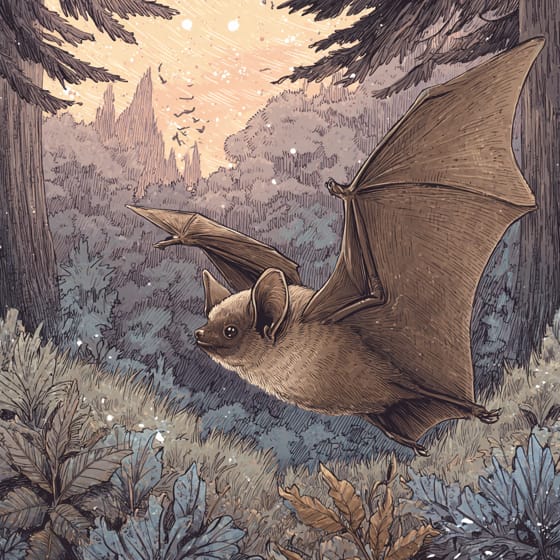
Myotis lucifugus
A nocturnal predator of moths.
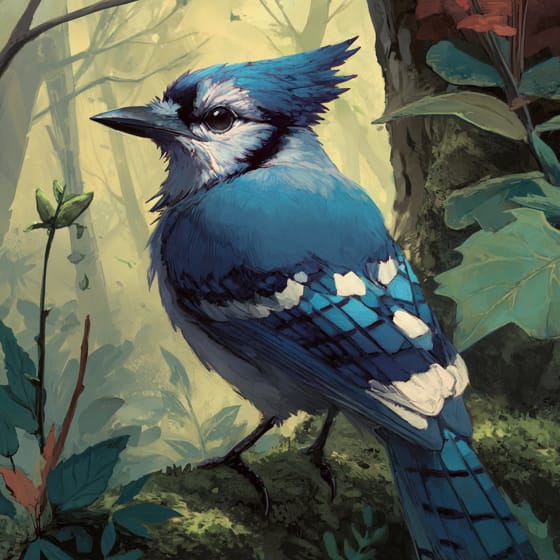
Cyanocitta cristata
Birds often prey on moths.
Feathered describes animals, primarily birds, possessing a covering of feathers.
Solitary animals live alone for most of their lives, only interacting with others for mating or parental care.
This trait characterizes organisms whose diet consists entirely or primarily of plant material.
Diurnal animals are primarily active during daylight hours, typically resting or sleeping at night.

This habitat trait indicates species that can coexist with humans in urban and suburban environments, utilizing man-made structures and green spaces.

Describes organisms that transfer pollen, enabling the fertilization and reproduction of plants.
No aliases listed yet.
Danger
1/5 · Very low
Moths are gentle creatures, but it's best to watch them from a distance.
The easiest way to identify Plain Plume Moth is to use the Snappit nature identifier app.
18-27 mm
10-12 mm
10-20 days
8 km/h
Larvae munch on plant stems and leaves, while adults may sip nectar for energy.
Urban areas
Foraging
Zoom in to split clusters and explore where this object has been snapped.
Recent snaps will appear here as new observations are added.
Take the discovery with you
Snap it with Snappit to identify it, learn what makes it special, and add the discovery to your collection.








.jpg&width=800)




