.JPG&width=800)





Plebejus
plebejus
The Plebejus butterfly is a colorful insect that flits around in sunny meadows. Kids will love watching it dance from flower to flower!
Habitat: Sunny meadows, gardens, and open fields.
The Plebejus is a small butterfly, often displaying shimmering blue wings in males, while females can be blue or brown. Their undersides frequently feature delicate patterns of black spots and vibrant orange or red bands along the margins, distinguishing them from plainer butterflies.
Category
InsectsRarity
Common
Danger
0/5 · No known danger
Snaps
Be the first to snap!
Even as tiny caterpillars, Plebejus have a special gland that produces sweet honeydew for ants!
Plebejus butterflies have taste receptors on their feet, tasting plants just by landing!
Some Plebejus caterpillars can vibrate their bodies, possibly to communicate with ants!
The brilliant blue color on male Plebejus wings isn't pigment; it's from light scattering!
Plebejus can 'talk' to ants, giving them sugary treats in exchange for protection from predators, an amazing partnership!
Plebejus has dark body scales that absorb sunlight, helping them quickly warm up for flight on cool mornings.
Plebejus larvae are often green or brown with cryptic patterns, helping them blend perfectly with host plants.
Adult Plebejus butterflies sip sweet nectar from flowers to get energy, while caterpillars munch on plants.
Age differences: Adults drink nectar, but caterpillars eat leaves of host plants.
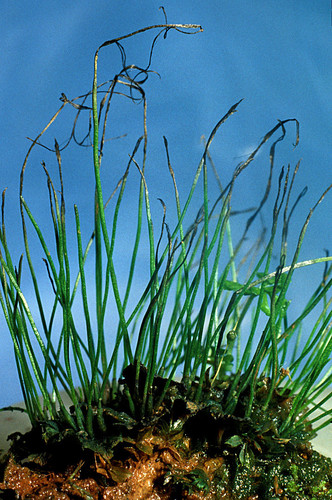
Lotus corniculatus
Caterpillars eat its leaves for food and shelter.
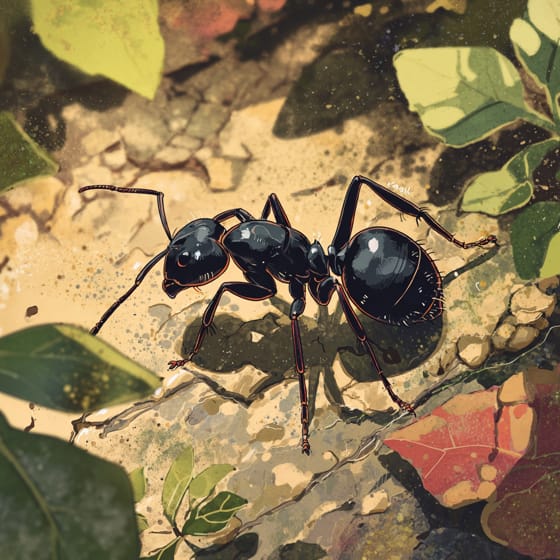
Lasius niger
Ants protect caterpillars in exchange for sugary honeydew.
%2C_Parc_de_Woluw%C3%A9%2C_Brussels_(13042792905).jpg&width=800)
Parus major
Adult butterflies and caterpillars can become a meal for birds.
Social animals live in organized groups, cooperating for survival benefits such as foraging, defense, and raising offspring.
Colorful describes organisms or objects displaying a wide range of bright and distinct colors.
Grassland habitats are terrestrial biomes dominated by grasses and herbaceous plants, supporting a variety of grazing animals.
Diurnal animals are primarily active during daylight hours, typically resting or sleeping at night.

Describes organisms that transfer pollen, enabling the fertilization and reproduction of plants.
Danger
0/5 · No known danger
No special safety notes yet.
The easiest way to identify Plebejus is to use the Snappit nature identifier app.
20-40 mm
10-20 mm
10-25 days
15 km/h
Adult Plebejus butterflies sip sweet nectar from flowers to get energy, while caterpillars munch on plants.
Sunny meadows, gardens, and open fields.
Foraging
Zoom in to split clusters and explore where this object has been snapped.
Recent snaps will appear here as new observations are added.
Take the discovery with you
Snap it with Snappit to identify it, learn what makes it special, and add the discovery to your collection.







.jpg&width=800)



