.jpg&width=800)





polypody ferns
Polypodium
Polypody ferns are lovely green plants that grow in shady places. They have long, feathery leaves that look like little fans, making them fun to touch and see!
Habitat: Forests
The polypody ferns has deeply lobed, leathery fronds that are typically a vibrant green, though they can sometimes appear blue-green. Its distinctive oval or circular spore cases, called sori, are clustered on the underside of its fronds, starting yellowish and maturing to orange or brown.
Category
PlantsRarity
Common
Danger
1/5 · Very low
Snaps
Be the first to snap!
Each polypody frond can release millions of microscopic spores to grow new ferns!
Polypody means "many feet" because its creeping roots spread like little feet!
Some polypody roots taste like licorice, making them a unique forest snack!
These ancient plants have been around since the time of dinosaurs! Wow!
Polypody ferns can grow on rocks and tree bark using tough, creeping rhizomes that grip tightly, helping it find damp spots in unusual places.
Polypody ferns has fronds that can curl up and appear to dry out during long dry spells, then unfurl when moisture returns, helping it survive harsh conditions.
Polypody ferns uses tiny spores, released from special cases on its fronds, to travel far and wide on the wind, allowing it to spread its family.

Arion ater
Slugs munch on polypody fronds.
Helix aspersa
Snails sometimes nibble on its leaves.
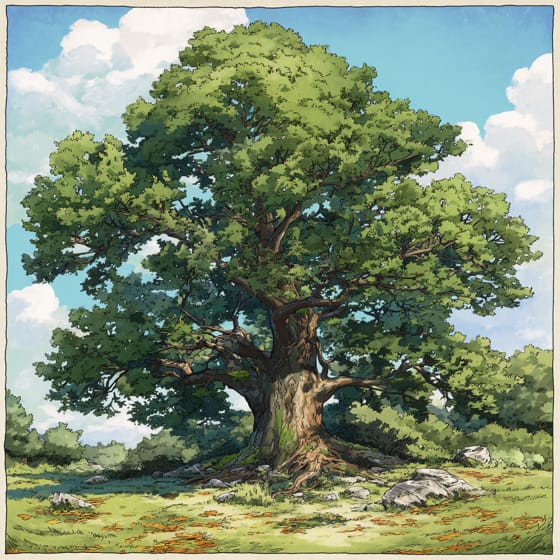
Quercus robur
Often grows epiphytically on the bark of mature oaks.
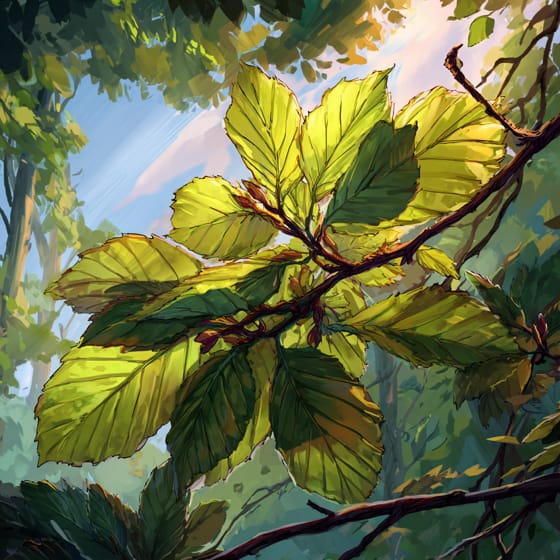
Fagus sylvatica
Also commonly found growing on beech tree trunks.
Shade tolerant plants are adapted to grow and thrive in areas with low light levels, requiring less direct sunlight.
Evergreen plants retain their foliage throughout the year, never shedding all their leaves at once.
Spore-producing organisms reproduce by releasing small, often single-celled, reproductive units called spores.
Describes organisms that break down dead organic material, recycling nutrients back into the ecosystem.

Forest habitats are terrestrial environments dominated by dense tree cover, supporting a high diversity of plant and animal life.

This trait characterizes organisms with an exceptionally long lifespan compared to others of their kind.
No aliases listed yet.
Danger
1/5 · Very low
Always be gentle when touching plants, and wash your hands after exploring.
The easiest way to identify polypody ferns is to use the Snappit nature identifier app.
10-50 cm
10-40 cm
Yes
None
Perennial
Forests
Zoom in to split clusters and explore where this object has been snapped.
Recent snaps will appear here as new observations are added.
Take the discovery with you
Snap it with Snappit to identify it, learn what makes it special, and add the discovery to your collection.








.jpg&width=800)



_001.jpg&width=800)

