





Southern Blue Flag
iris virginica
The Southern Blue Flag is a beautiful flower that has bright blue petals and grows near water. Children will love to spot these colorful flowers in wetlands and gardens!
Habitat: Wetlands, marshes, and the edges of ponds.
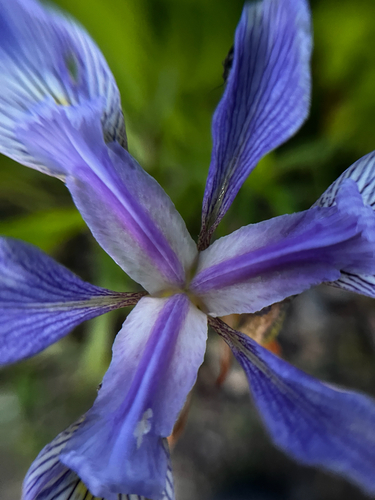
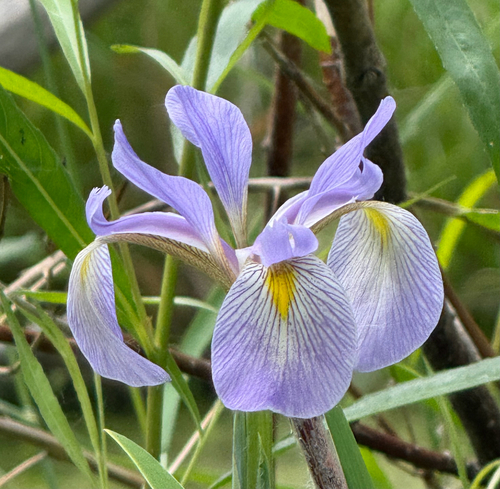
The Southern Blue Flag has striking blue-violet flowers, each with intricate yellow and white markings on its lower petals, resembling a landing strip for pollinators. Its upright, sword-like green leaves form dense clumps, making it distinct in wetland environments.
Category
PlantsRarity
Common
Danger
0/5 · No known danger
Snaps
16
Indigenous peoples once used parts of this iris for traditional medicines!
Its name 'Iris' comes from the Greek word for rainbow, like its many colors!
Some types of iris can actually live for over 50 years!
This plant's seeds can float far away on water to start new plants!
Southern Blue Flag can thrive in consistently wet soil or shallow water, allowing it to colonize marshy areas.
Its thick, creeping rhizomes help Southern Blue Flag spread widely and anchor itself firmly in loose, wet soil.
The distinctive yellow and white markings on its petals guide insects directly to the pollen and nectar.
Bombus impatiens
Gathers nectar and pollen

Papilio troilus
Feeds on nectar, helping reproduction
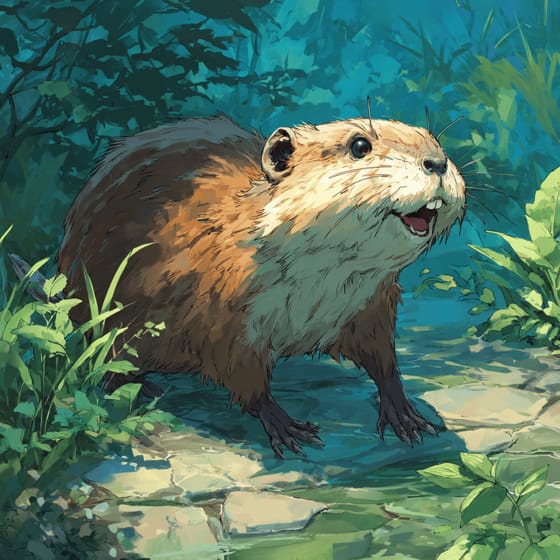
Ondatra zibethicus
Sometimes consumes rhizomes and leaves
Anas platyrhynchos
Uses dense growth for cover and nesting
Colorful describes organisms or objects displaying a wide range of bright and distinct colors.
This trait characterizes organisms whose diet consists entirely or primarily of plant material.
Aquatic habitats encompass environments where organisms live predominantly in water, including oceans, rivers, lakes, and wetlands.
Describes organisms that transfer pollen, enabling the fertilization and reproduction of plants.

Endangered status indicates a species is at a very high risk of extinction in the wild in the near future.
Danger
0/5 · No known danger
No special safety notes yet.
The easiest way to identify Southern Blue Flag is to use the Snappit nature identifier app.
60-90 cm
30-60 cm
7-10 cm
Late_spring_to_early_summer
No
Mild
Perennial
Zoom in to split clusters and explore where this object has been snapped.
Jun 6, 2026
Bascom HillPhoto attribution
(c) Mason Holum, some rights reserved (CC BY)
License: CC BY 4.0 ↗
Image may be shown cropped inside the card frame.
Jun 5, 2026
SEA LIFE Minnesota AquariumPhoto attribution
no rights reserved
License: CC0 1.0 ↗
Image may be shown cropped inside the card frame.

South Carolina, US
You might spot American Alligator, Anole, and Great Blue Heron.
View guide →

Michigan, US
You might spot Monarch, Canada Goose, and Eastern Gray Squirrel.
View guide →

Michigan, US
You might spot Monarch, Canada Goose, and Eastern Gray Squirrel.
View guide →

Michigan, US
You might spot Monarch, Canada Goose, and Eastern Gray Squirrel.
View guide →

Michigan, US
You might spot Monarch, Canada Goose, and Eastern Gray Squirrel.
View guide →

Michigan, US
You might spot Monarch, Canada Goose, and Eastern Gray Squirrel.
View guide →
Take the discovery with you
Snap it with Snappit to identify it, learn what makes it special, and add the discovery to your collection.









.jpg&width=800)



_001.jpg&width=800)




