





Porterweeds
stachytarpheta
Porterweeds are vibrant flowers that attract butterflies and bees! They can grow tall and have beautiful purple blooms that make them fun to spot in gardens.
Habitat: Porterweeds grow in gardens, fields, and along roadsides in warm areas.
The Porterweeds has slender, often upright spikes adorned with many small, vibrant blue or purple flowers that open a few at a time. Its leaves are typically green, sometimes with a slightly toothed edge, forming a bushy plant.
Category
PlantsRarity
Common
Danger
0/5 · No known danger
Snaps
Be the first to snap!
Butterflies are absolutely crazy for its nectar, making it a favorite garden snack stop!
Each small flower typically blooms for just one day, then a new one appears!
Some species are known as 'Brazilian Tea' due to their energizing traditional uses!
The unique name 'Porterweed' is said to come from its traditional use as a fortifying drink!
Porterweeds can bloom nearly year-round in warm areas, helping it always attract pollinators and produce seeds for reproduction.
Porterweeds has compounds that traditionally aid digestion and reduce fever, helping humans feel better when sick.
Porterweeds can withstand dry conditions, helping it survive in places where water is scarce.
Porterweeds produces abundant nectar, helping it draw in many different pollinators like butterflies and bees for successful reproduction.
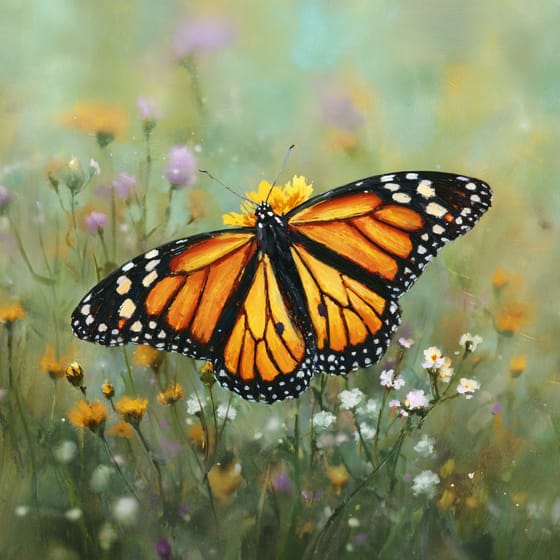
Danaus plexippus
Sips nectar, aiding plant reproduction.
Apis mellifera
Collects nectar and pollen.
Bombus impatiens
Gathers nectar and pollen efficiently.
Herbaceous plants are non-woody plants with soft stems that typically die back to the ground at the end of the growing season.
Colorful describes organisms or objects displaying a wide range of bright and distinct colors.
Describes organisms that transfer pollen, enabling the fertilization and reproduction of plants.
Danger
0/5 · No known danger
No special safety notes yet.
The easiest way to identify Porterweeds is to use the Snappit nature identifier app.
30-150 cm
30-100 cm
0.5-1.5 cm
Year-round tropical
No
None
Perennial
Zoom in to split clusters and explore where this object has been snapped.
Recent snaps will appear here as new observations are added.
Take the discovery with you
Snap it with Snappit to identify it, learn what makes it special, and add the discovery to your collection.









.jpg&width=800)



_001.jpg&width=800)




