Portly Spider Crab
libinia emarginata
The Portly Spider Crab is a large, friendly crab that loves to scuttle around the ocean floor. Its unique shape and colorful shell make it a fun creature to discover during beach walks!
Habitat: Coastal waters and sandy ocean floors
The Portly Spider Crab has a triangular, spiky, pear-shaped carapace that is often covered in attached marine organisms. Its dull brown-green body blends with the seafloor, and it possesses ten long, slender, pointed legs.
Category
InvertebrateRarity
Common
Danger
1/5 · Very low
Snaps
6
A group of these ocean crabs is sometimes called a "cast"!
Its spiky shell helps grip plants for awesome camouflage!
Spider crabs love a good feast of tiny dead animals!
They taste with tiny hairs found on their legs and claws!
Portly Spider Crab can attach seaweed and sponges to its shell, creating excellent camouflage from predators.
Portly Spider Crab can re-grow lost legs or claws, which helps it recover from injuries or predator attacks.
Portly Spider Crab uses its strong, pointed legs to dig into soft sediments, helping it find food and hide.
This crab munches on tiny plants and bits of dead stuff it finds on the ocean floor.
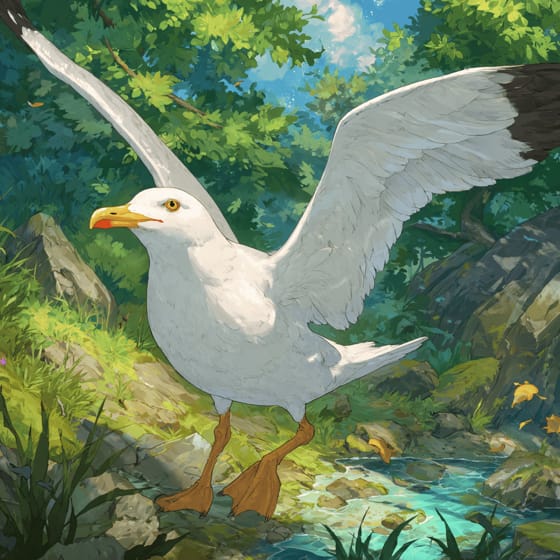
Larus argentatus
A common seabird that preys on crabs in shallow waters.
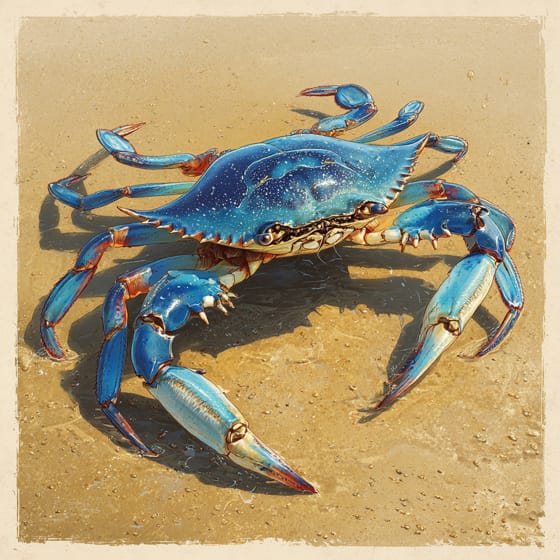
Callinectes sapidus
Larger blue crabs may prey on smaller spider crabs.
Ulva lactuca
This crab often grazes on green algae like sea lettuce.

Mytilus edulis
Feeds on small mussels and other invertebrates.
Social animals live in organized groups, cooperating for survival benefits such as foraging, defense, and raising offspring.
Colorful describes organisms or objects displaying a wide range of bright and distinct colors.
This trait identifies organisms whose diet consists entirely or primarily of animal tissue.
Aquatic habitats encompass environments where organisms live predominantly in water, including oceans, rivers, lakes, and wetlands.

Marine habitats encompass all saltwater environments of the Earth's oceans, supporting an immense diversity of aquatic life.
Danger
1/5 · Very low
Be careful near the water and always ask an adult for help!
The easiest way to identify Portly Spider Crab is to use the Snappit nature identifier app.
2-5 years
This crab munches on tiny plants and bits of dead stuff it finds on the ocean floor.
Coastal waters and sandy ocean floors
Foraging
10
Max 15 cm
Up to 50 cm
Zoom in to split clusters and explore where this object has been snapped.

Rhode Island, US
You might spot Rugosa Rose and American Herring Gull.
View guide →

US
You might spot Common Eider, American Herring Gull, and Common Periwinkle.
View guide →

US
You might spot Rugosa Rose and American Herring Gull.
View guide →

Connecticut, US
You might spot Osprey, Monarch, and Common Reed.
View guide →

US
You might spot Common Eider and American Herring Gull.
View guide →

Massachusetts, US
You might spot White-Tailed Deer, Skunk, and Eastern Cottontail.
View guide →
Take the discovery with you
Snap it with Snappit to identify it, learn what makes it special, and add the discovery to your collection.