_-_Flickr_-_2ndPeter.jpg&width=800)





Prairie Kingsnake
Lampropeltis calligaster
The Prairie Kingsnake is a friendly snake that loves to explore grasslands. It has beautiful patterns that help it blend in with its surroundings, making it a great little hunter!
Habitat: Grasslands
The Prairie Kingsnake is a medium-sized snake with a slender body, featuring a tan or light brown base color. It has distinctive dark brown or reddish-brown blotches, often H-shaped, down its back. Its smooth scales and pointed head give it a sleek appearance.
Category
ReptilesRarity
Common
Danger
1/5 · Very low
Snaps
2
Prairie Kingsnakes are excellent burrowers, often hiding under logs or rocks.
These harmless snakes are often confused with venomous rattlesnakes by mistake.
They are called "Kingsnakes" because they eat other snakes, even venomous ones!
When threatened, they might shake their tail rapidly to sound like a rattlesnake!
Prairie Kingsnake can constrict its prey because it has powerful body muscles that help them capture and overpower their meals.
Prairie Kingsnake can burrow because of its streamlined body and smooth scales that help them dig into soft soil for shelter.
Prairie Kingsnake has a tail-rattling behavior that helps them scare away predators by mimicking venomous rattlesnakes.
These kingsnakes are mighty hunters, eating rodents, lizards, and even other snakes!
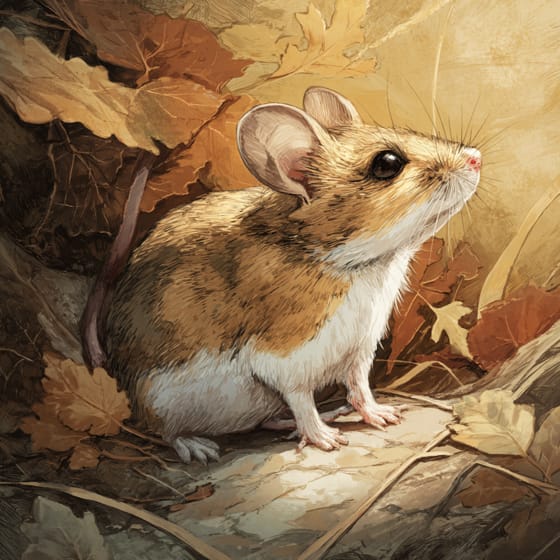
Peromyscus maniculatus
A primary small mammal prey item in its habitat.
Microtus pennsylvanicus
Commonly consumed rodent, helping control their populations.
Thamnophis sirtalis
One of several snake species that Prairie Kingsnakes prey on.
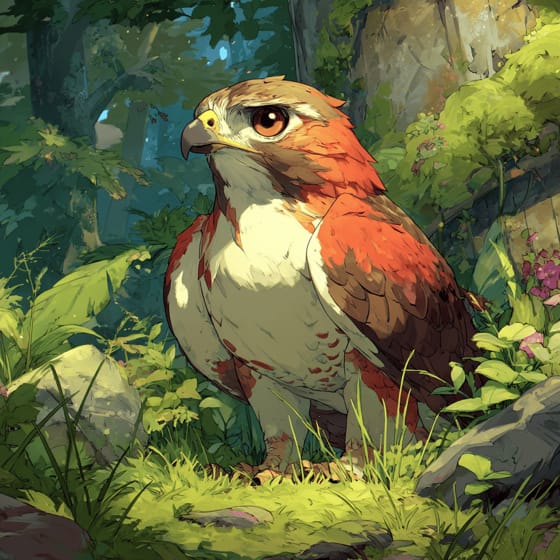
Buteo jamaicensis
Young or smaller kingsnakes can fall prey to raptors.
Marked with spots or patches of a different color.
Marked with parallel bands or lines of color.
Solitary animals live alone for most of their lives, only interacting with others for mating or parental care.
Camouflaged describes organisms that possess coloring or patterns that allow them to blend into their environment.

Colorful describes organisms or objects displaying a wide range of bright and distinct colors.

Grassland habitats are terrestrial biomes dominated by grasses and herbaceous plants, supporting a variety of grazing animals.

This trait identifies organisms whose diet consists entirely or primarily of animal tissue.

Diurnal animals are primarily active during daylight hours, typically resting or sleeping at night.
No aliases listed yet.
Danger
1/5 · Very low
If you see a snake, it's best to watch from a distance and not touch it.
The easiest way to identify Prairie Kingsnake is to use the Snappit nature identifier app.
76-122 cm
0.2-0.5 kg
10-15 years
5 km/h
These kingsnakes are mighty hunters, eating rodents, lizards, and even other snakes!
Grasslands
Ambush
Zoom in to split clusters and explore where this object has been snapped.

Missouri, US
You might spot Blackjack Oak, Bird's Foot Violet, and Starry Campion.
View guide →

Illinois, US
You might spot Cassin's 13-Year Cicada, Duck, and White-Tailed Deer.
View guide →

Illinois, US
You might spot African Penguin, Wolverine, and Black Bear.
View guide →
Take the discovery with you
Snap it with Snappit to identify it, learn what makes it special, and add the discovery to your collection.












