.jpg&width=800)





Proboscis Bat
Rhynchonycteris naso
The Proboscis Bat is a small bat with a long nose and big ears. They love to live in tropical forests and are great at catching insects in the air!
Habitat: Tropical forests
The Proboscis Bat is a tiny bat with soft, greyish-brown fur and a unique, pointed, upturned snout, giving it its name. It also has distinctive tufts of fur on its wrists and forearms, setting it apart from other small bats.
Category
MammalsRarity
Common
Danger
2/5 · Low
Snaps
Be the first to snap!
Baby Proboscis Bats are born fully furred with open eyes, ready to cling tightly.
Proboscis Bats often shiver their wings really fast to warm up before they take flight.
These tiny bats often roost in a neat line on tree trunks, looking like bark knots!
They love to hunt near water, gracefully zipping just above the surface for bugs.
Proboscis Bats have special wrist tufts that release scents to help them communicate and mark territories with other bats.
Proboscis Bats can blend perfectly with tree bark because of their patchy fur pattern, making them nearly invisible to predators.
Proboscis Bats can "see" in the dark using echolocation, sending out sounds to find bugs and avoid obstacles.
These tiny bats are expert hunters, feasting mainly on small flying insects found near water.
Culex pipiens
Hunts flying insects, including mosquitoes, near water sources.
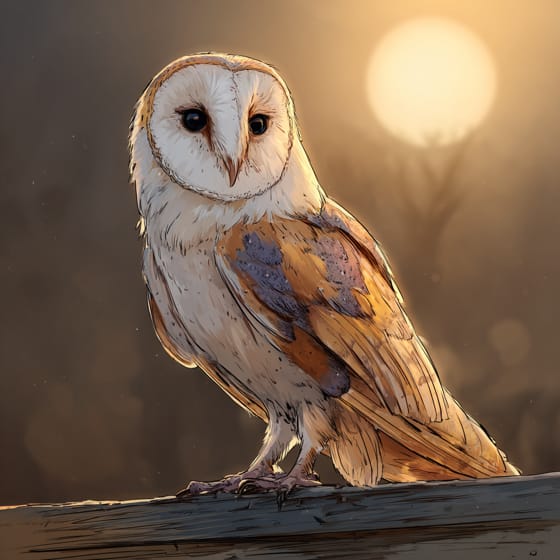
Tyto alba
Owls might catch bats at night when they are active.
Ficus insipida
Roosts on tree trunks, blending in with the bark during the day.
Furry describes animals possessing a dense covering of soft hair or fur.
Social animals live in organized groups, cooperating for survival benefits such as foraging, defense, and raising offspring.
This trait identifies organisms whose diet primarily consists of insects and other small invertebrates.
Echolocation is a biological sonar used by animals to navigate, hunt, and communicate by emitting sound waves and interpreting the echoes.

Forest habitats are terrestrial environments dominated by dense tree cover, supporting a high diversity of plant and animal life.

This habitat trait refers to species found in tropical rainforests, characterized by high annual rainfall, high biodiversity, and dense tree cover.

This trait identifies organisms that exhibit exceptional swiftness in movement for hunting, escape, or travel.

Nocturnal animals are primarily active during the nighttime hours, typically resting or sleeping during the day.

Describes organisms that transfer pollen, enabling the fertilization and reproduction of plants.

Endangered status indicates a species is at a very high risk of extinction in the wild in the near future.
Danger
2/5 · Low
Bats are wild animals and should be observed from a distance. Never try to touch or catch one.
The easiest way to identify Proboscis Bat is to use the Snappit nature identifier app.
3.6-5 cm
20-25 cm
0.003-0.005 kg
3-5 years
25 km/h
These tiny bats are expert hunters, feasting mainly on small flying insects found near water.
Tropical forests
Zoom in to split clusters and explore where this object has been snapped.
Recent snaps will appear here as new observations are added.
Take the discovery with you
Snap it with Snappit to identify it, learn what makes it special, and add the discovery to your collection.




.jpg&width=800)


.JPG&width=800)



.jpg&width=800)
