.jpg&width=800)





Prunus Miner Bee
Andrena prunorum
The Prunus Miner Bee is a small, friendly bee that loves to visit flowers. They are great pollinators and help plants grow by spreading pollen from one flower to another.
Habitat: Urban areas, Gardens
The Prunus Miner Bee is a medium-sized bee, covered in dense, light brown to reddish-brown fuzz on its thorax and a black abdomen. It has prominent yellow-orange hairs on its hind legs for carrying pollen, and a slightly iridescent sheen on its wings distinguishing it from common house flies.
Category
InsectsRarity
Common
Danger
1/5 · Very low
Snaps
1
Did you know Prunus Miner Bees don't make honey like honeybees do?
Look closely for their sparkly, golden fuzz on their hind legs!
They are called "miner bees" because they dig their own tunnels!
Wow, these amazing bees build tiny apartment-like homes underground for their babies!
Prunus Miner Bee can dig intricate underground tunnels because of its strong front legs that help them create safe nurseries for their young.
Prunus Miner Bee has special fuzzy hairs called scopa on its hind legs that help them collect and transport large amounts of pollen.
Prunus Miner Bee can efficiently pollinate early-blooming fruit trees because of its activity during the precise flowering window.
Prunus Miner Bee has a very calm temperament that helps them safely visit flowers without being aggressive, rarely stinging.
This bee sips nectar for energy and collects pollen to feed its growing babies underground.
Age differences: Larvae consume pollen provisions left by the mother, while adult bees feed on nectar and pollen.
Prunus domestica
Vital for fruit production of this tree.
Prunus avium
Helps fertilize flowers of wild cherry.
Nomada succincta
Lays eggs in the nests of Prunus Miner Bees.
%2C_Parc_de_Woluw%C3%A9%2C_Brussels_(13042792905).jpg&width=800)
Parus major
Birds may prey on adult bees in flight.
Furry describes animals possessing a dense covering of soft hair or fur.
Social animals live in organized groups, cooperating for survival benefits such as foraging, defense, and raising offspring.
This trait characterizes organisms whose diet consists entirely or primarily of plant material.
Describes plants that are particularly attractive and beneficial to a wide range of pollinating organisms.

Diurnal animals are primarily active during daylight hours, typically resting or sleeping at night.

Describes a species whose presence and role have a disproportionately large effect on its environment.

This habitat trait indicates species that can coexist with humans in urban and suburban environments, utilizing man-made structures and green spaces.

Describes organisms that transfer pollen, enabling the fertilization and reproduction of plants.
No aliases listed yet.
Danger
1/5 · Very low
These bees are friendly, but it's best to watch them from a distance.
The easiest way to identify Prunus Miner Bee is to use the Snappit nature identifier app.
12-18 mm
8-12 mm
20-40 days
20 km/h
This bee sips nectar for energy and collects pollen to feed its growing babies underground.
Urban areas, Gardens
Foraging
Zoom in to split clusters and explore where this object has been snapped.

Washington, US
You might spot Great Blue Heron, Aggregating Anemone, and Ochre Sea Star.
View guide →
South Dakota, US
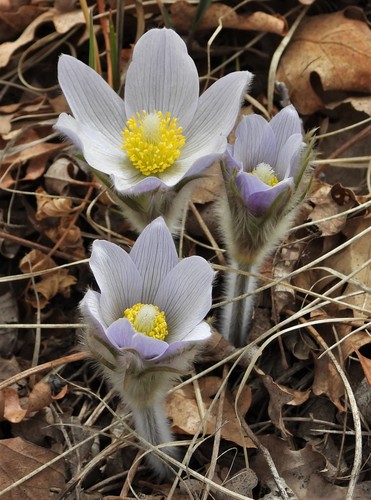
You might spot Prairie Pasqueflower and Common Buckthorn.
View guide →

Washington, US
You might spot California Bumble Bee and Yellow-Faced Bumble Bee.
View guide →

British Columbia, CA
You might spot Vine Maple, Orange Honeysuckle, and Licorice Fern.
View guide →
Take the discovery with you
Snap it with Snappit to identify it, learn what makes it special, and add the discovery to your collection.






.jpg&width=800)



