





Cicada Killer Wasp
Sphecius speciosus
Cicada Killer Wasps are large wasps that hunt cicadas. They are impressive and can be found in summer!
Habitat: Open fields and gardens
The Cicada Killer Wasp is a large, robust insect, typically black with bright yellow bands across its abdomen. It has distinctive reddish-brown, translucent wings and a hairy, yellowish head. Its substantial size and vivid markings help distinguish it from smaller, more common wasps.
Category
InsectsRarity
Common
Danger
3/5 · Moderate
Snaps
Be the first to snap!
A female can fly carrying a paralyzed cicada heavier than herself!
Each baby wasp wakes up to a fresh, ready-to-eat cicada meal underground!
Males don't have a stinger at all, they're completely harmless to humans!
They can dig a burrow up to 2 feet deep in just an hour!
Cicada Killer Wasps can inject venom that paralyzes cicadas, helping them secure large prey for their offspring.
Cicada Killer Wasps have strong legs and mandibles for digging deep underground burrows, creating safe nurseries.
Cicada Killer Wasps can fly while carrying a paralyzed cicada, often much heavier than their own body.
These big wasps hunt and eat cicadas, feeding them to their babies underground.
Age differences: Larvae feed exclusively on paralyzed cicadas; adults consume nectar and tree sap for energy.
Neotibicen pruinosus
Main food source for larvae
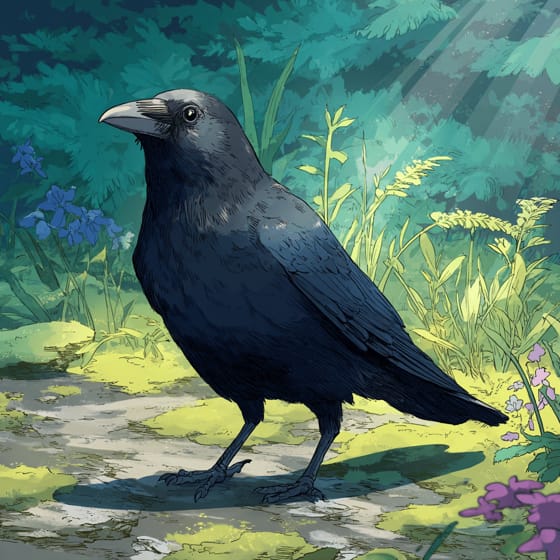
Corvus brachyrhynchos
Adult wasps are prey
Didelphis virginiana
Can raid nests for larvae
Daucus carota
Adults sip nectar for energy
Wildlife encompasses all undomesticated animal and plant life existing in their natural habitats.
Solitary animals live alone for most of their lives, only interacting with others for mating or parental care.
Grassland habitats are terrestrial biomes dominated by grasses and herbaceous plants, supporting a variety of grazing animals.
This trait identifies organisms whose diet consists entirely or primarily of animal tissue.

Describes a species whose presence and role have a disproportionately large effect on its environment.

Venomous organisms produce toxins that are injected into another animal, typically through a bite or sting.
Danger
3/5 · Moderate
Do not touch or pick up. Some insects sting or bite. Ask an adult for help.
The easiest way to identify Cicada Killer Wasp is to use the Snappit nature identifier app.
40-70 mm
20-50 mm
30-60 days
These big wasps hunt and eat cicadas, feeding them to their babies underground.
Open fields and gardens
Pursuit
6
Zoom in to split clusters and explore where this object has been snapped.
Recent snaps will appear here as new observations are added.

Iowa, US
You might spot Monarch and American White Pelican.
View guide →

Alabama, US
You might spot Red Buckeye, Gray Ratsnake, and Sycamore Tussock Moth.
View guide →

Minnesota, US
You might spot Red-Tailed Hawk, Canada Goose, and Western Meadowlark.
View guide →

Pennsylvania, US
You might spot Eastern Cicada-Killer Wasp and Red Deadnettle.
View guide →
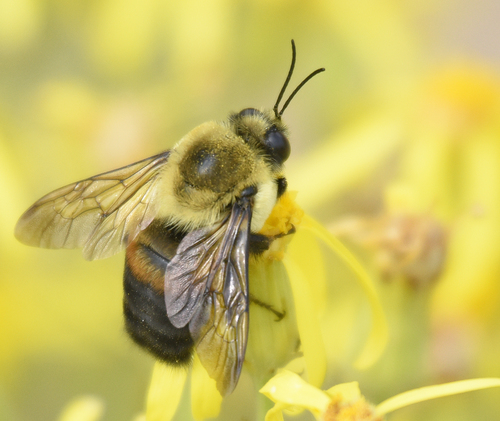
New York, US
You might spot Brown-Belted Bumble Bee and Eastern Gray Squirrel.
View guide →
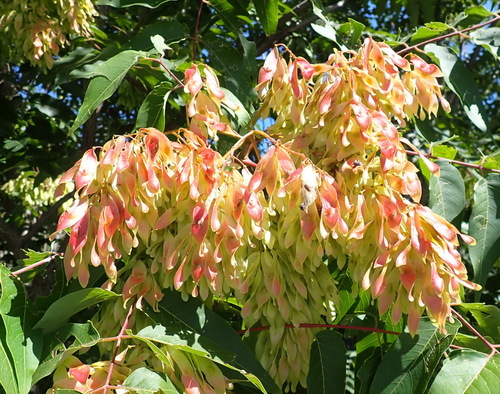
New York, US
You might spot Tree-Of-Heaven, Spotted Lanternfly, and Rock Pigeon.
View guide →
Take the discovery with you
Snap it with Snappit to identify it, learn what makes it special, and add the discovery to your collection.








.jpg&width=800)



