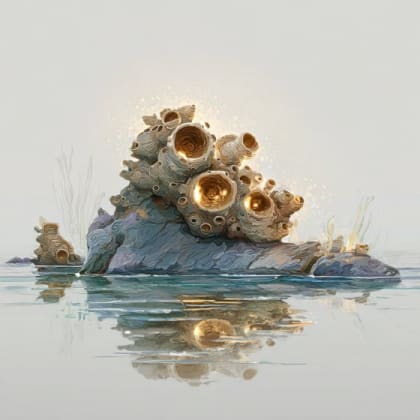
Purple Mahogany Clam
nuttallia obscurata
The Purple Mahogany Clam is a special kind of clam that has a beautiful purple shell! It loves to live in sandy ocean floors where it can dig and hide.
Habitat: Sandy ocean floors in coastal waters
The Purple Mahogany Clam has a smooth, oval shell that is a dull brownish-purple or mahogany color on the outside. Its most striking feature is the vibrant purple color on the inside of its shell, especially towards the hinge, making it visually distinct.
Category
InvertebrateRarity
Common
Danger
0/5 · No known danger
Snaps
Be the first to snap!
It can squirt out jets of water if you disturb its comfy burrow!
It uses two tubes, called siphons, to breathe and eat without moving!
Purple Mahogany Clams sometimes hitchhike across oceans by clinging to boats!
This clam can grow "rings" on its shell, telling its age, just like a tree!
Purple Mahogany Clam can filter huge amounts of water because of its siphons that help them gather tiny food particles.
Purple Mahogany Clam can rapidly burrow into sand and mud using its strong muscular foot that helps them escape predators quickly.
Purple Mahogany Clam has a thick, tough shell that helps them stay safe from hungry predators and strong ocean currents.
This clam filters tiny particles like algae and plant bits from the water for its food.
Pisaster ochraceus
Major predator on clams.
Cancer productus
Crushes shells to eat.

Haematopus bachmani
Pries open clam shells.
Social animals live in organized groups, cooperating for survival benefits such as foraging, defense, and raising offspring.
Colorful describes organisms or objects displaying a wide range of bright and distinct colors.
Filter feeders obtain nutrients by straining suspended food particles and small organisms from water.
Aquatic habitats encompass environments where organisms live predominantly in water, including oceans, rivers, lakes, and wetlands.

Marine habitats encompass all saltwater environments of the Earth's oceans, supporting an immense diversity of aquatic life.
Danger
0/5 · No known danger
No special safety notes yet.
The easiest way to identify Purple Mahogany Clam is to use the Snappit nature identifier app.
12 years
This clam filters tiny particles like algae and plant bits from the water for its food.
Sandy ocean floors in coastal waters
Filter Feeding
0-10
5 cm
8 cm
Zoom in to split clusters and explore where this object has been snapped.
Recent snaps will appear here as new observations are added.
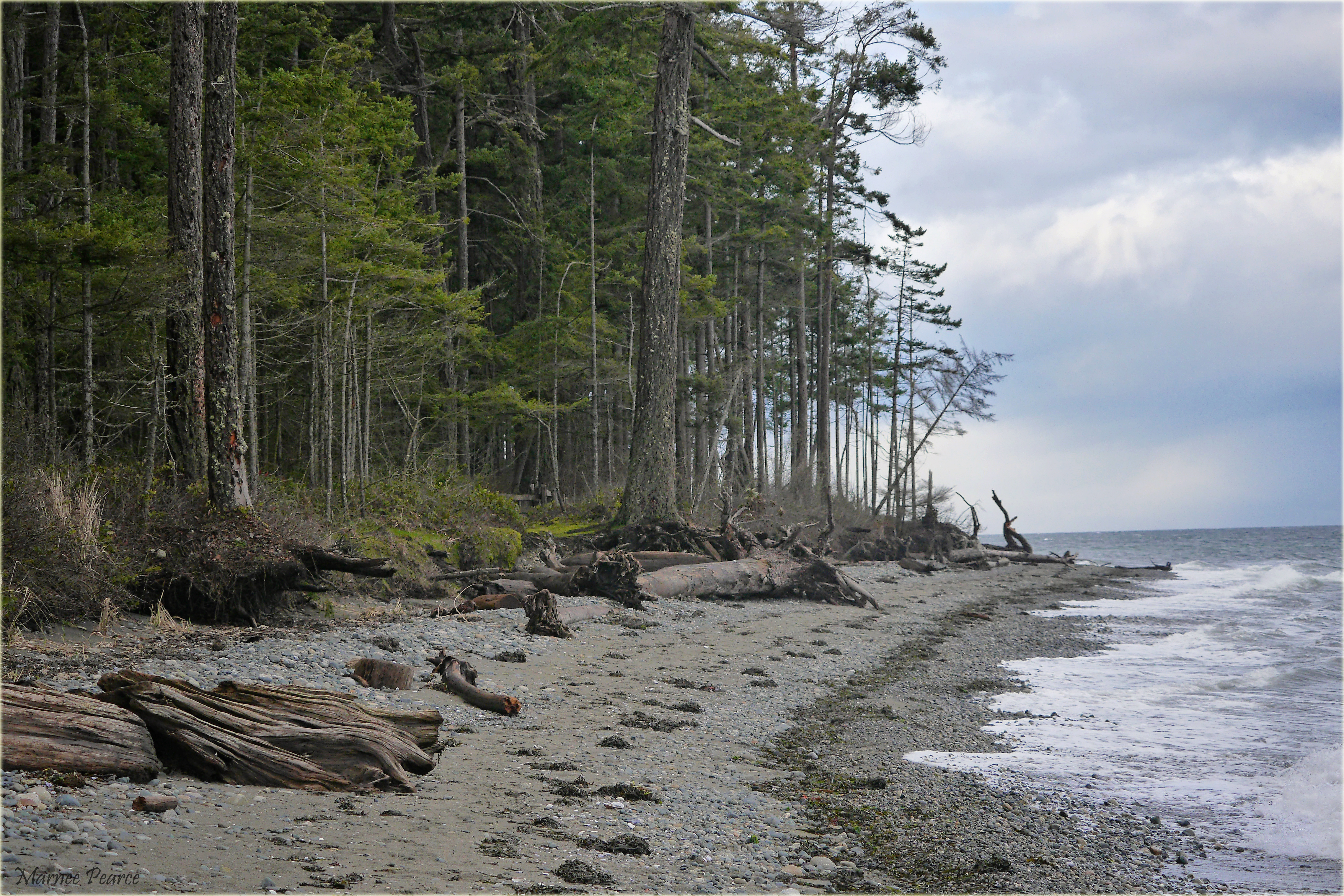
British Columbia, CA
You might spot European Rabbit, Yellow Shore Crab, and Nootka Rose.
View guide →
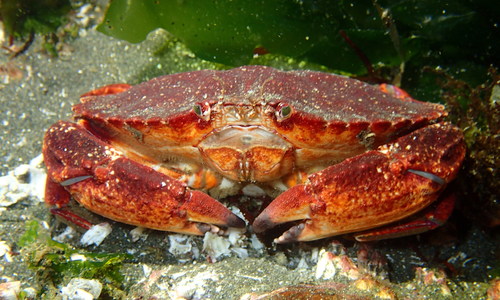
British Columbia, CA
You might spot Red Rock Crab, Dungeness Crab, and Salal.
View guide →
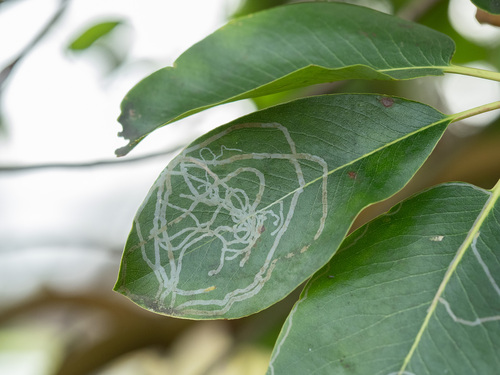
Washington, US
You might spot Madrone Skin Miner, Pacific Madrone, and Western Redcedar.
View guide →
Take the discovery with you
Snap it with Snappit to identify it, learn what makes it special, and add the discovery to your collection.