





Pyrobombus
Pyrobombus
The Pyrobombus is a colorful insect known for its bright patterns and buzzing sounds. It loves to fly around flowers, helping them grow by spreading pollen.
Habitat: Gardens
The Pyrobombus is a fuzzy bumblebee often recognized by its distinct coloration, typically featuring black and yellow stripes, but with striking orange or reddish bands on its abdomen. Its dense, soft hair covers its body, making it appear robust and round, unlike sleek wasps.
Category
InsectsRarity
Common
Danger
1/5 · Very low
Snaps
2
A queen Pyrobombus starts her whole colony alone, raising her first workers all by herself!
Pyrobombus larvae are fed a nutritious mix of pollen and nectar by their worker bee sisters.
Some Pyrobombus species have extra-long tongues, helping them reach nectar deep inside flowers!
These fuzzy bees can shiver to warm up their flight muscles, even on chilly mornings!
Pyrobombus can vibrate its flight muscles to release pollen (buzz pollination) that helps certain flowers make seeds.
Pyrobombus has thick fur that helps them stay warm, allowing them to fly in cooler weather than many other insects.
Pyrobombus has special hairs on its back legs called corbiculae that help them carry large loads of pollen back to the nest.
Pyrobombus builds nests underground or on the surface, creating a home for their growing family of worker bees.
They sip sweet nectar for energy and gather protein-rich pollen to feed their colony.

Trifolium pratense
Key pollinator for this important agricultural crop.
Vaccinium corymbosum
Essential for fruit production of this popular berry.
Lanius excubitor
Birds sometimes prey on foraging bees.
Bombylius major
Larvae of this fly can develop in bumblebee nests.
Furry describes animals possessing a dense covering of soft hair or fur.
Social animals live in organized groups, cooperating for survival benefits such as foraging, defense, and raising offspring.
Colorful describes organisms or objects displaying a wide range of bright and distinct colors.
This trait characterizes organisms whose diet consists entirely or primarily of plant material.

Describes plants that are particularly attractive and beneficial to a wide range of pollinating organisms.

Diurnal animals are primarily active during daylight hours, typically resting or sleeping at night.

This trait identifies organisms that exhibit exceptional swiftness in movement for hunting, escape, or travel.

This habitat trait indicates species that can coexist with humans in urban and suburban environments, utilizing man-made structures and green spaces.

Describes organisms that transfer pollen, enabling the fertilization and reproduction of plants.
No aliases listed yet.
Danger
1/5 · Very low
Be gentle and watch from a distance; they are busy working!
The easiest way to identify Pyrobombus is to use the Snappit nature identifier app.
20-45 mm
10-25 mm
25-365 days
15-20 km/h
They sip sweet nectar for energy and gather protein-rich pollen to feed their colony.
Gardens
Foraging
Zoom in to split clusters and explore where this object has been snapped.
British Columbia, CA
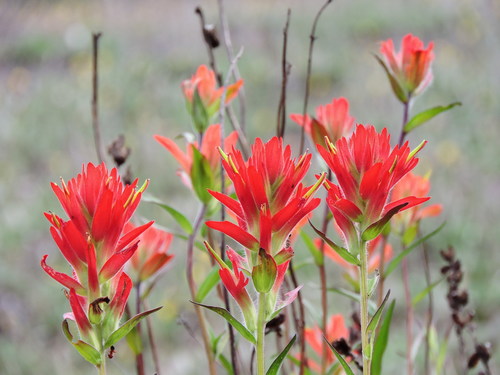
You might spot Giant Red Paintbrush, Lupines, and Broadleaf Arnica.
View guide →

Washington, US
You might spot Tiger, Walrus, and Polar Bear.
View guide →

US
You might spot Tricolored Bumble Bee and Half-Black Bumble Bee.
View guide →
Take the discovery with you
Snap it with Snappit to identify it, learn what makes it special, and add the discovery to your collection.






.jpg&width=800)



