





Queensnake
Regina septemvittata
The Queensnake is a slender, beautiful snake that loves to swim! It has shiny scales and is often found near water. These snakes are great at catching fish and are very friendly.
Habitat: Wetlands
The Queensnake is a slender snake, typically olive, gray, or brown, with two distinct light yellow or cream stripes running down its back. Its belly is pale yellow, marked with two prominent dark stripes extending from neck to tail, a key identifier setting it apart.
Category
ReptilesRarity
Common
Danger
1/5 · Very low
Snaps
4
Wow! Queensnakes *only* eat crayfish, especially soft ones after they shed their shells!
Wow! Queensnakes are non-venomous and spend most of their lives searching for food in water!
Wow! Unlike many snakes, Queensnakes don't lay eggs; they give birth to live babies!
Wow! You can tell a Queensnake by the two dark stripes under its pale yellow belly!
Queensnake can expertly hunt crayfish underwater because of its streamlined body and ability to hold its breath, helping it find soft-shelled prey.
Queensnake has live birth, where it gives birth to fully formed baby snakes, not eggs, helping its young survive immediately after birth.
Queensnake has specialized jaws and teeth to grasp and consume slippery, soft-shelled crayfish, which helps it maintain its unique diet.
Queensnakes mainly eat freshly molted crayfish, using their keen sense of smell to locate their slippery meals.
Faxonius rusticus
A key food source, especially when soft-shelled.

Procyon lotor
Often preys on snakes found near water sources.
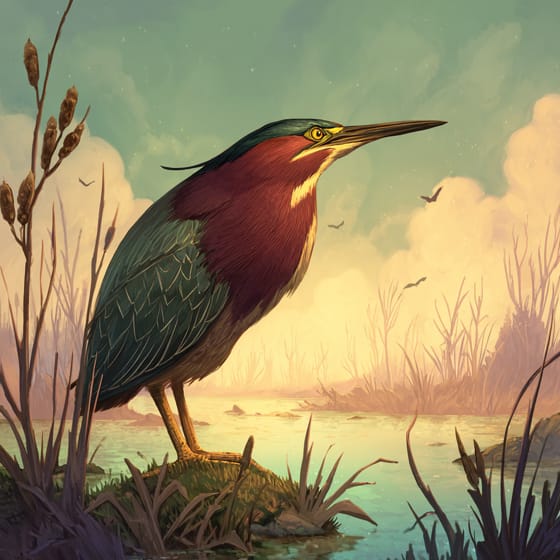
Butorides virescens
A wading bird that hunts small aquatic animals including snakes.
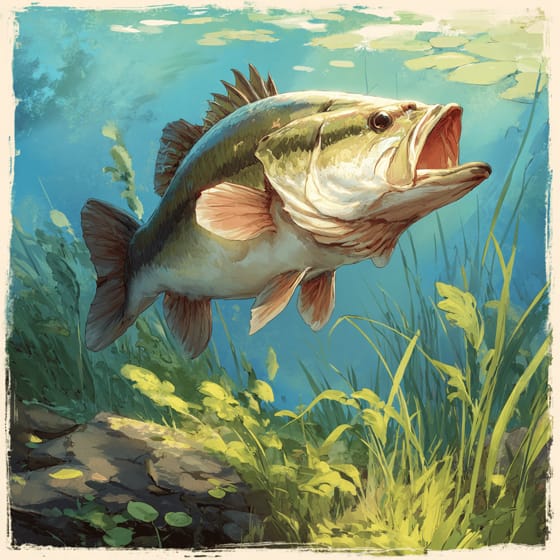
Micropterus salmoides
May consume juvenile Queensnakes found in the water.
Marked with parallel bands or lines of color.
Solitary animals live alone for most of their lives, only interacting with others for mating or parental care.
Colorful describes organisms or objects displaying a wide range of bright and distinct colors.
Piscivorous organisms are animals that primarily subsist on a diet of fish.

This habitat trait identifies species found in wetlands, which are areas of land saturated with water, either permanently or seasonally, including marshes, swamps, and bogs.

This trait identifies organisms whose diet consists entirely or primarily of animal tissue.

Diurnal animals are primarily active during daylight hours, typically resting or sleeping at night.

Aquatic habitats encompass environments where organisms live predominantly in water, including oceans, rivers, lakes, and wetlands.
No aliases listed yet.
Danger
1/5 · Very low
If you see a snake, it's best to watch from a distance and not touch it.
The easiest way to identify Queensnake is to use the Snappit nature identifier app.
38-61 cm
0.08-0.2 kg
8-10 years
1.5 km/h
Queensnakes mainly eat freshly molted crayfish, using their keen sense of smell to locate their slippery meals.
3 km/h
Wetlands
Zoom in to split clusters and explore where this object has been snapped.

Virginia, US
You might spot Eastern Box Turtle and Carolina Horsenettle.
View guide →

Maryland, US
You might spot American Cancer-Root and Rue Anemone.
View guide →

North Carolina, US
You might spot Common Watersnake, Fowler's Toad, and Fire Pink.
View guide →

Virginia, US
You might spot Bluegill, Garter Snake, and Eastern Box Turtle.
View guide →

Indiana, US
You might spot Amur Honeysuckle, Sycamore, and Common Pawpaw.
View guide →
Take the discovery with you
Snap it with Snappit to identify it, learn what makes it special, and add the discovery to your collection.













