





Caspian Whipsnake
Dolichophis caspius
The Caspian Whipsnake is a long, slender snake that moves quickly and gracefully. It has beautiful colors that help it blend into its surroundings, making it a fascinating creature to discover in nature!
Habitat: Grasslands
The Caspian Whipsnake is a long, slender snake with large eyes. It has yellowish-brown to greyish-brown scales on its back, often with faint darker patterns, fading to a lighter, yellowish-white belly. Its agile form helps it move quickly.
Category
ReptilesRarity
Common
Danger
2/5 · Low
Snaps
Be the first to snap!
It can chase down fast prey like lizards and rodents!
It is Europe's longest native snake species!
They famously hiss and strike to intimidate perceived threats!
This speedy snake can even climb trees to hunt birds!
Caspian Whipsnake can move incredibly fast, allowing it to quickly chase down agile prey across open ground.
Caspian Whipsnake has a long, slender body that helps it climb trees and bushes to hunt birds or bask.
Caspian Whipsnake has large, prominent eyes that help it spot small, fast-moving prey from a distance.
Caspian Whipsnake can efficiently absorb warmth from the sun, helping it maintain high body temperature for speed.
This fast snake loves to eat small animals like lizards, rodents, and even birds.
Age differences: Juveniles primarily eat insects and smaller lizards, while adults tackle larger prey.
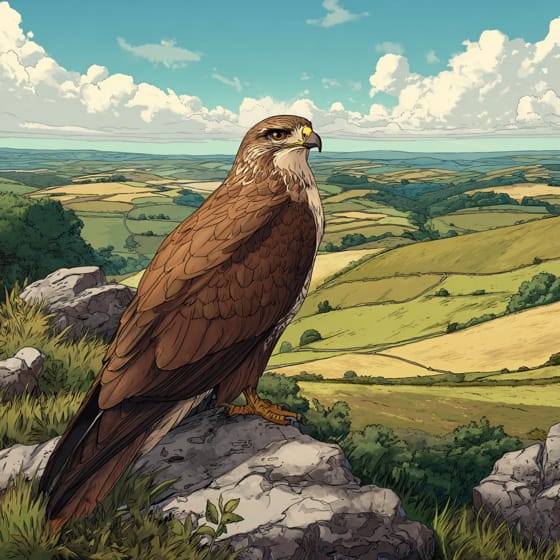
Buteo buteo
Young snakes can be prey for large birds of prey.
Lacerta viridis
A primary food source, actively hunted by the whip snake.
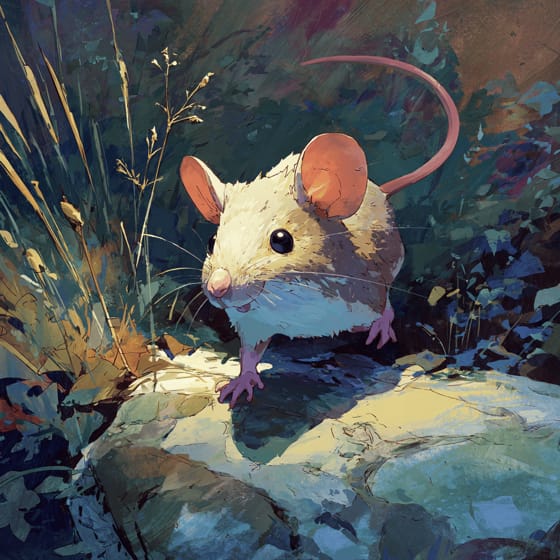
Mus musculus
Common rodent prey found in the snake's habitat.
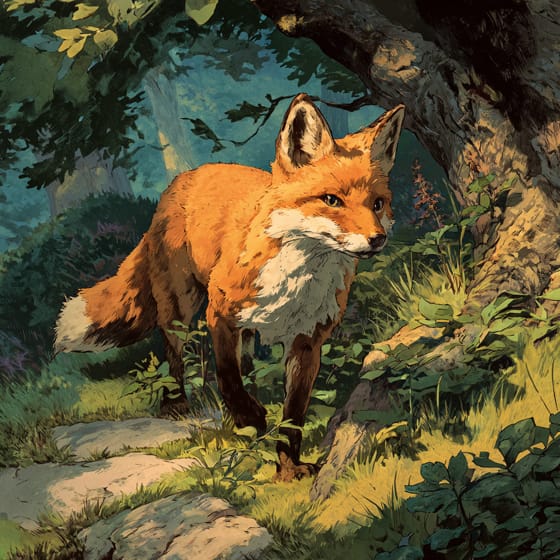
Vulpes vulpes
Opportunistic predator, especially of younger or slower snakes.
Solitary animals live alone for most of their lives, only interacting with others for mating or parental care.
Arboreal animals live primarily in trees, utilizing them for shelter, food, and protection from predators.
Camouflaged describes organisms that possess coloring or patterns that allow them to blend into their environment.
Colorful describes organisms or objects displaying a wide range of bright and distinct colors.

Grassland habitats are terrestrial biomes dominated by grasses and herbaceous plants, supporting a variety of grazing animals.

This trait identifies organisms whose diet consists entirely or primarily of animal tissue.

Diurnal animals are primarily active during daylight hours, typically resting or sleeping at night.

This trait identifies organisms that exhibit exceptional swiftness in movement for hunting, escape, or travel.
No aliases listed yet.
Danger
2/5 · Low
If you see a snake, it's best to watch it from a distance and not touch it.
The easiest way to identify Caspian Whipsnake is to use the Snappit nature identifier app.
100-250 cm
0.5-2.5 kg
8-12 years
16 km/h
This fast snake loves to eat small animals like lizards, rodents, and even birds.
Grasslands
Pursuit
Zoom in to split clusters and explore where this object has been snapped.
Recent snaps will appear here as new observations are added.
Take the discovery with you
Snap it with Snappit to identify it, learn what makes it special, and add the discovery to your collection.











