




Quinoa
Chenopodium quinoa subsp. quinoa
Quinoa is a nutritious plant that people can eat. Its seeds are small and come in different colors like red, white, and black. Quinoa grows well in high altitudes and is good for you!
Habitat: Mountain regions
The Quinoa plant has a sturdy stem that can range from green to vibrant red or purple, topped with large, often colorful, branching seed heads. Its broad leaves are goosefoot-shaped, varying in shades of green, yellow, or deep red as they mature, giving fields a striking appearance.
Category
PlantsRarity
Common
Danger
1/5 · Very low
Snaps
Be the first to snap!
Besides seeds, you can also eat quinoa's young leaves just like spinach!
Its seeds come in many colors: white, red, black, purple, and even orange!
NASA eyed quinoa as a superfood for astronauts on their long space journeys!
Quinoa is not a true grain, but a "pseudocereal" related to spinach and beets!
Quinoa seeds are covered in a bitter compound called saponin that helps it defend against hungry birds and insects.
Quinoa can thrive in tough environments like high altitudes, poor soil, and even drought, thanks to its robust root system.
Quinoa can absorb salt from the soil and store it in special leaf cells, helping it survive in salty conditions.
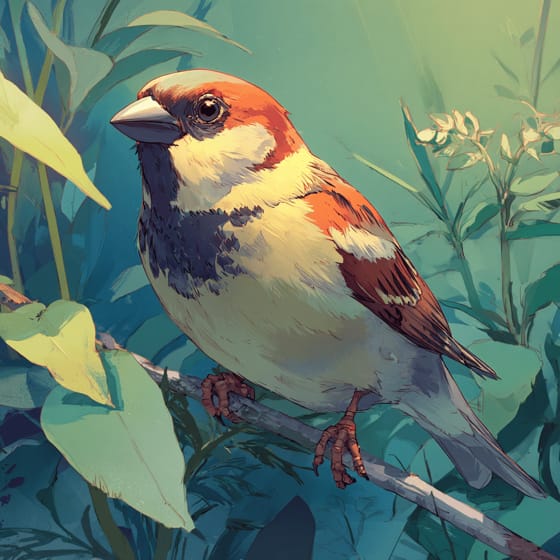
Passer domesticus
eats its protein-rich seeds
Spodoptera frugiperda
larvae chew on leaves and stalks
Homo sapiens
for cultivation and harvesting
Drought-tolerant plants can survive and flourish in conditions with limited water availability.
This human use trait denotes species cultivated as grain crops, harvested for their edible dry seeds (grains), which are a staple food source.
Edible plants are those parts of a plant that are considered safe for human consumption.
This habitat trait identifies species found in mountainous regions, characterized by high elevation, steep slopes, and varying climate zones.
Danger
1/5 · Very low
Quinoa plants are safe to touch and eat when prepared properly.
The easiest way to identify Quinoa is to use the Snappit nature identifier app.
100-300 cm
30-60 cm
Summer
Yes
None
Annual
Wind
Zoom in to split clusters and explore where this object has been snapped.
Recent snaps will appear here as new observations are added.
Take the discovery with you
Snap it with Snappit to identify it, learn what makes it special, and add the discovery to your collection.









.jpg&width=800)



_001.jpg&width=800)



