





Twisted-leaf Yucca
Yucca rupicola
The Twisted-leaf Yucca is a unique plant with long, twisted leaves that grow in a rosette shape. It can produce tall flower spikes with beautiful white flowers that attract butterflies and bees.
Habitat: Desert
The Twisted-leaf Yucca has a rosette of stiff, sword-shaped leaves, distinctively twisted or spiraled, that are blue-green and sharp-tipped. It produces a tall flower stalk with creamy white to greenish-white, bell-shaped blooms. This plant typically has a very short or absent trunk.
Category
PlantsRarity
Common
Danger
2/5 · Low
Snaps
Be the first to snap!
After blooming, the plant often grows a tasty fruit that birds and small animals love!
Its roots can grow super deep, reaching hidden water far underground for survival!
Native Americans used parts of yucca plants to make soap and strong ropes!
Yucca flowers open mostly at night, waiting for their special yucca moth friends!
Twisted-leaf Yucca has thick, waxy leaves that store water and reduce moisture loss, helping it survive in very dry places.
Twisted-leaf Yucca has sharp, pointed leaf tips that act as a natural defense, deterring hungry animals from eating its leaves.
Twisted-leaf Yucca relies on a special yucca moth for pollination, ensuring its seeds are produced in a unique team-up.
Tegeticula yuccasella
Moth lays eggs inside flowers and pollinates them.

Odocoileus virginianus
Deer sometimes browse the young flower stalks or leaves.
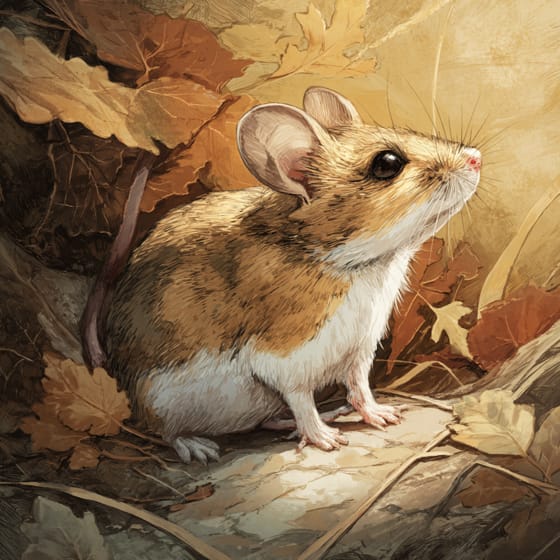
Peromyscus maniculatus
Mice feed on the seeds found within the yucca fruit pods.
Flowering plants are any plants that produce flowers as part of their reproductive cycle.
Spring blooming plants produce their flowers during the spring season, often signifying the end of winter and the start of new growth.
Evergreen plants retain their foliage throughout the year, never shedding all their leaves at once.
Fragrant flowers emit a pleasant aroma, often to attract pollinators or for defense.

Drought-tolerant plants can survive and flourish in conditions with limited water availability.

Succulent plants have thickened, fleshy parts, usually leaves or stems, adapted to store water in arid climates.

Describes plants that are particularly attractive and beneficial to a wide range of pollinating organisms.

Desert habitats are arid regions characterized by extremely low precipitation and often extreme temperatures, supporting specialized flora and fauna.

This trait characterizes organisms with an exceptionally long lifespan compared to others of their kind.
No aliases listed yet.
Danger
2/5 · Low
Stay away from the sharp leaves to avoid getting poked.
The easiest way to identify Twisted-leaf Yucca is to use the Snappit nature identifier app.
30-60 cm
60-90 cm
3-5 cm
Late spring to summer
Yes
Mild
Perennial
Zoom in to split clusters and explore where this object has been snapped.
Recent snaps will appear here as new observations are added.
Take the discovery with you
Snap it with Snappit to identify it, learn what makes it special, and add the discovery to your collection.








.jpg&width=800)


_001.jpg&width=800)


