





green antelopehorns
Asclepias viridis
Green antelopehorns are beautiful plants with long, green leaves and unique flowers. They are often found in sunny places and attract butterflies and bees.
Habitat: Grasslands
The green antelopehorns is a sturdy plant with upright stems and broad leaves. It has unique flower clusters with small, greenish-white to yellowish-purple flowers. Its most distinctive feature is the seed pods, which are often smooth and curve like miniature antelope horns.
Category
PlantsRarity
Common
Danger
2/5 · Low
Snaps
8
Its curved seed pods look like tiny antelope horns, inspiring its cool name!
Its unique greenish flowers attract many buzzing bees and beautiful butterflies!
Like all milkweeds, this plant has a fascinating milky sap when its stems break!
Some clever insects store its toxins in their bodies for their own defense!
Green antelopehorns can send its seeds flying far on the wind, each attached to a silky 'parachute' that helps it spread to new places.
Green antelopehorns has special leaves that Monarch butterfly caterpillars safely eat, helping them grow and transform into butterflies.
Green antelopehorns can produce sweet nectar in its unique flowers, attracting important insects like bees and butterflies for pollination.
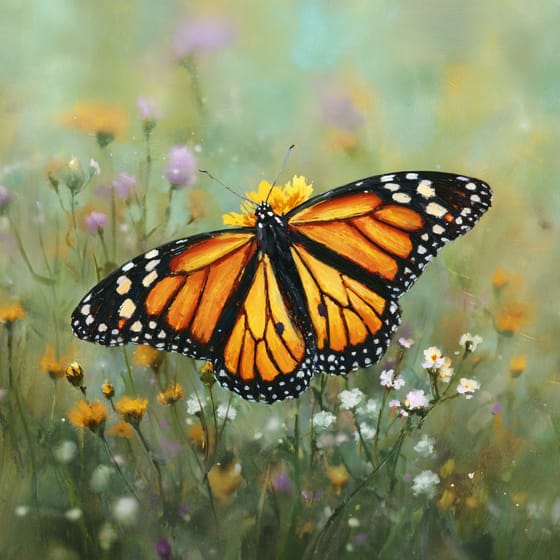
Danaus plexippus
larvae feed on its leaves
Danaus plexippus
adults drink flower nectar
Apis mellifera
collects nectar and pollen
Bombus impatiens
visits flowers for nectar
Flowering plants are any plants that produce flowers as part of their reproductive cycle.
Summer blooming plants produce their flowers during the summer season, often providing vibrant color when many other plants have finished.
Broadleaf trees are angiosperms characterized by flat, wide leaves that are typically shed annually in temperate climates.
Medicinal plants possess chemical compounds that can be used for therapeutic purposes to treat illnesses or maintain health.

Drought-tolerant plants can survive and flourish in conditions with limited water availability.

Grassland habitats are terrestrial biomes dominated by grasses and herbaceous plants, supporting a variety of grazing animals.

Describes plants that are particularly attractive and beneficial to a wide range of pollinating organisms.

Describes a species whose presence and role have a disproportionately large effect on its environment.
No aliases listed yet.
Danger
2/5 · Low
Do not touch the sap, as it can be sticky. Always wash your hands after exploring plants.
The easiest way to identify green antelopehorns is to use the Snappit nature identifier app.
30-90 cm
30-60 cm
0.5-1.5 cm
Spring to early summer
No
Moderate
Perennial
Zoom in to split clusters and explore where this object has been snapped.

Oklahoma, US
You might spot Hoary Vervain, Buffalo Gourd, and Pond Slider.
View guide →

Texas, US
You might spot Grooved Nipple Cactus and Blanchard's Cricket Frog.
View guide →

Oklahoma, US
You might spot Monarch, American Bumble Bee, and Gulf Fritillary.
View guide →

Georgia, US
You might spot Strawberry Bush, Fire Pink, and Red Salamander.
View guide →
Mississippi, US
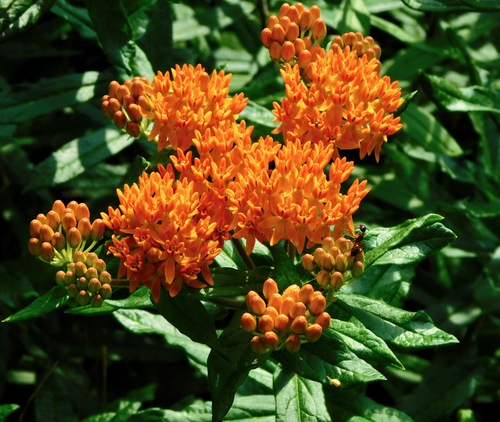
You might spot Butterfly Milkweed, Rattlesnake Master, and Yellow Puff.
View guide →

Missouri, US
You might spot Monarch, Common Buckeye, and Vulture.
View guide →
Take the discovery with you
Snap it with Snappit to identify it, learn what makes it special, and add the discovery to your collection.








.jpg&width=800)


_001.jpg&width=800)




