_Parque_Nacional_Natural_Tayrona_04.jpg&width=800)





Rainbow Whiptail
Cnemidophorus lemniscatus
The Rainbow Whiptail is a colorful lizard that loves to run fast! It has bright stripes and can be found basking in the sun. These lizards are fun to watch as they dart around looking for food.
Habitat: Grasslands
The Rainbow Whiptail is a slender lizard featuring a striking mix of bright green and blue on its body, accented by prominent yellow or pale longitudinal stripes. Its scales often have an iridescent sheen, creating a beautiful rainbow-like effect that makes it visually different from many other lizards.
Category
ReptilesRarity
Common
Danger
1/5 · Very low
Snaps
Be the first to snap!
Rainbow Whiptails are champions at digging, constantly excavating small holes for food!
Their vibrant colors can sometimes change slightly depending on their mood or how warm they are!
These amazing lizards hardly ever stop moving during the day, always searching for snacks.
They use their long, forked tongues to 'taste' the air, just like a snake!
Rainbow Whiptail can run incredibly fast because of its powerful legs, helping it chase down quick prey and escape predators.
Rainbow Whiptail has a fragile tail that can break off when grabbed, helping them escape predators while the tail wiggles.
Rainbow Whiptail can flick its forked tongue to 'taste' the air, helping it track hidden insects by their scent trails.
These speedy lizards love to hunt and eat all sorts of small insects and spiders!
Atta cephalotes
A common prey item
Leptophis ahaetulla
A common snake predator
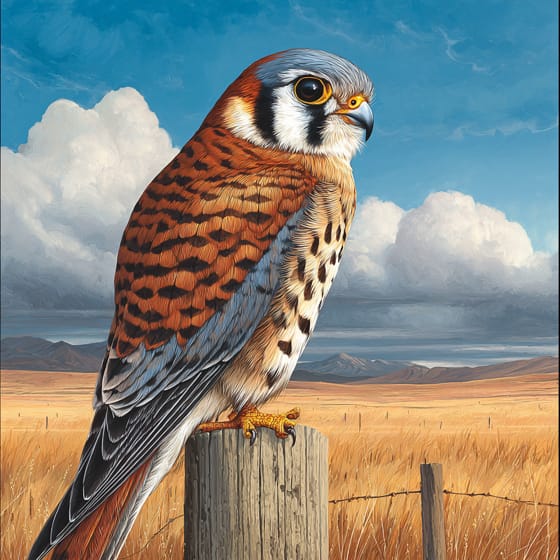
Falco sparverius
A bird of prey that hunts lizards
Marked with parallel bands or lines of color.
Solitary animals live alone for most of their lives, only interacting with others for mating or parental care.
Colorful describes organisms or objects displaying a wide range of bright and distinct colors.
Grassland habitats are terrestrial biomes dominated by grasses and herbaceous plants, supporting a variety of grazing animals.

This trait identifies organisms whose diet primarily consists of insects and other small invertebrates.

Thermoregulating organisms maintain a stable internal body temperature despite fluctuations in the external environment.

Diurnal animals are primarily active during daylight hours, typically resting or sleeping at night.

This trait identifies organisms that exhibit exceptional swiftness in movement for hunting, escape, or travel.
No aliases listed yet.
Danger
1/5 · Very low
Always watch lizards from a distance and don't try to catch them.
The easiest way to identify Rainbow Whiptail is to use the Snappit nature identifier app.
20-30 cm
0.02-0.05 kg
3-5 years
30 km/h
These speedy lizards love to hunt and eat all sorts of small insects and spiders!
Grasslands
Foraging
Zoom in to split clusters and explore where this object has been snapped.
Recent snaps will appear here as new observations are added.
Take the discovery with you
Snap it with Snappit to identify it, learn what makes it special, and add the discovery to your collection.













