





rattlesnake master
Eryngium yuccifolium
Rattlesnake master is a unique plant with spiky, green leaves and round, blue flowers. It grows tall and is often found in prairies and open fields, making it a special sight in nature.
Habitat: Prairies and open fields
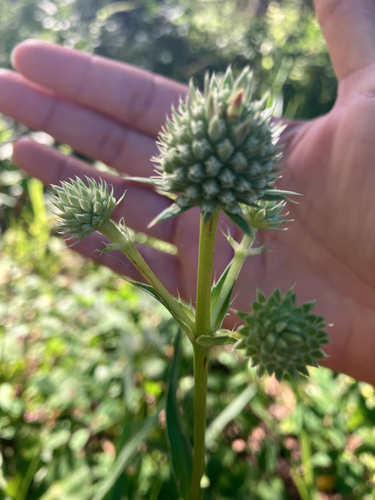
The rattlesnake master has stiff, sword-like blue-green leaves resembling a yucca plant. Its unique, spherical flower heads are greenish-white, covered in small, spiky bracts, making it stand out in prairies and savannas. The overall appearance is architectural and tough.
Category
PlantsRarity
Common
Danger
1/5 · Very low
Snaps
10
Despite its fearsome name, this plant has no direct connection to rattlesnakes, only old folklore!
Its scientific name, Eryngium yuccifolium, means 'yucca-leaved thistle' even though it's not a true thistle!
Native Americans historically used its fibrous leaves to weave ropes and mats, showing great resourcefulness!
The plant's deep root system can extend over 15 feet underground, helping it find water in dry seasons!
Rattlesnake master has incredibly tough, extensive roots that anchor it firmly, helping it withstand strong winds in open habitats.
Its stiff, pointy leaves act like a spiky shield, helping to deter hungry animals from nibbling on the plant.
The unique, globe-like, thistle-esque flower heads attract a wide variety of bees, wasps, and butterflies for pollination.
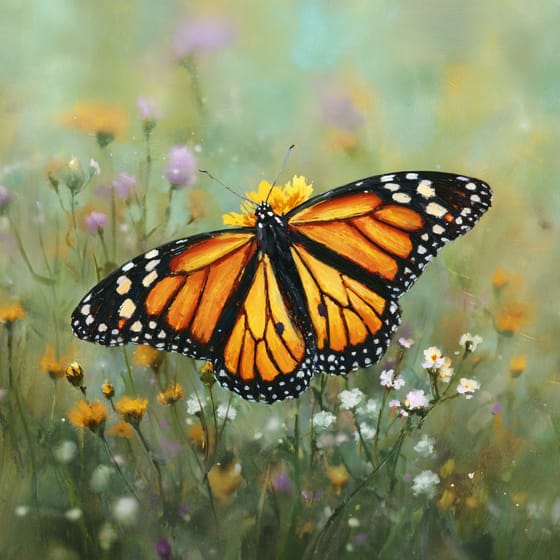
Danaus plexippus
Monarch butterflies visit its flowers for nectar.
Apis mellifera
Honey bees are frequent visitors to its nectar-rich blooms.

Odocoileus virginianus
Deer occasionally browse its foliage, especially new growth.
Scolia dubia
These beneficial wasps gather nectar and pollen from the flowers.
Flowering plants are any plants that produce flowers as part of their reproductive cycle.
Summer blooming plants produce their flowers during the summer season, often providing vibrant color when many other plants have finished.
Medicinal plants possess chemical compounds that can be used for therapeutic purposes to treat illnesses or maintain health.
Drought-tolerant plants can survive and flourish in conditions with limited water availability.

Grassland habitats are terrestrial biomes dominated by grasses and herbaceous plants, supporting a variety of grazing animals.

Describes plants that are particularly attractive and beneficial to a wide range of pollinating organisms.

Possessing sharp, pointed projections or spines on the body or surface.
No aliases listed yet.
Danger
1/5 · Very low
Always look but don't touch the sharp leaves to stay safe.
The easiest way to identify rattlesnake master is to use the Snappit nature identifier app.
50-200 cm
30-60 cm
1-2 cm
Summer
No
None
Perennial
Zoom in to split clusters and explore where this object has been snapped.
Jun 19, 2026
Shaw Nature ReservePhoto attribution
(c) Laurie, some rights reserved (CC BY)
License: CC BY 4.0 ↗
Image may be shown cropped inside the card frame.

Illinois, US
You might spot Viceroy, Common Wood-Nymph, and Acadian Hairstreak.
View guide →

Georgia, US
You might spot Joro Spider, American Sweetgum, and American Tuliptree.
View guide →

Missouri, US
You might spot Painted-Cup Paintbrush and Great Spangled Fritillary.
View guide →

Wisconsin, US
You might spot Green Comet Milkweed, Wood Lily, and Flowering Spurge.
View guide →
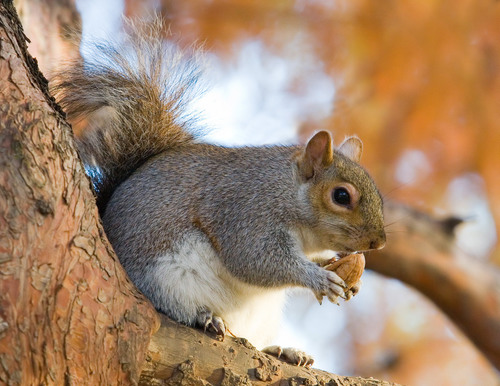
Ohio, US
You might spot Eastern Gray Squirrel and Common Jewelweed.
View guide →

Illinois, US
You might spot Common Eastern Bumble Bee and Brown-Belted Bumble Bee.
View guide →
Take the discovery with you
Snap it with Snappit to identify it, learn what makes it special, and add the discovery to your collection.








.jpg&width=800)



_001.jpg&width=800)




