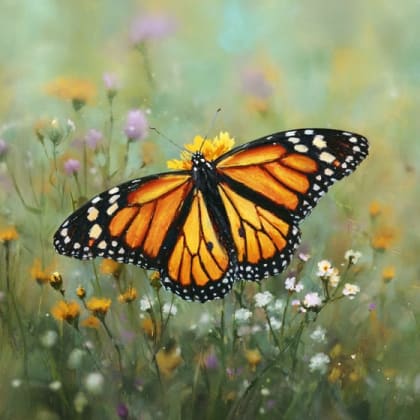
Great Spangled Fritillary

Shaw Nature Reserve is a sprawling natural sanctuary showcasing Missouri's diverse ecosystems.
Shaw Nature Reserve is a sprawling natural sanctuary showcasing Missouri's diverse ecosystems.
A division of the renowned Missouri Botanical Garden, Shaw Nature Reserve encompasses over 2,400 acres within Missouri's Ozark Corridor. This expansive landscape is a living tapestry of reconstructed tallgrass prairie, serene wetlands, sun-drenched glades, vital savannas, lush woodlands, and the meandering Meramec River. It serves as a critical site for environmental education, habitat restoration, and the protection of native flora and fauna, inspiring responsible stewardship of our natural world.
Visitors can explore more than 18 miles of trails that wind through these varied habitats, offering a close look at Missouri's natural beauty. Highlights include the 10-acre Whitmire Wildflower Garden, home to over 80 species of Missouri plants, and the Nature Explore Classroom and Sense of Wonder Woodland, engaging children with nature through interactive play. The Wetland Trail features a boardwalk and observation blinds, perfect for spotting local birds and other wildlife, while the prairie restoration areas showcase efforts to bring back this once-dominant ecosystem.
Beyond its scientific and educational value, Shaw Nature Reserve offers a peaceful escape, inviting guests to connect with nature through hiking, photography, and quiet observation. Its diverse landscapes provide year-round beauty, from vibrant spring wildflowers like the Virginia bluebells to the rich hues of autumn foliage, making every visit a memorable experience. Whether you're seeking an invigorating hike or a tranquil moment amidst nature, the reserve provides ample opportunities for discovery and appreciation. Wondering what that bird or insect is? Find out on your visit using the Snappit nature app.
Shaw Nature Reserve traces its origins to 1925 when the Missouri Botanical Garden acquired 1,300 acres of land. Initially known as the Shaw Arboretum, its primary purpose was to provide a safe haven for the Garden's valuable orchid and conifer collections, which were imperiled by the severe coal smoke pollution prevalent in St. Louis during the 1920s. While improved air quality later negated the need to move the entire collection, the reserve's mission evolved. Throughout the 1970s and 1980s, it shifted its focus to restoration ecology, native plant horticulture, and conservation. In 2000, it was officially renamed Shaw Nature Reserve to better reflect its dedication to environmental stewardship, education, and the restoration and protection of natural habitats. Its significance as an educational resource was recognized in 1972 when it was designated a National Environmental Education Landmark by the U.S. Secretary of the Interior.
Hike or walk along 18+ miles of diverse trails, jog, picnic in designated areas, birdwatch, observe native plants and wildflowers, engage in nature journaling, photography, and play in Brush Creek. Wilderness Wagon tours offer a guided experience from May through October. Educational classes and geocaching are also available.
Spring: Peak bloom for wildflowers, including Virginia bluebells (mid-April) and daffodils.
Summer: Lush greenery, active wildlife, and extended operating hours (May-August, 8 a.m. to 8 p.m.).
Fall: Beautiful autumn foliage.
Winter: Tranquil landscapes, opportunities for cross-country skiing.
Shaw Wildflower Markets for native plants are typically held in May and September.
Wheelchair accessible areas include the Bascom House, Crescent Knoll Overlook, Maritz Trail House, Wetland Trail, and portions of the Whitmire Wildflower Garden. The Dana Brown Overnight Center is also handicapped accessible. Jogging strollers are recommended for some of the less-paved trails.
A 10-acre showcase of over 80 species of Missouri native plants.
Engaging outdoor play areas designed for children.
Features a boardwalk and observation blind for viewing wetland plants and animals.
Vast landscapes of reconstructed tallgrass prairie, including the McMillan Prairie Overlook for panoramic views.
Each card links to a full Explore page with photos, traits, and fun facts.
Start with the big picture, then zoom in to explore individual wildlife observations around this place.
Hydrate and Snack
Bring plenty of water and snacks, as the reserve has no food concessions. Picnicking is permitted in designated areas near the Visitor Center, Bascom House, and Maritz Trail House.
Grab a Map
Upon arrival, stop at the Visitor Center to pick up a trail map and get helpful suggestions for your visit. Trail guide booklets with ecological information are also available for purchase.
Stay on Trails
To protect both yourself and the natural environment, always stay on marked trails. This helps you avoid poison ivy and stinging nettle, which are native to the area.
Dress for the Outdoors
Wear comfortable, sturdy footwear suitable for hiking on varied terrain. If you're bringing a stroller for young children, a jogging stroller is recommended for smoother handling on less-paved paths.
Seasonal Wonders
Plan your visit to align with seasonal highlights, such as mid-April for the spectacular bloom of Virginia bluebells, or late spring for vibrant displays in the Whitmire Wildflower Garden and meadows filled with daffodils.
"Leave No Trace"
Remember that collecting plants, animals, fossils, or any natural objects is prohibited. Capture memories with your camera instead of taking souvenirs.
Interactive Exploration
Enhance your experience by downloading the TaleBlazer app on your smartphone, which offers interactive games and information about the plants and animals as you hike.
Jun 19, 2026
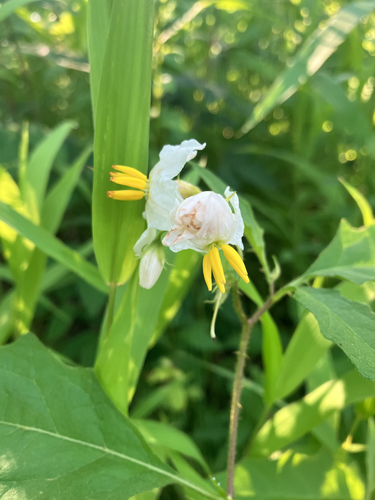
Photo attribution
(c) Laurie, some rights reserved (CC BY)
License: CC BY 4.0 ↗
Image may be shown cropped inside the card frame.
Jun 19, 2026
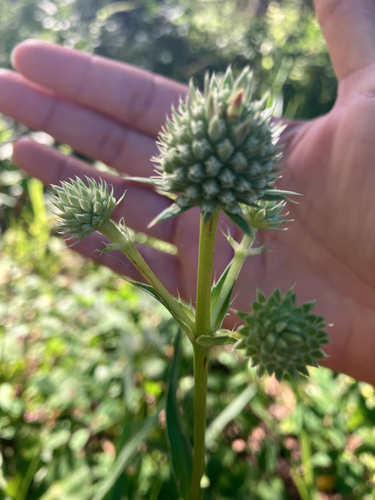
Photo attribution
(c) Laurie, some rights reserved (CC BY)
License: CC BY 4.0 ↗
Image may be shown cropped inside the card frame.
Jun 19, 2026
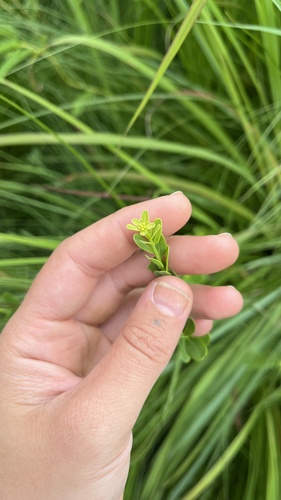
Photo attribution
(c) Laurie, some rights reserved (CC BY)
License: CC BY 4.0 ↗
Image may be shown cropped inside the card frame.
Jun 19, 2026
Photo attribution
(c) Laurie, some rights reserved (CC BY)
License: CC BY 4.0 ↗
Image may be shown cropped inside the card frame.
Jun 18, 2026
Photo attribution
(c) diana schwartz, some rights reserved (CC BY)
License: CC BY 4.0 ↗
Image may be shown cropped inside the card frame.

Maryland, US
You might spot White-Tailed Deer and Eastern Gray Squirrel.
View guide →
.jpg)
District of Columbia, US
You might spot Eastern Gray Squirrel, Duck, and House Sparrow.
View guide →

Illinois, US
You might spot American Robin, Canada Goose, and House Sparrow.
View guide →

Virginia, US
You might spot Spotted Lanternfly and Northern Cardinal.
View guide →
Take the discovery with you
Identify the wildlife you spot, learn as you go, and keep a collection of the adventure.