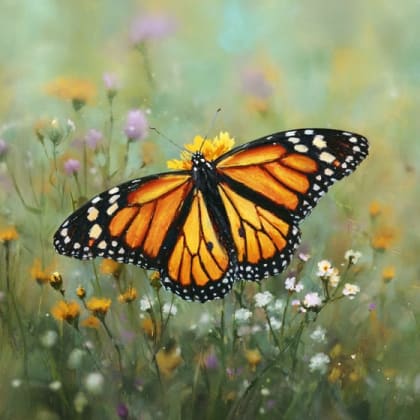





Monarch Butterfly

Oak Ridge Historic District preserves the secret city where the atomic bomb was developed.
Oak Ridge Historic District preserves the secret city where the atomic bomb was developed. This remarkable Tennessee destination offers a unique window into a pivotal moment in global history: the Manhattan Project during World War II. Once a highly classified "Secret City" that didn't appear on maps, Oak Ridge was purpose-built in 1942 to house the thousands of scientists, engineers, and workers dedicated to enriching uranium for the world's first atomic weapons. Today, it stands as a testament to American ingenuity, secrecy, and the immense human effort behind scientific advancement, inviting visitors to explore a meticulously planned community that changed the course of history.
Visitors can immerse themselves in the past by exploring key sites like **Jackson Square**, the district's original town center, which bustled 24/7 during the war and now hosts shops and restaurants. The historic **Alexander Inn**, once a guest house for dignitaries and scientists like J. Robert Oppenheimer, offers a glimpse into wartime lodging, while the charming **Chapel on the Hill** reflects the community's spiritual life. Unique **Alphabet Houses**, designed by Skidmore, Owings & Merrill, showcase the diverse housing provided for workers based on their rank and family size. Further exploration awaits at the **American Museum of Science and Energy**, the **K-25 History Center**, and the **Children's Museum of Oak Ridge**, which also houses the Manhattan Project National Historical Park Visitor Center.
A visit to the Oak Ridge Historic District is an unforgettable journey that transcends time, connecting visitors to the stories of sacrifice, patriotism, and groundbreaking scientific achievement. It's a place where the echoes of a secret past resonate through meticulously preserved buildings and powerful commemorative sites like the **Secret City Commemorative Walk** and the **International Friendship Bell**. This district not only educates but also inspires reflection on the profound impact of scientific discovery and the extraordinary collective effort of a community bound by an unparalleled mission. Wondering what that bird or insect is? Find out on your visit using the Snappit nature app.
The Oak Ridge Historic District originated in 1942 when the U.S. Army acquired vast tracts of rural East Tennessee farmland to establish a top-secret site for the Manhattan Project. This covert operation aimed to develop the atomic bomb, and Oak Ridge became instrumental in enriching uranium for this endeavor. Under a veil of extreme secrecy, the area transformed rapidly into a bustling city, growing from sparsely settled land to the fifth-largest city in Tennessee in just two and a half years, housing an estimated 75,000 residents and workers. The city's master plan and many of its distinctive buildings, including the "Alphabet Houses," were designed by the renowned architectural firm Skidmore, Owings & Merrill. Following the end of World War II, Oak Ridge transitioned from a temporary military town to an independent city, evolving into a hub for scientific research and a significant heritage tourism destination.
Embark on a self-guided auto tour of the historic district using available maps.
* Explore Jackson Square's shops, restaurants, and historical photo displays.
* Walk the Secret City Commemorative Walk and reflect on the historical plaques and Founder Walls.
* Visit the various museums to delve deeper into the Manhattan Project's science, history, and human stories.
* Look for the distinctive **Alphabet Houses** as you drive through the residential areas.
* For US citizens, inquire about the Department of Energy's special "behind the fence" bus tours (typically June-September) to original Manhattan Project sites like the X-10 Graphite Reactor and Y-12.
Spring (March-May): Mild weather is perfect for outdoor activities like hiking and enjoying local festivals such as the Secret City Festival.
Summer (June-August): Warm and sunny, ideal for water activities on nearby lakes, outdoor concerts, and the July 4th Celebration. This is also when "behind the fence" tours may be available.
Fall (September-November): Crisp, cool weather is excellent for scenic drives, hiking, and fall festivals like Oak Ridge Heritage Day.
Winter (December-February): Colder temperatures, possibly with snow, make it a good time for indoor attractions like museums and the city's Christmas Lights Tour.
Many key attractions, including the Manhattan Project Visitor Center (located in the Children's Museum of Oak Ridge), are wheelchair accessible. DOE guided bus tours can be wheelchair accessible with advance notice. Jackson Square offers accessible parking, and most businesses are accessible; however, it's advisable to contact individual establishments beforehand.
The historic commercial and social hub of the original "Secret City."
Once the Guest House for Manhattan Project officials and scientists.
A multi-denominational church built during the project, known for its unique architecture.
Residential buildings of various designs (e.g., Cemesto, Flat-Top) that housed workers during the war.
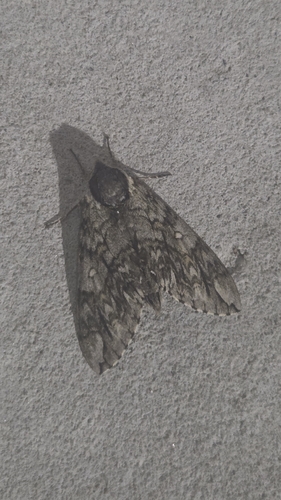
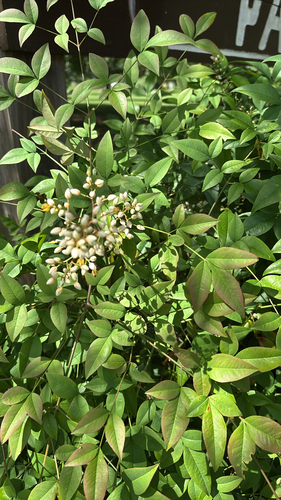
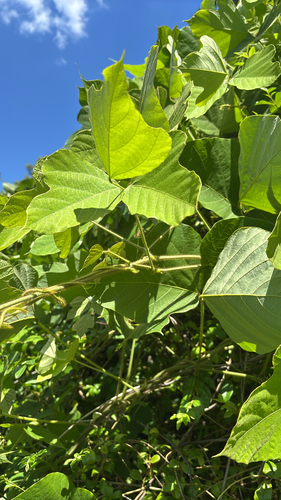
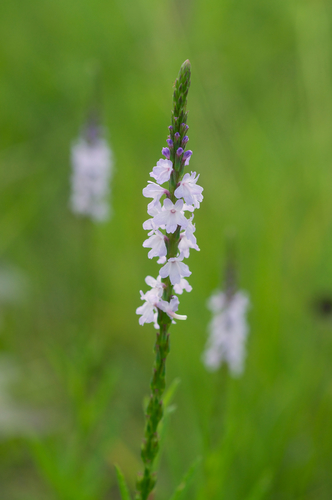
Each card links to a full Explore page with photos, traits, and fun facts.
Start with the big picture, then zoom in to explore individual wildlife observations around this place.
Start at the Visitor Center
** Begin your visit at the Manhattan Project National Historical Park Visitor Center, located within the Children's Museum of Oak Ridge, to gather maps, brochures, and speak with park rangers for orientation.
Take a Self-Guided Tour
Consider utilizing a self-guided auto tour to efficiently cover the spread-out sites within the historic district. Many resources are available online or at the visitor center.
Look for Wayside Markers
Keep an eye out for the numerous historical markers throughout the city, which provide detailed information about specific locations and events of the Manhattan Project.
Check DOE Tour Availability
If you are a U.S. citizen and interested in seeing the restricted production facilities, check the schedule for the special Department of Energy "behind the fence" bus tours, as they are seasonal and require advance booking.
Wear Comfortable Shoes
Many sites, especially in Jackson Square and A.K. Bissell Park, are best explored on foot.
Embrace the Architecture
Pay attention to the diverse architectural styles, particularly the "Alphabet Houses" designed to house the thousands of workers. Many are still private residences but offer a unique historical perspective.
Jun 5, 2026
Photo attribution
no rights reserved
License: CC0 1.0 ↗
Image may be shown cropped inside the card frame.
Jun 2, 2026
Photo attribution
(c) WhitePaw, some rights reserved (CC BY-SA)
License: CC BY-SA 4.0 ↗
Image may be shown cropped inside the card frame.
Jun 2, 2026
Photo attribution
(c) WhitePaw, some rights reserved (CC BY-SA)
License: CC BY-SA 4.0 ↗
Image may be shown cropped inside the card frame.
Jun 19, 2026
Jun 19, 2026

Maryland, US
You might spot White-Tailed Deer and Eastern Gray Squirrel.
View guide →
.jpg)
District of Columbia, US
You might spot Eastern Gray Squirrel, Duck, and House Sparrow.
View guide →

Illinois, US
You might spot American Robin, Canada Goose, and House Sparrow.
View guide →

Virginia, US
You might spot Spotted Lanternfly and Northern Cardinal.
View guide →
Take the discovery with you
Identify the wildlife you spot, learn as you go, and keep a collection of the adventure.