





Red-bellied Squirrel
Sciurus aureogaster
The Red-bellied Squirrel is a playful little creature with a bright red belly! They love to climb trees and gather nuts to eat. These squirrels are friendly and can often be seen in parks and backyards.
Habitat: Urban areas
The Red-bellied Squirrel has a distinctive reddish-orange belly that contrasts sharply with its gray or yellowish-gray back and sides. Its bushy tail often has a mix of black and white hairs, making it easily identifiable among other squirrels.
Category
MammalsRarity
Common
Danger
1/5 · Very low
Snaps
Be the first to snap!
Red-bellied Squirrels chatter loudly to warn other squirrels of danger!
Sometimes they build special "nest balls" for their babies, high in trees!
Their front teeth never stop growing, so they chew constantly!
They can twist their ankles 180 degrees to climb down trees headfirst!
Red-bellied Squirrels can swiftly climb trees using strong claws that help them escape predators and find food.
Red-bellied Squirrels have powerful hind legs that help them leap between branches with amazing accuracy.
Red-bellied Squirrels can locate hidden nuts with keen eyesight that helps them remember food caches.
Red-bellied Squirrels can bury seeds and forget some, which helps new trees grow in their ecosystem.
These clever squirrels enjoy a tasty mix of nuts, seeds, fruits, fungi, and sometimes insects!
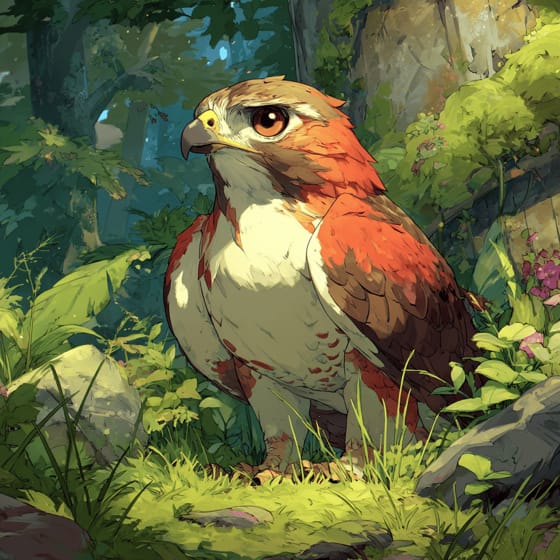
Buteo jamaicensis
A common predator hunting squirrels from above.
Boa constrictor
Snakes sometimes ambush squirrels in trees.
Quercus oleoides
Relies on oak trees for its staple food: acorns.
Pinus oocarpa
Feeds on seeds from pine cones, helping with dispersal.
Furry describes animals possessing a dense covering of soft hair or fur.
Social animals live in organized groups, cooperating for survival benefits such as foraging, defense, and raising offspring.
Arboreal animals live primarily in trees, utilizing them for shelter, food, and protection from predators.
Colorful describes organisms or objects displaying a wide range of bright and distinct colors.

This trait characterizes organisms whose diet consists entirely or primarily of plant material.

Diurnal animals are primarily active during daylight hours, typically resting or sleeping at night.

This trait identifies organisms that exhibit exceptional swiftness in movement for hunting, escape, or travel.

This habitat trait indicates species that can coexist with humans in urban and suburban environments, utilizing man-made structures and green spaces.
No aliases listed yet.
Danger
1/5 · Very low
Watch squirrels from a distance and don't try to touch or feed them.
The easiest way to identify Red-bellied Squirrel is to use the Snappit nature identifier app.
20-33 cm
0.3-0.65 kg
2-10 years
20 km/h
These clever squirrels enjoy a tasty mix of nuts, seeds, fruits, fungi, and sometimes insects!
Urban areas
Foraging
Zoom in to split clusters and explore where this object has been snapped.
Recent snaps will appear here as new observations are added.
Take the discovery with you
Snap it with Snappit to identify it, learn what makes it special, and add the discovery to your collection.




.jpg&width=800)


.JPG&width=800)


.jpg&width=800)
