





Marbled Murrelet
Brachyramphus marmoratus
The Marbled Murrelet is a small bird that loves to live in coastal forests. It is special because it nests high up in the trees, unlike many other birds that build nests on the ground.
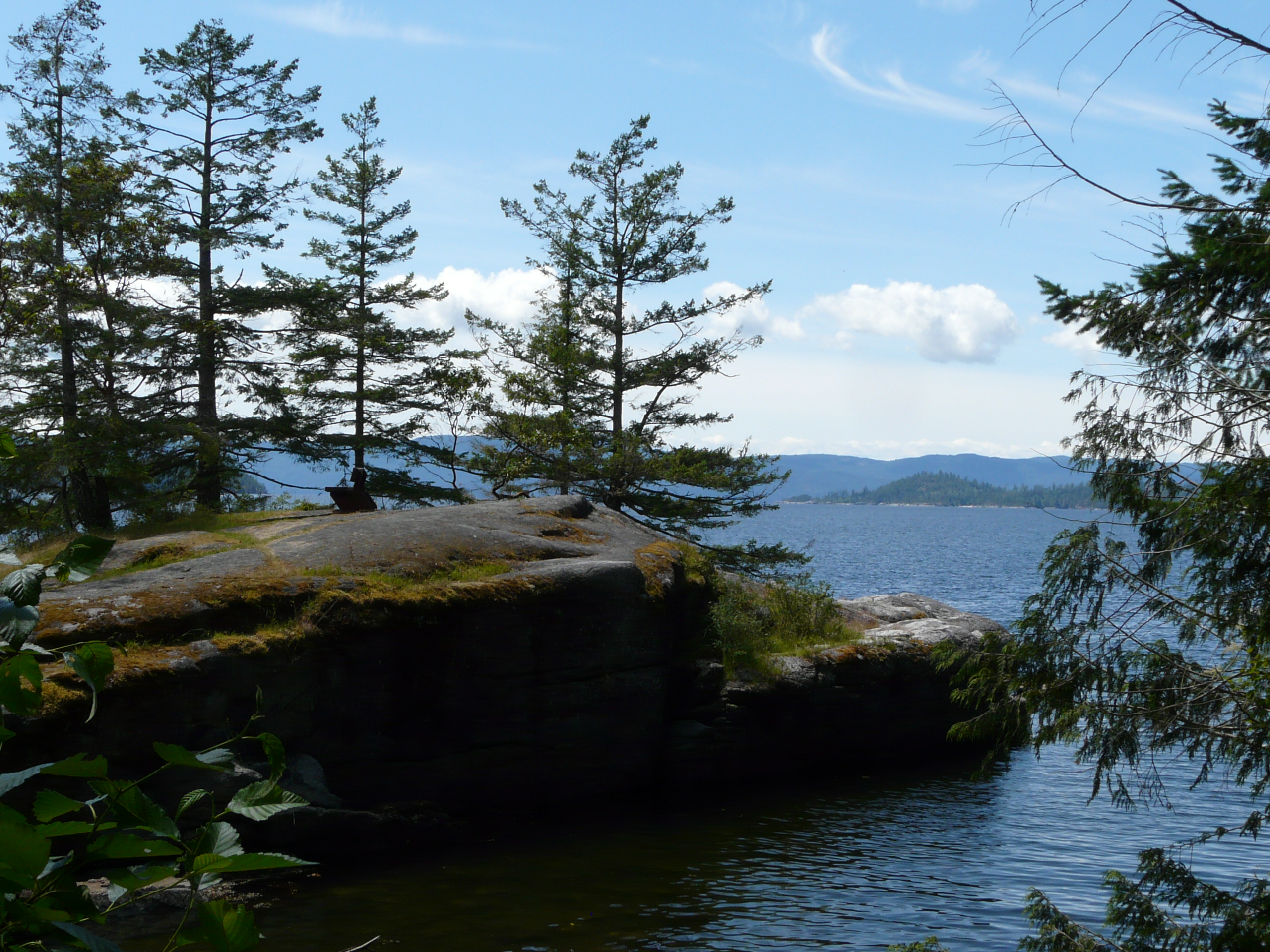
Habitat: Coastal areas
The Marbled Murrelet is a small, stocky seabird with a short neck and pointed wings. In breeding season, it has a mottled brown and white 'marbled' pattern all over. In winter, it is dark blackish above and bright white below, looking much different.
Category
BirdsRarity
Rare
Danger
1/5 · Very low
Snaps
Be the first to snap!
Murrelet chicks leap from high forest nests to fly to the sea!
They fly silently to and from nests in darkness, avoiding predators.
They lay a single egg on a wide, mossy tree branch, not a typical nest!
They need ancient, giant trees in old forests, miles from the ocean!
Marbled Murrelets can nest high in ancient forest trees, often miles inland, which is very unusual for a seabird.
Marbled Murrelets can dive deep underwater to catch fast-moving fish, using their wings like flippers.
Marbled Murrelets has short, pointed wings that help them fly incredibly fast between ocean and forest.
This seabird loves to dive deep for small fish and tiny ocean critters to eat!

Haliaeetus leucocephalus
Adults and chicks can be prey for large raptors.
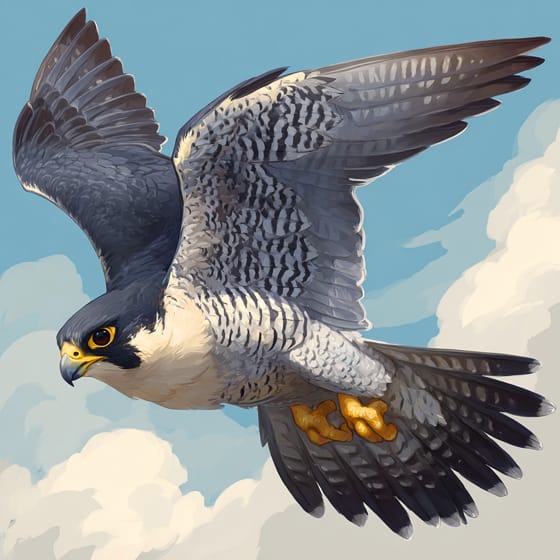
Falco peregrinus
Known to ambush murrelets during flight.
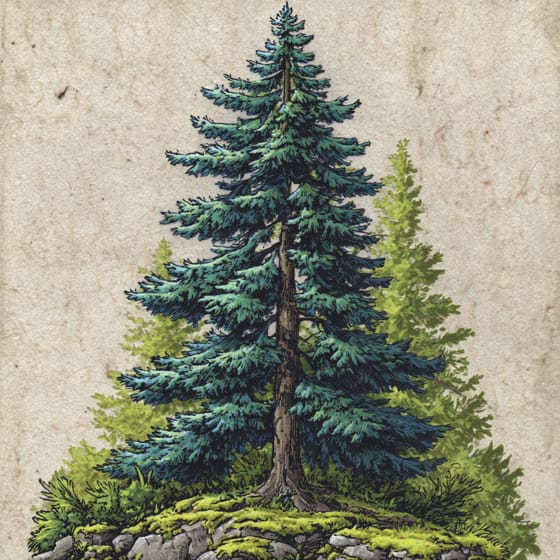
Picea sitchensis
Provides critical nesting platforms in its ancient branches.
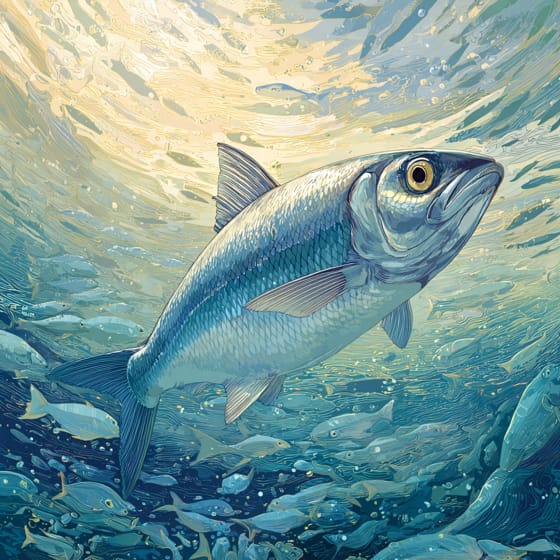
Clupea pallasii
A primary food source caught by diving in the ocean.
Feathered describes animals, primarily birds, possessing a covering of feathers.
Solitary animals live alone for most of their lives, only interacting with others for mating or parental care.
Camouflaged describes organisms that possess coloring or patterns that allow them to blend into their environment.
Piscivorous organisms are animals that primarily subsist on a diet of fish.

Forest habitats are terrestrial environments dominated by dense tree cover, supporting a high diversity of plant and animal life.

Coastal habitats are dynamic environments located along the interface between land and sea, influenced by tides, waves, and saltwater.

Diurnal animals are primarily active during daylight hours, typically resting or sleeping at night.

Endangered status indicates a species is at a very high risk of extinction in the wild in the near future.
No aliases listed yet.
Danger
1/5 · Very low
Always watch birds from a distance and do not disturb their nests.
The easiest way to identify Marbled Murrelet is to use the Snappit nature identifier app.
24-27 cm
40-45 cm
0.19-0.26 kg
10-15 years
70 km/h
This seabird loves to dive deep for small fish and tiny ocean critters to eat!
Coastal areas
Zoom in to split clusters and explore where this object has been snapped.
Recent snaps will appear here as new observations are added.
Take the discovery with you
Snap it with Snappit to identify it, learn what makes it special, and add the discovery to your collection.





.jpg&width=800)









