



White Tailed Deer

The Washington and Old Dominion Railroad Regional Park, affectionately known as the W&OD Trail, is a true linear oasis stretching 45 miles across Northern Virginia.
The Washington and Old Dominion Railroad Regional Park, affectionately known as the W&OD Trail, is a true linear oasis stretching 45 miles across Northern Virginia. Often dubbed the "skinniest park in Virginia" due to its approximately 100-foot width, this unique regional park offers a remarkable journey from urban landscapes to tranquil countryside. Whether you're looking to run, cycle, skate, or simply stroll, the paved trail provides an accessible and scenic pathway that follows the historic route of a bygone railroad, making it a beloved recreational and historical corridor.
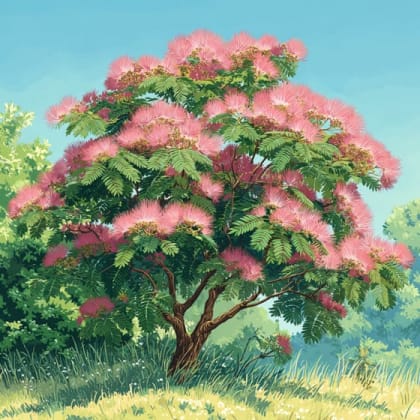
Alongside the main paved trail, a 32-mile adjacent gravel path caters to equestrians, hikers, mountain bikers, and joggers, providing a more rustic experience through varying terrains. The park is a haven for nature enthusiasts, with opportunities to spot diverse wildlife such as White-tailed Deer, Eastern Gray Squirrels, and Red Fox. Birdwatchers can delight in sightings of American Robins, Northern Cardinals, Eastern Bluebirds, Red-shouldered Hawks, and Great Blue Herons, especially near the creeks and waterways it traverses. Efforts are actively underway to enhance the natural ecosystem through invasive species management, native plantings like red maple and American tuliptree, and the introduction of pollinators to support a thriving environment for species like the Monarch butterfly and Eastern Tiger Swallowtail.
A visit to the Washington and Old Dominion Railroad Regional Park is an immersion in both history and natural beauty. Its extensive length allows for countless experiences, from quick jogs through vibrant neighborhoods to longer excursions through quiet farmlands and wooded areas. Interpretive signs and historical markers along the route bring the railroad's past to life, adding a layer of educational discovery to your outdoor adventure. This "crown jewel of Northern Virginia" promises memorable moments and a unique perspective on the region's rich heritage and ecological diversity. Planning to visit? Download the Snappit app to identify the wildlife you spot in real-time.
The Washington and Old Dominion Railroad Regional Park takes its name and path from the former Washington and Old Dominion Railroad. The railway originated in 1847 as the Alexandria, Loudoun and Hampshire Railroad, with ambitious plans to transport coal and other goods from the Appalachians to the port of Alexandria. While its commercial aspirations were never fully realized, the route played a significant role in the development of Northern Virginia, witnessing Civil War skirmishes and facilitating the growth of towns along its line. After operating under various names, the railroad ceased operations in 1968 due to an improved road system and increased motor vehicle use. The right-of-way was initially acquired by the Virginia Electric and Power Company (VEPCO). However, the Northern Virginia Regional Park Authority (NOVA Parks) began efforts to acquire the land for public use, opening the first segment of the trail in Falls Church in 1974. The entire 45-mile trail was completed to Purcellville in 1988, officially converting the historic rail bed into the popular recreational park it is today, and earning designation as a National Recreation Trail in 1987.
Engage in outdoor recreation such as biking, walking, running, skating, or horseback riding. Observe local wildlife and plant species. Explore the various towns and communities the trail passes through, many offering shops, restaurants, and historical sites. Look for opportunities to photograph animals like the Eastern Gray Squirrel or Northern Cardinal, or native plants like red maple and mayapple.
The park is accessible year-round. In spring, enjoy emerging wildflowers and increased bird activity. Summer is ideal for longer rides and enjoying the shade of mature trees. Fall brings vibrant foliage and unique wildlife sightings like snakes seeking warmth on the trail. Winter offers a quieter experience, though snow removal is limited to particularly difficult areas.
The main 45-mile trail is paved and approximately 10 feet wide, making it suitable for wheelchairs, strollers, and various wheeled devices. Numerous access points with parking are available along its length.
The 45-mile paved multi-use trail for walking, running, cycling, and skating.
The 32-mile adjacent gravel trail for equestrians, hikers, and mountain bikers.
Interpretive signs and historical markers detailing the railroad's past.
Old railcars or cabooses in towns like Herndon, Vienna, and at Bluemont Park.
Each card links to a full Explore page with photos, traits, and fun facts.































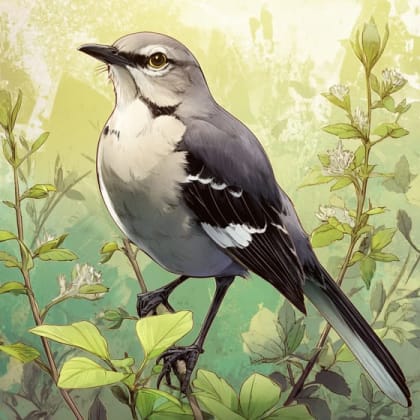


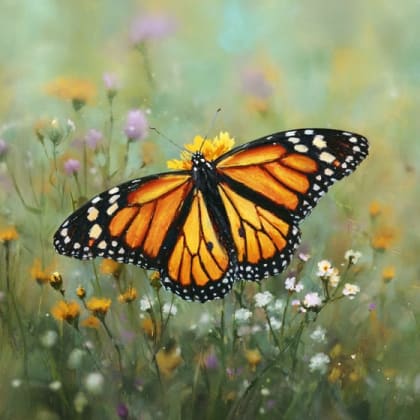


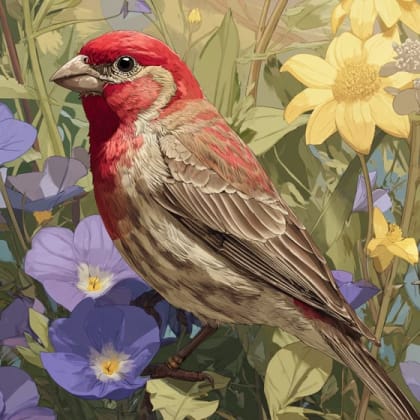


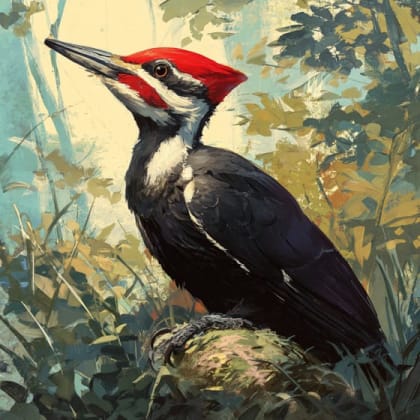









Start with the big picture, then zoom in to explore individual wildlife observations around this place.
Utilize multiple access points
With numerous parking areas along its length, consider starting at different points to explore varied sections of the trail, from urban to rural.
Be aware of other users
The W&OD Trail is a multi-use path. Be courteous and cautious, especially around children walking or biking to school.
Explore local towns
Plan stops in the towns along the route, such as Leesburg for antiquing or Ashburn for a trailside barbecue restaurant, to enhance your experience.
Stay hydrated and prepared
Bring water and snacks, especially for longer trips, as amenities can be spaced out.
Look for history and nature
Keep an eye out for interpretive signs that share the trail's railroad history and watch for diverse wildlife in natural areas.
Equestrians should use the gravel path
If horseback riding, ensure you use the dedicated 32-mile gravel path, which runs parallel to the paved trail, predominantly west of Vienna.
Jun 20, 2026
Jun 19, 2026
Jun 19, 2026
Jun 19, 2026
Jun 19, 2026

Maryland, US
You might spot White-Tailed Deer and Eastern Gray Squirrel.
View guide →
.jpg)
District of Columbia, US
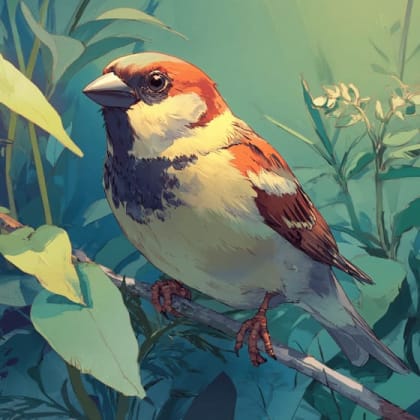
You might spot Eastern Gray Squirrel, Duck, and House Sparrow.
View guide →

Illinois, US
You might spot American Robin, Canada Goose, and House Sparrow.
View guide →

Virginia, US
You might spot Spotted Lanternfly and Northern Cardinal.
View guide →
Take the discovery with you
Identify the wildlife you spot, learn as you go, and keep a collection of the adventure.