





Red Pine Longhorn Beetle
Stictoleptura rubra
The Red Pine Longhorn Beetle is a bright red beetle with long antennae. It loves to live in pine trees and is often seen crawling on tree bark, making it a fun find for nature explorers!
Habitat: Forests
The Red Pine Longhorn Beetle has a striking reddish-brown or orange body, often with darker wing covers (elytra) in males. Its most distinct feature is its incredibly long antennae, which can be longer than its body, helping it stand out from other beetles.
Category
InsectsRarity
Common
Danger
1/5 · Very low
Snaps
Be the first to snap!
Adult beetles only live for a few weeks, focusing solely on mating and laying eggs.
Its larvae can live inside pine trees for years before turning into adults!
Males are often darker than females, with more brown or black wing cases.
They are excellent flyers, despite their somewhat clumsy appearance on the ground.
Red Pine Longhorn Beetle larvae can bore tunnels through tough pine wood because of their strong mandibles, which helps them create a safe home and find food.
Red Pine Longhorn Beetle has a reddish-brown color that helps them blend perfectly with pine bark and needles, making them tricky for predators to spot.
Larvae munch on dead or dying pine wood, while adults feed on nectar and pollen from flowers.
Age differences: Larvae bore into and feed on dead conifer wood, while adults consume nectar and pollen from flowers.
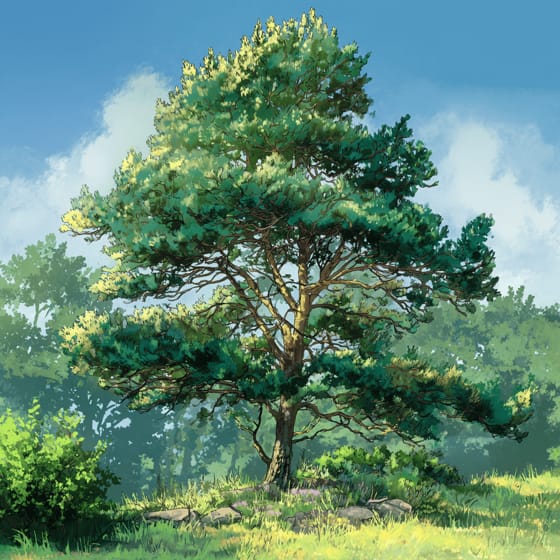
Pinus sylvestris
Larvae bore into and feed on the wood of dead or dying pine trees.
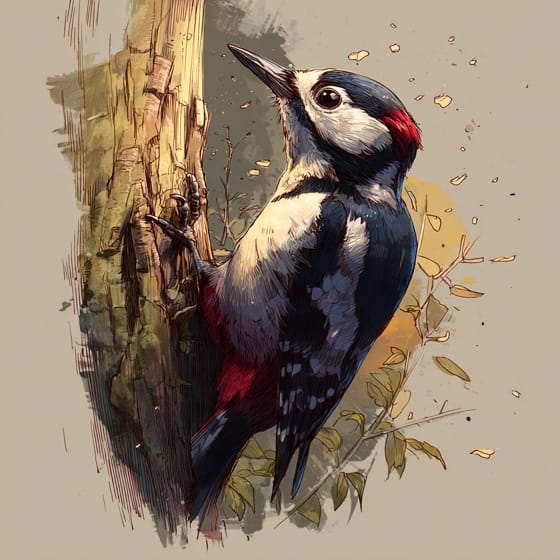
Dendrocopos major
Woodpeckers extract beetle larvae from infested pine trees.
Rhyssa persuasoria
Wasp lays eggs on beetle larvae inside pine wood tunnels.
Solitary animals live alone for most of their lives, only interacting with others for mating or parental care.
Characterized by having one or more hard, permanent, pointed projections on the head.
Colorful describes organisms or objects displaying a wide range of bright and distinct colors.
This trait characterizes organisms whose diet consists entirely or primarily of plant material.

Forest habitats are terrestrial environments dominated by dense tree cover, supporting a high diversity of plant and animal life.

Diurnal animals are primarily active during daylight hours, typically resting or sleeping at night.

Describes organisms that transfer pollen, enabling the fertilization and reproduction of plants.
No aliases listed yet.
Danger
1/5 · Very low
Be gentle and watch where you step when exploring in the woods.
The easiest way to identify Red Pine Longhorn Beetle is to use the Snappit nature identifier app.
24-40 mm
12-20 mm
20-60 days
Larvae munch on dead or dying pine wood, while adults feed on nectar and pollen from flowers.
Forests
Foraging
6
Zoom in to split clusters and explore where this object has been snapped.
Recent snaps will appear here as new observations are added.
Take the discovery with you
Snap it with Snappit to identify it, learn what makes it special, and add the discovery to your collection.







.jpg&width=800)


