





red slender loris
Loris tardigradus
The red slender loris is a small, cute primate with big eyes and a tiny body. They are very slow movers and love to eat insects and fruits in the trees.
Habitat: Forests
The red slender loris has large, round, reddish-brown eyes and soft, dense fur that ranges from reddish-brown to dark rufous. Its body is slender with long, thin limbs, and it lacks a visible tail. It looks visually distinct with its bright red eyes contrasting its grey eye patches and a paler underside.
Category
MammalsRarity
Rare
Danger
2/5 · Low
Snaps
Be the first to snap!
During the day, they curl up tightly like a ball to sleep in tree hollows.
Red slender lorises use a special scent to mark their territory and talk to each other.
They can twist their heads almost 180 degrees to look behind them!
This loris has hardly any tail, just a tiny stub hidden in its fur!
Red slender lorises can move incredibly slowly and silently because of their specialized muscles, which helps them sneak up on unsuspecting prey.
Red slender lorises have huge eyes with a special reflective layer that helps them gather more light to see perfectly in the dark.
Red slender lorises have powerful grasping hands and feet with opposable thumbs that help them cling tightly to branches, even upside down.
These nimble night hunters munch on insects, fruits, and tiny animals found in their forest homes.
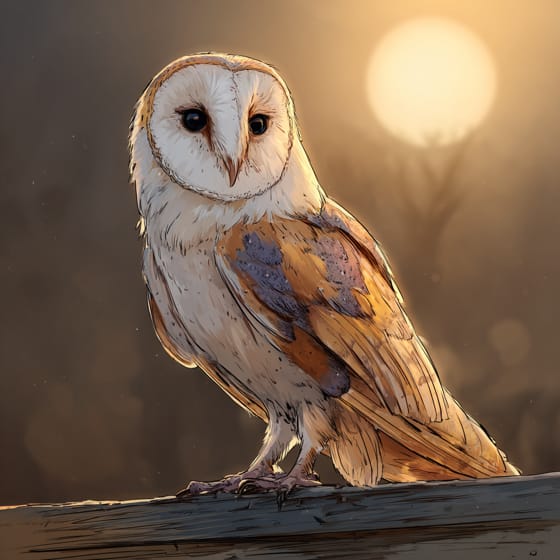
Tyto alba
A nocturnal bird of prey in its habitat.
Naja naja
A snake that preys on small mammals and birds.
Gryllus bimaculatus
A common insect that forms part of its diet.
Terminalia catappa
Uses its dense canopy for daytime rest.
Artocarpus heterophyllus
Provides refuge in its thick foliage.
Furry describes animals possessing a dense covering of soft hair or fur.
Solitary animals live alone for most of their lives, only interacting with others for mating or parental care.
Arboreal animals live primarily in trees, utilizing them for shelter, food, and protection from predators.
This trait identifies organisms whose diet primarily consists of insects and other small invertebrates.

Forest habitats are terrestrial environments dominated by dense tree cover, supporting a high diversity of plant and animal life.

This trait characterizes organisms with an exceptionally long lifespan compared to others of their kind.

Nocturnal animals are primarily active during the nighttime hours, typically resting or sleeping during the day.

Endangered status indicates a species is at a very high risk of extinction in the wild in the near future.
No aliases listed yet.
Danger
2/5 · Low
These animals are shy and should be admired from a distance. Never try to touch or catch one.
The easiest way to identify red slender loris is to use the Snappit nature identifier app.
18-25 cm
0.1-0.35 kg
12-15 years
2 km/h
These nimble night hunters munch on insects, fruits, and tiny animals found in their forest homes.
Forests
Ambush
Zoom in to split clusters and explore where this object has been snapped.
Recent snaps will appear here as new observations are added.
Take the discovery with you
Snap it with Snappit to identify it, learn what makes it special, and add the discovery to your collection.




.jpg&width=800)



.JPG&width=800)



.jpg&width=800)
