





Red Valerian
Centranthus ruber
Red Valerian is a bright pink flower that loves to grow in sunny places. It attracts butterflies and bees, making gardens colorful and lively!
Habitat: Urban areas
The Red Valerian is a robust plant with dense clusters of small, star-shaped flowers that are typically vibrant magenta-red, though sometimes pink or white. Its grey-green, slightly fleshy leaves provide a striking contrast to the cheerful blooms.
Category
PlantsRarity
Common
Danger
1/5 · Very low
Snaps
Be the first to snap!
Even its young leaves can be added to salads for a fresh, unique taste!
It's also called 'Kiss-me-quick' because its flowers are so charming!
This plant is a favorite 'fast-food stop' for speedy Hummingbird Hawk-moths!
You can sometimes spot its cheerful blooms growing right out of old stone walls!
Red Valerian can grow directly from cracks in walls and rocks, thanks to strong roots that find moisture in tough spots.
This plant has a long nectar spur on each flower to attract long-tongued insects like hummingbirds and hawk-moths, ensuring pollination.
Red Valerian can drop many seeds around itself, helping it quickly colonize new patches of ground.
Its slightly succulent leaves help Red Valerian store water, allowing it to thrive in dry, sunny conditions.
Apis mellifera
Collects nectar and pollen from flowers.
Vanessa cardui
Sips nectar from the flowers.
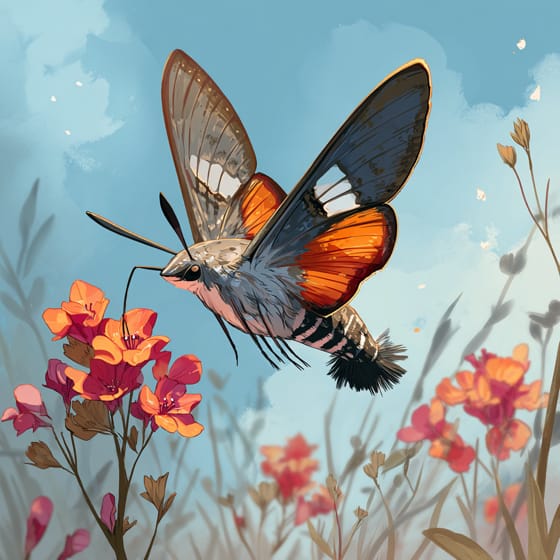
Macroglossum stellatarum
Its long proboscis reaches deep into nectar spurs.
Aromatic plants produce and emit fragrant volatile organic compounds, often for defense or to attract pollinators.
Flowering plants are any plants that produce flowers as part of their reproductive cycle.
Summer blooming plants produce their flowers during the summer season, often providing vibrant color when many other plants have finished.
Fragrant flowers emit a pleasant aroma, often to attract pollinators or for defense.

Colorful describes organisms or objects displaying a wide range of bright and distinct colors.

Describes plants that are particularly attractive and beneficial to a wide range of pollinating organisms.

This habitat trait indicates species that can coexist with humans in urban and suburban environments, utilizing man-made structures and green spaces.
Danger
1/5 · Very low
Always wash your hands after touching plants, just to be safe!
The easiest way to identify Red Valerian is to use the Snappit nature identifier app.
30-90 cm
30-60 cm
0.5-1 cm
Late spring to fall
Yes
None
Perennial
Zoom in to split clusters and explore where this object has been snapped.
Recent snaps will appear here as new observations are added.
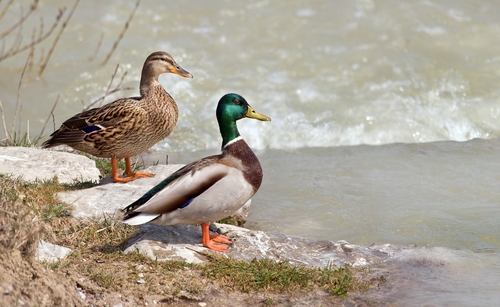
California, US
You might spot Duck, Great Egret, and Hooded Merganser.
View guide →

California, US
You might spot Roxburgh Fig, Roses, and Swan-Neck Agave.
View guide →

Washington, US
You might spot Cross Orbweaver, Western Redcedar, and Fringed Willowherb.
View guide →

Washington, US
You might spot Prostrate Knotweed, Common Dandelion, and Duck.
View guide →
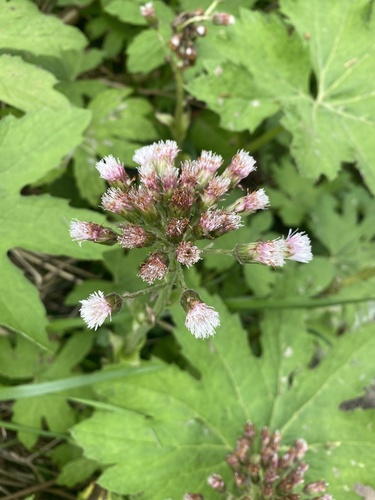
Washington, US
You might spot Arctic Butterbur, Red Valerian, and American Brooklime.
View guide →
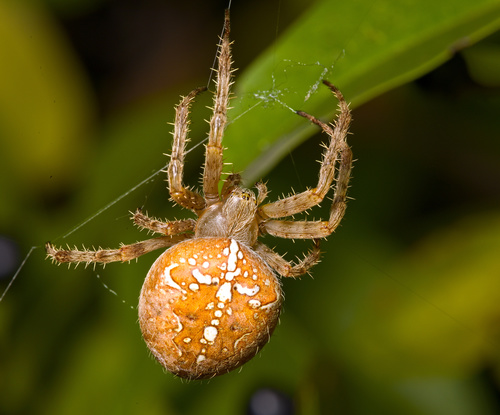
Washington, US
You might spot Cross Orbweaver and Fringed Willowherb.
View guide →
Take the discovery with you
Snap it with Snappit to identify it, learn what makes it special, and add the discovery to your collection.








.jpg&width=800)


_001.jpg&width=800)




