





Hummingbird Hawk-Moth
Hemaris thysbe
The Hummingbird Hawk-Moth looks like a tiny hummingbird as it flits from flower to flower. It has a fuzzy body and beautiful wings!
Habitat: Gardens and fields
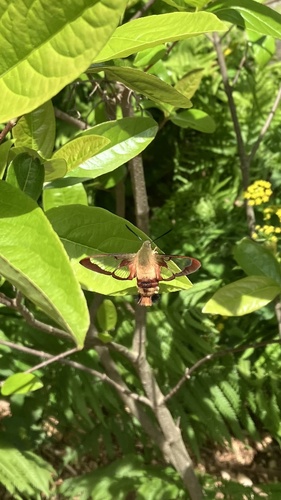
The Hummingbird Hawk-Moth has a stout, furry, olive-brown body with a reddish-brown band near its tail. Its wings are mostly clear with dark edges, and the hindwings have a distinctive reddish tint. This moth looks strikingly similar to a hummingbird, but it's an insect!
Category
InsectsRarity
Common
Danger
2/5 · Low
Snaps
11
Hummingbird Hawk-Moths can fly backward while hovering, a tricky maneuver few insects can do.
Some Hummingbird Hawk-Moths can migrate thousands of kilometers to warmer climates for winter.
Their wings beat so fast, they make a humming sound just like a hummingbird!
They use their feet to 'taste' flowers before deciding to feed on their nectar.
Hummingbird Hawk-Moth can hover perfectly still while feeding because of its incredibly fast-beating wings that provide precise aerial control.
Hummingbird Hawk-Moth has a super long proboscis that helps them reach deep inside flowers to sip nectar others can't.
Hummingbird Hawk-Moth can fly and forage actively during the day, unlike most moths, because they navigate well in bright light.
These fuzzy moths drink sweet nectar from colorful flowers using their amazing, long straw-like tongues.
Age differences: Larvae (caterpillars) munch on leaves of host plants, while adult moths feed solely on nectar.
Lonicera dioica
Caterpillars feed on its leaves.
Phlox paniculata
Adult moths drink its nectar.
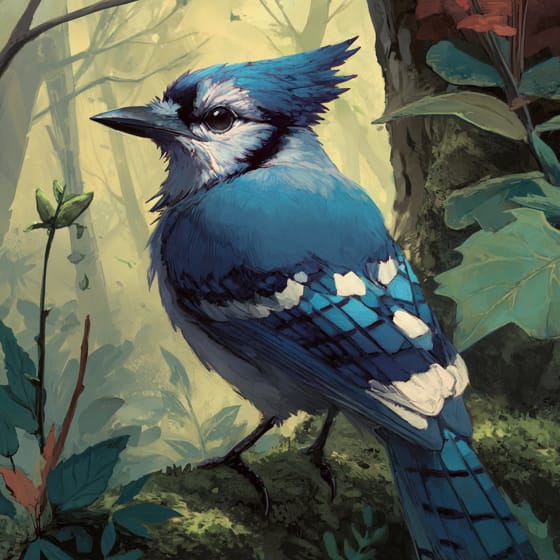
Cyanocitta cristata
Birds might prey on moths.
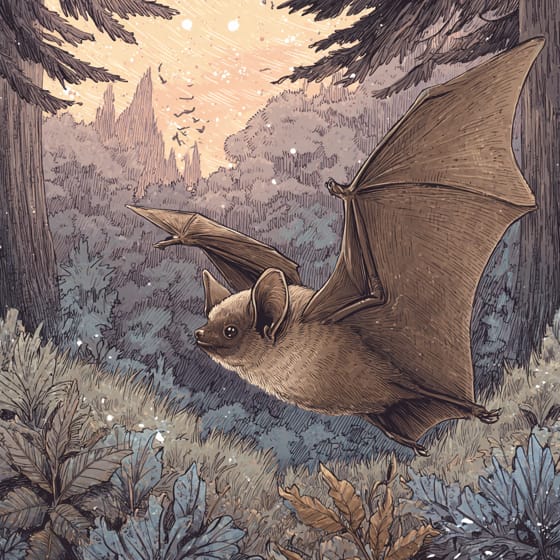
Myotis lucifugus
Bats hunt adult moths at dusk.
Wildlife encompasses all undomesticated animal and plant life existing in their natural habitats.
Colorful describes organisms or objects displaying a wide range of bright and distinct colors.
This trait characterizes organisms whose diet consists entirely or primarily of plant material.
Diurnal animals are primarily active during daylight hours, typically resting or sleeping at night.

Pertaining to species that are significantly smaller than typical or average for their kind.

Describes organisms that transfer pollen, enabling the fertilization and reproduction of plants.
Danger
2/5 · Low
Do not touch or pick up. Some insects sting or bite. Ask an adult for help.
The easiest way to identify Hummingbird Hawk-Moth is to use the Snappit nature identifier app.
40-55 mm
35-50 mm
20-40 days
25 km/h
These fuzzy moths drink sweet nectar from colorful flowers using their amazing, long straw-like tongues.
Gardens and fields
Foraging
Zoom in to split clusters and explore where this object has been snapped.
Jun 2, 2026
Winter IslandPhoto attribution
no rights reserved
License: CC0 1.0 ↗
Image may be shown cropped inside the card frame.

North Carolina, US
You might spot American Robin and Eastern Gray Squirrel.
View guide →

Florida, US
You might spot White Ibis, Green Iguana, and Black-Crowned Night Heron.
View guide →

Illinois, US
You might spot Common Milkweed and Common Eastern Bumble Bee.
View guide →

Ohio, US
You might spot Canada Goose and Common Eastern Bumble Bee.
View guide →

North Carolina, US
You might spot Lesser Celandine, Bloodroot, and Little Sweet Betsy.
View guide →

Alabama, US
You might spot Red Buckeye, Gray Ratsnake, and Sycamore Tussock Moth.
View guide →
Take the discovery with you
Snap it with Snappit to identify it, learn what makes it special, and add the discovery to your collection.








.jpg&width=800)



