Garden Spider
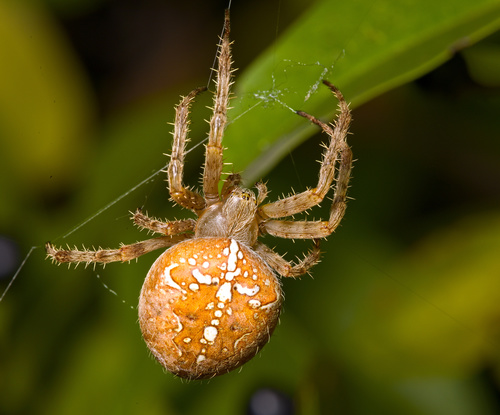
The East Duwamish Greenbelt offers a unique and vital natural escape within the bustling city of Seattle.
The East Duwamish Greenbelt offers a unique and vital natural escape within the bustling city of Seattle. This lush, forested area, nestled on the western slope of Beacon Hill, acts as a crucial natural buffer, providing a serene environment with its dense canopy and diverse wildlife. It's a testament to urban nature, inviting visitors to discover a world teeming with life, from towering trees to tiny pollinators, all while contributing to the ecological health of the city.
Winding through its verdant expanse, visitors can discover a rich tapestry of flora, including majestic western redcedar and native Oregon grape, alongside charming fringed willowherb and broad-leaved sweet pea. The greenbelt is a haven for wildlife, where keen observers might spot the intelligent American Crow, the vibrant Steller's Jay, or the subtle Dark-eyed Junco flitting among the branches. On the forest floor, listen for the calls of the Pacific chorus frog, and with a bit of luck, you might glimpse a Northern Alligator Lizard or a scurrying Eastern Gray Squirrel. The buzzing presence of Yellow-faced Bumble Bees and California Bumble Bees highlights the area's role as an important pollinator habitat.
Visiting the East Duwamish Greenbelt is an opportunity to reconnect with nature's tranquility and witness the power of community-led conservation efforts. It's a memorable destination for anyone seeking a peaceful walk, a chance to observe urban wildlife, or simply a refreshing break from city life, proving that even in the heart of an urban landscape, wild beauty can thrive and inspire. Be ready to snap and learn! Get the Snappit app to identify any nature species you find here.
The East Duwamish Greenbelt has a complex history, once widely known as "The Jungle" due to issues with homelessness, crime, and neglect, particularly in areas beneath the I-5 corridor. For years, sections of the greenbelt suffered from extensive trash accumulation and lack of maintenance. This public image discouraged many from exploring its natural beauty. However, a significant shift began around 2011 when community members, the Washington Native Plant Society, Seattle Parks Department, and the nonprofit Forterra united under the Green Seattle Partnership. Their concerted efforts have focused on restoring the ecological integrity of the green space, aiming to transform it into a healthy urban forest where the community can safely walk, play, and connect with nature. These ongoing restoration projects involve removing invasive plants, planting native species, and developing accessible walking trails.
Each card links to a full Explore page with photos, traits, and fun facts.
Start with the big picture, then zoom in to explore individual wildlife observations around this place.
Stay on Marked Paths
For your safety and to protect delicate restoration areas, always stick to designated trails.
Go During Daylight Hours
Visit during the day for the best visibility and experience.
Bring Binoculars and a Camera
Enhance your wildlife viewing and capture the natural beauty.
Wear Appropriate Footwear
Trails can be uneven or muddy, so sturdy walking shoes are recommended.
Leave No Trace
Pack out everything you pack in to help maintain the greenbelt's cleanliness and ecological health.
Be Aware of Your Surroundings
As an urban green space, general awareness is always a good practice.
Jan 11, 2026
Nov 2, 2025
Sep 7, 2025
Aug 29, 2025
Aug 28, 2025

Maryland, US
You might spot White-Tailed Deer and Eastern Gray Squirrel.
View guide →
.jpg)
District of Columbia, US
You might spot Eastern Gray Squirrel, Duck, and House Sparrow.
View guide →

Illinois, US
You might spot American Robin, Canada Goose, and House Sparrow.
View guide →

Virginia, US
You might spot Spotted Lanternfly and Northern Cardinal.
View guide →
Take the discovery with you
Identify the wildlife you spot, learn as you go, and keep a collection of the adventure.