




Fourwing Saltbush
Atriplex canescens
Fourwing Saltbush is a tough plant that grows in dry places. It has soft, silvery leaves and small, winged seeds that look like tiny sails. This plant helps the soil and provides food for animals.
Habitat: Desert
The Fourwing Saltbush is a hardy shrub with a dense, rounded shape and distinctive silvery-green or gray-green leaves. Its most unique feature is its papery, pale-yellow to pinkish, four-winged seeds that cling to the branches.
Category
PlantsRarity
Common
Danger
1/5 · Very low
Snaps
3
Ancient Pueblo people ground its seeds into flour for baking!
Its leaves can be used to make a soapy lather, useful in the desert!
Many kinds of animals, from birds to deer, rely on it for food!
This tough plant helps stop soil from washing away in windy places.
Fourwing Saltbush can grow in very salty soil because its roots and leaves handle high salt levels, helping it thrive where other plants can't.
Fourwing Saltbush has super deep roots that can reach water far underground, helping it survive long droughts in dry desert lands.
Fourwing Saltbush has special four-winged seeds that catch the wind, helping them fly far away to find new places to grow.
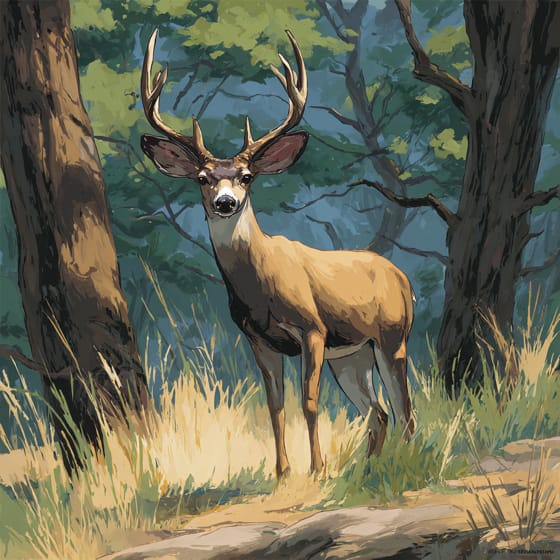
Odocoileus hemionus
Leaves and twigs are a food source
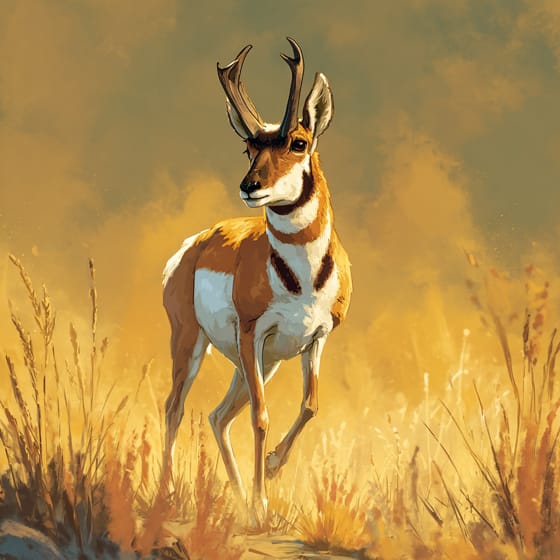
Antilocapra americana
Important browse in arid environments
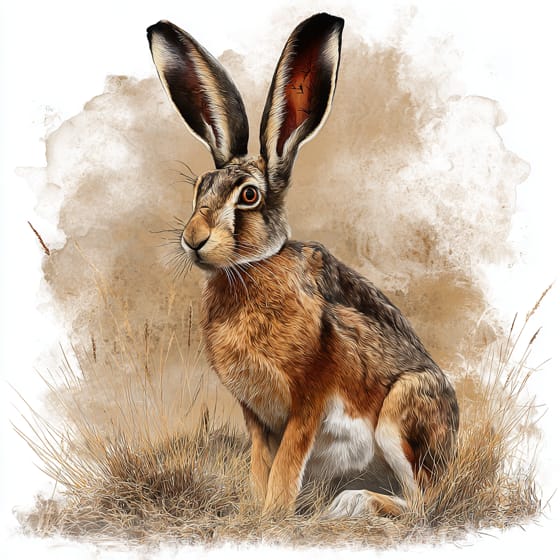
Lepus californicus
Provides food and cover
Dipodomys merriami
Uses shrubs for cover and protection

Junco hyemalis
Nests within its branches
Describes organisms capable of converting atmospheric nitrogen into compounds usable by plants.
A shrub is a woody plant smaller than a tree, typically with multiple stems branching from or near the ground.
Evergreen plants retain their foliage throughout the year, never shedding all their leaves at once.
Salt tolerant plants can withstand and grow in conditions with elevated salinity levels in the soil or water.

Drought-tolerant plants can survive and flourish in conditions with limited water availability.

Edible plants are those parts of a plant that are considered safe for human consumption.

Desert habitats are arid regions characterized by extremely low precipitation and often extreme temperatures, supporting specialized flora and fauna.
No aliases listed yet.
Danger
1/5 · Very low
Always look but don't touch plants without asking an adult first.
The easiest way to identify Fourwing Saltbush is to use the Snappit nature identifier app.
50-300 cm
100-250 cm
Late spring to fall (May-October)
Yes
None
Perennial
Wind
Zoom in to split clusters and explore where this object has been snapped.

Texas, US
You might spot Texas Rainbow Cactus, Ocotillo, and Greater Earless Lizard.
View guide →

New Mexico, US
You might spot Common Side-Blotched Lizard and Kingcup Cactus.
View guide →

New Mexico, US
You might spot Tree Cholla, Mule Deer, and Sacred Datura.
View guide →

New Mexico, US
You might spot Common Raven, House Sparrow, and Fourwing Saltbush.
View guide →

New Mexico, US
You might spot Texas Rainbow Cactus, Giant Desert Centipede, and Ocotillo.
View guide →

Arizona, US
You might spot Common Raven, Plateau Fence Lizard, and Fourwing Saltbush.
View guide →
Take the discovery with you
Snap it with Snappit to identify it, learn what makes it special, and add the discovery to your collection.









.jpg&width=800)



_001.jpg&width=800)


