





Rhaphiolepis
rhaphiolepis
Rhaphiolepis is a beautiful flowering plant that can brighten up any garden! Its lovely blossoms attract butterflies and bees, making it a fun spot for kids to explore nature.
Habitat: Rhaphiolepis typically grows in gardens, parks, and natural landscapes.
The Rhaphiolepis has glossy, dark green, leathery leaves often with serrated edges. It produces clusters of small, fragrant, star-shaped flowers, typically white or pink, followed by small, dark blue to black berries. Its dense, evergreen foliage provides year-round color.
Category
PlantsRarity
Common
Danger
0/5 · No known danger
Snaps
Be the first to snap!
Its yummy berries are a favorite snack for many different birds!
New Rhaphiolepis leaves often emerge with a beautiful reddish-bronze tint!
The plant's flowers give off a sweet perfume that attracts buzzing bees!
This amazing plant can live to be several decades old!
Rhaphiolepis has tough, leathery leaves that minimize water loss, helping it survive dry spells with less water.
Rhaphiolepis can thrive in coastal areas because its roots and foliage tolerate salty soil and sea spray.
Rhaphiolepis keeps its leaves all year round, allowing it to photosynthesize even during colder seasons.
Apis mellifera
visits its fragrant flowers for nectar and pollen
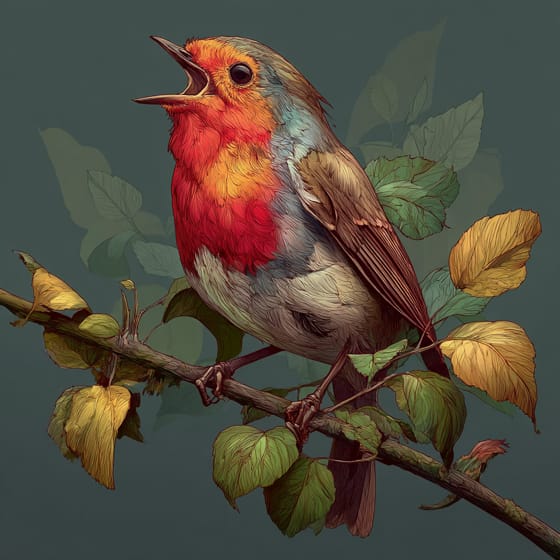
Turdus migratorius
feasts on the small, dark berries
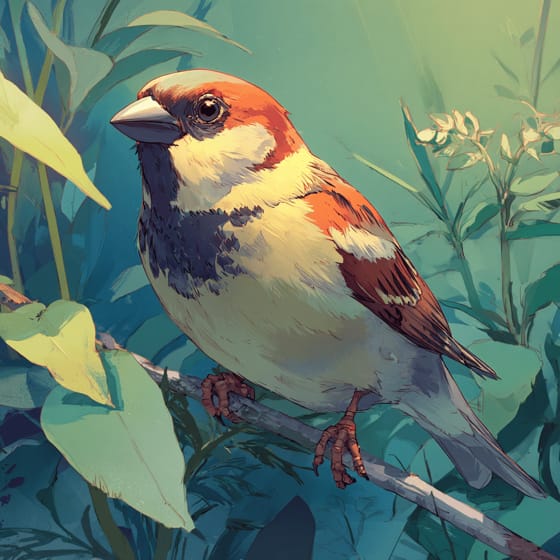
Passer domesticus
often nests within its dense, protective foliage
Social animals live in organized groups, cooperating for survival benefits such as foraging, defense, and raising offspring.
Colorful describes organisms or objects displaying a wide range of bright and distinct colors.
This trait characterizes organisms whose diet consists entirely or primarily of plant material.
Forest habitats are terrestrial environments dominated by dense tree cover, supporting a high diversity of plant and animal life.

Describes organisms that transfer pollen, enabling the fertilization and reproduction of plants.
Danger
0/5 · No known danger
No special safety notes yet.
The easiest way to identify Rhaphiolepis is to use the Snappit nature identifier app.
100-200 cm
100-200 cm
1-2 cm
Late Winter to Spring
Yes
None
Perennial
Zoom in to split clusters and explore where this object has been snapped.
Recent snaps will appear here as new observations are added.
Take the discovery with you
Snap it with Snappit to identify it, learn what makes it special, and add the discovery to your collection.




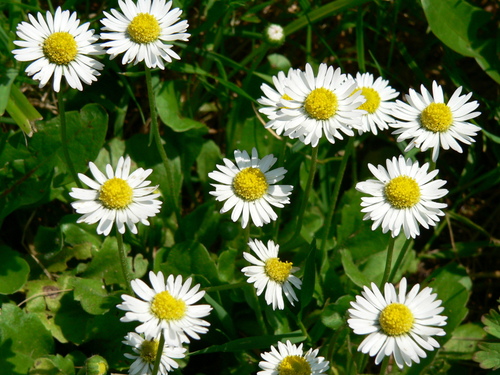




.jpg&width=800)



_001.jpg&width=800)




