





Rocky Mountain Juniper
Juniperus scopulorum
The Rocky Mountain Juniper is a small tree or shrub with beautiful greenish-blue berries. It grows in rocky places and is great for wildlife, providing food and shelter.
Habitat: Mountain regions
The Rocky Mountain Juniper is an evergreen tree or large shrub with a distinct conical or irregular shape. It has tiny, scale-like, blue-green needles pressed against its reddish-brown, shredding bark. Its small, round, waxy 'berries' are a striking bluish-purple.
Category
PlantsRarity
Common
Danger
1/5 · Very low
Snaps
8
Its fragrant wood is naturally moth-repellent, often used to line old-fashioned clothes chests!
Its roots can stretch deep underground, anchoring it firmly on windy mountain slopes!
The 'berries' are actually cones with fused scales, taking two years to ripen!
This juniper can grow in very poor soil where other trees simply cannot survive!
Rocky Mountain Juniper has thick, waxy scales instead of leaves that help it store water and survive in dry, rocky places.
This juniper can withstand harsh winds and freezing temperatures, allowing it to thrive in tough, high-altitude environments.
Its 'berries' contain aromatic oils that deter many herbivores, but attract birds who then spread its seeds far and wide.
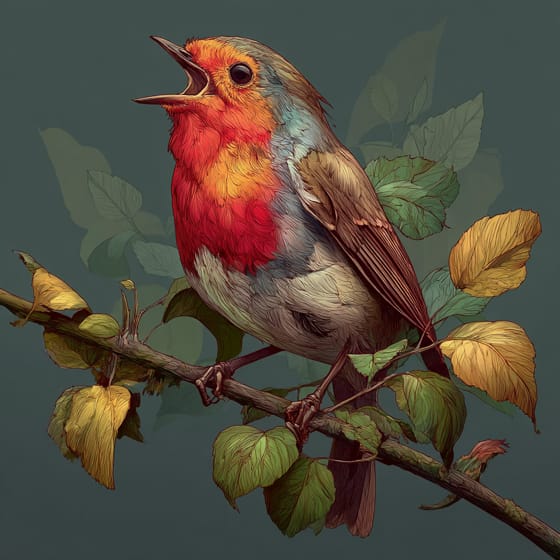
Turdus migratorius
Consumes its blue 'berries' in winter.
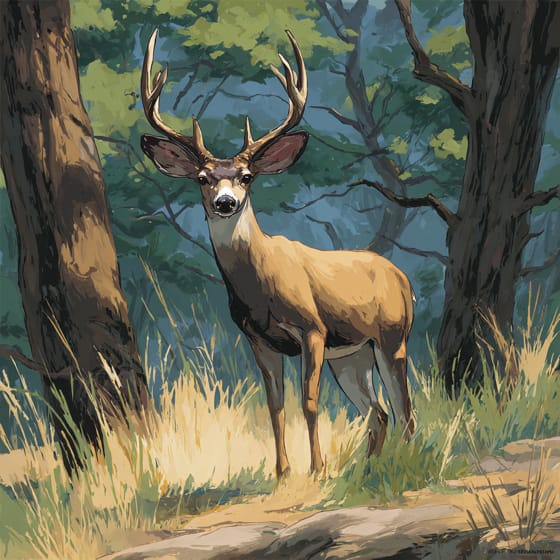
Odocoileus hemionus
Browses its foliage, especially during harsh winters.

Phainopepla nitens
Eats its 'berries' and aids in seed dispersal.

Vireo solitarius
Builds nests in its dense branches for cover.
Aromatic plants produce and emit fragrant volatile organic compounds, often for defense or to attract pollinators.
A shrub is a woody plant smaller than a tree, typically with multiple stems branching from or near the ground.
Cold hardy plants are able to withstand low temperatures and freezing conditions without significant damage.
Coniferous plants are typically evergreen, bearing needles or scales and reproductive cones.

Evergreen plants retain their foliage throughout the year, never shedding all their leaves at once.

Fruit-bearing plants produce fruits, which are the mature ovaries of flowering plants containing seeds.

Timber refers to wood that has been prepared for use in building and carpentry.

This habitat trait identifies species found in mountainous regions, characterized by high elevation, steep slopes, and varying climate zones.

This trait signifies organisms belonging to a very old evolutionary group with ancestors dating back millions of years.

This trait characterizes organisms with an exceptionally long lifespan compared to others of their kind.

Describes a species whose presence and role have a disproportionately large effect on its environment.
No aliases listed yet.
Danger
1/5 · Very low
Do not eat the berries without asking an adult, as some plants can be harmful.
The easiest way to identify Rocky Mountain Juniper is to use the Snappit nature identifier app.
300-1500 cm
150-600 cm
Yes
Mild
Perennial
Wind
Mountain regions
Zoom in to split clusters and explore where this object has been snapped.

New Mexico, US
You might spot Tree Cholla, Colorado Pinyon, and House Finch.
View guide →

Utah, US
You might spot Common Golden-Mantled Ground Squirrel and Steller's Jay.
View guide →

Utah, US
You might spot Common Golden-Mantled Ground Squirrel and Steller's Jay.
View guide →

Colorado, US
You might spot Common Starlily and Wholeleaf Paintbrush.
View guide →

New Mexico, US
You might spot Tree Cholla, Colorado Pinyon, and Apache Plume.
View guide →

Wyoming, US
You might spot Elk, Killdeer, and Black-Billed Magpie.
View guide →
Take the discovery with you
Snap it with Snappit to identify it, learn what makes it special, and add the discovery to your collection.









.jpg&width=800)



_001.jpg&width=800)


