





Oriental false hawksbeard
Youngia japonica
The Oriental false hawksbeard is a small, bright yellow flower that blooms in spring and summer. It grows in many places and is often found in gardens and fields, adding a splash of color to the landscape.
Habitat: Urban areas
The Oriental false hawksbeard has bright yellow, daisy-like flowers with many narrow petals, often clustered at the top of slender stems. Its basal leaves form a rosette, sometimes with purplish veins. This distinguishes it from common dandelions.
Category
PlantsRarity
Common
Danger
1/5 · Very low
Snaps
4
Even in winter, it can flower if the weather stays mild enough!
Its tough little seeds have tiny parachutes to fly on the wind!
This plant is a global traveler, found on almost every continent!
Wow! You can actually eat the young leaves of this plant!
Oriental false hawksbeard can release tiny, fluffy seeds that catch the wind, helping it travel far and grow in many new places.
Oriental false hawksbeard has a quick growth cycle, allowing it to rapidly colonize disturbed soil and quickly produce new flowers.
Oriental false hawksbeard can regrow from its root crown even after being cut, helping it bounce back in tough spots.
Apis mellifera
for nectar and pollen
Spodoptera litura
larvae feed on its leaves
Tetranychus urticae
as a food source for mites
Puccinia youngiae
causes rust disease on leaves
Flowering plants are any plants that produce flowers as part of their reproductive cycle.
Spring blooming plants produce their flowers during the spring season, often signifying the end of winter and the start of new growth.
Summer blooming plants produce their flowers during the summer season, often providing vibrant color when many other plants have finished.
Colorful describes organisms or objects displaying a wide range of bright and distinct colors.

Describes plants that are particularly attractive and beneficial to a wide range of pollinating organisms.

Rapid growing plants exhibit accelerated growth rates, quickly increasing in size and biomass within a short period.

This habitat trait indicates species that can coexist with humans in urban and suburban environments, utilizing man-made structures and green spaces.
No aliases listed yet.
Danger
1/5 · Very low
Always look but don't pick flowers unless you have permission.
The easiest way to identify Oriental false hawksbeard is to use the Snappit nature identifier app.
10-60 cm
0.5-1.5 cm
Spring through Fall, year-round in warm climates
Yes
None
Annual
Insect
Zoom in to split clusters and explore where this object has been snapped.

Georgia, US
You might spot Common Vetch, Tiny Bluet, and Carolina Crane's-Bill.
View guide →

Georgia, US
You might spot Gulf Fritillary, Anole, and American Beautyberry.
View guide →

Alabama, US
You might spot Eastern Box Turtle, Carolina Wren, and Field Sparrow.
View guide →

Alabama, US
You might spot Painted Bunting, House Finch, and Red-Shouldered Hawk.
View guide →

Maryland, US
You might spot Common Pawpaw and Feather-Edged Petrophila.
View guide →
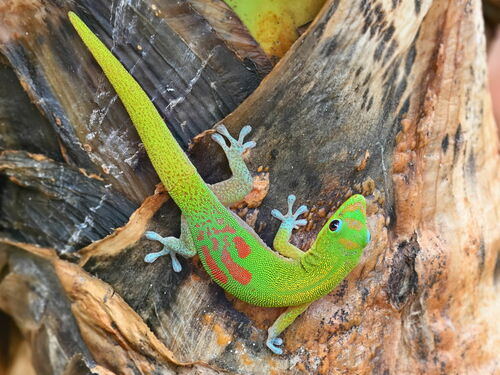
Hawaii, US
You might spot Gold Dust Day Gecko, Sea Turtle, and Brown Anole.
View guide →
Take the discovery with you
Snap it with Snappit to identify it, learn what makes it special, and add the discovery to your collection.








.jpg&width=800)



_001.jpg&width=800)




