

Rhodora
rhododendron canadense
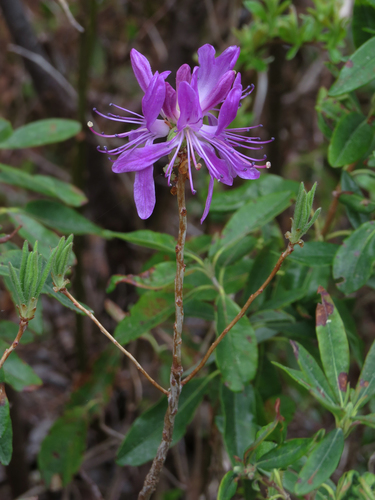
Rhodora (Rhododendron canadense) is a deciduous flowering shrub native to the cold, boggy regions of northeastern North America. Renowned for its breathtaking spring display, this hardy member of the heath family bursts into a vibrant cloud of pink-to-purple blossoms in early spring, often before its leaves have even begun to unfurl. This early bloom provides a crucial early-season nectar source for native pollinators emerging from hibernation. The shrub's delicate, deeply split flowers give it a unique, airy appearance quite distinct from its more robust rhododendron relatives. Its beauty in the barren, damp landscapes of early spring inspired Ralph Waldo Emerson to pen his famous poem, 'The Rhodora,' celebrating its solitary grace. Highly adapted to acidic, nutrient-poor wetland soils, this resilient plant plays an important role in stabilizing wetland margins and providing cover for small wildlife.
Habitat: Found in acidic bogs, wet meadows, rocky barrens, and damp coniferous woods of northeastern North America.
Rhodora is a low, multi-stemmed, deciduous shrub growing up to 1.2 meters tall with upright, twiggy branches. Its most striking feature is the clusters of showy, rose-pink to light purple flowers, each measuring about 2 to 3 centimeters across, featuring a deeply divided two-lipped corolla. The leaves, which typically develop during or after flowering, are narrow, oblong, and grayish-green, with fine hairs on their undersides and margins. In autumn, the foliage turns a soft, muted yellow to orange before dropping, leaving behind small, dry seed capsules that persist through the winter.
Category
PlantsRarity
Common
Danger
1/5 · Very low
Snaps
1
Its species name 'canadense' refers to Canada, highlighting its preference for cold, northern climates.
The famous American essayist Ralph Waldo Emerson wrote an entire poem dedicated to this flower, declaring that 'beauty is its own excuse for being'.
Unlike typical rhododendrons that have 10 stamens, Rhodora flowers uniquely possess exactly 10 stamens but are distinguished by their deeply divided, two-lipped petals that look like butterfly wings.
Blossoms exceptionally early in the spring, often when snow is still on the ground, allowing it to dominate the early pollinator market.
Partners with specialized ericoid mycorrhizal fungi to extract vital nutrients from highly acidic, nutrient-poor soils.
Produces grayanotoxins in its foliage and nectar, deterring most mammalian herbivores from feeding on its leaves.
As a photosynthetic plant, Rhodora synthesizes its own sugars from carbon dioxide, water, and sunlight, aided by specialized root fungi to absorb scarce soil nutrients.
Bombus ternarius
Pollinated early in spring when other floral resources are scarce.
Lepus americanus
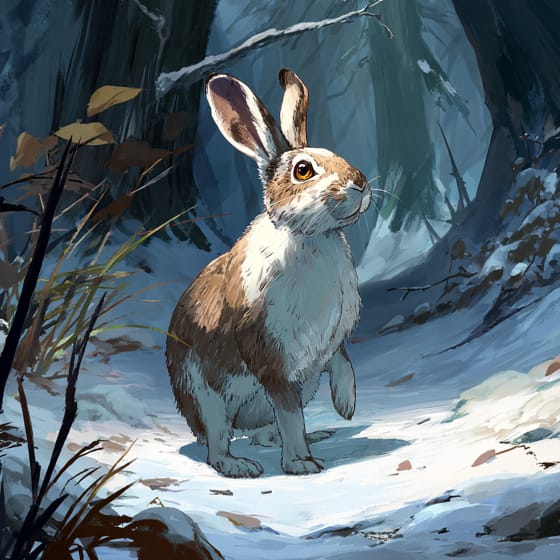
Occasionally browses on young twigs during hard winters despite toxicity.
Oidiodendron maius
Utilizes symbiotic relationship to gain nitrogen and minerals in poor soils.
No trait badges are assigned for this object yet.
No aliases listed yet.
Collections for this object will appear here as more themes are added.
Danger
1/5 · Very low
No special safety notes yet.
The easiest way to identify Rhodora is to use the Snappit nature identifier app.
30-120 cm
15-40 years
As a photosynthetic plant, Rhodora synthesizes its own sugars from carbon dioxide, water, and sunlight, aided by specialized root fungi to absorb scarce soil nutrients.
Found in acidic bogs, wet meadows, rocky barrens, and damp coniferous woods of northeastern North America.
Zoom in to split clusters and explore where this object has been snapped.

Maine, US
You might spot Ghost Pipe, Pink Lady's Slipper, and Bluebead Lily.
View guide →

Massachusetts, US
You might spot Rhodora, Eastern Newt, and Partridgeberry.
View guide →

Massachusetts, US
You might spot Rhodora, Eastern Newt, and Partridgeberry.
View guide →

Maine, US
You might spot Jack Pine, Lingonberry, and Sheep Laurel.
View guide →

Maine, US
You might spot Eastern Skunk Cabbage and Painted Turtle.
View guide →

New York, US
You might spot Mountain Laurel, Sheep Laurel, and Pearly Everlasting.
View guide →
Take the discovery with you
Snap it with Snappit to identify it, learn what makes it special, and add the discovery to your collection.











.jpg&width=800)



_001.jpg&width=800)




