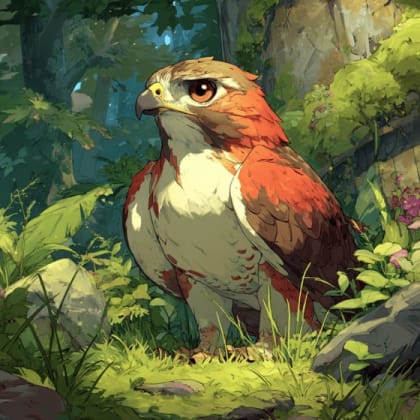
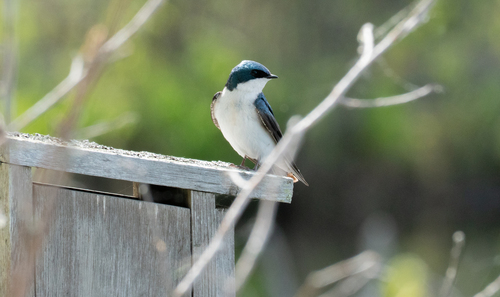
Osprey

Discover Freeport's rich maritime heritage along the scenic Harraseeket River.
Discover Freeport's rich maritime heritage along the scenic Harraseeket River.
The Harraseeket Historic District is a captivating journey through time, encompassing a sprawling 6,000-acre landscape that preserves the essence of early New England life and its profound connection to the sea. Designated on the National Register of Historic Places in 1974, this district is not merely a collection of old buildings, but a living testament to centuries of shipbuilding, trade, and community development. It gracefully weaves together three distinct maritime villages—Mast Landing, Porter's Landing, and South Freeport—along with the rural charm of Wolfe's Neck, all situated along the tidal Harraseeket River as it flows into Casco Bay.
Visitors can explore a diverse array of architectural styles, predominantly dating from the late 18th and 19th centuries, including elegant Federal and stately Greek Revival homes. Highlights include the remarkably preserved Pettengill House and Farm, a quintessential New England saltbox house known for its unique etchings of ships and sea monsters, and the equally charming Captain Greenfield Pote House, another fine example of saltbox architecture. The district also features the Queen Anne style South Freeport Congregational Church, the Greek Revival-Italianate Ambrose Curtis House, and the remnants of the historic Casco Castle stone tower, each telling a piece of Freeport's storied past.
Wandering through the Harraseeket Historic District offers more than just a history lesson; it's an immersive experience that transports you to a bygone era of maritime enterprise and coastal living. The picturesque streetscapes, historic homes, and serene river views provide ample opportunities for photography and quiet reflection. It's a memorable destination for anyone seeking to understand Maine's deep roots in seafaring and appreciate the enduring beauty of its architectural heritage. Explore the grounds like a pro—download the Snappit app to instantly identify animals and plants.
European settlers began arriving in the Freeport area in the 1600s, though significant development along the Harraseeket River didn't gain momentum until the latter half of the 1700s. Mast Landing quickly emerged as a critical hub, facilitating the shipment of massive timber to England for ship masts as early as 1753, a lucrative industry crucial for the British Crown's navy. The region's economy was diversified by other maritime industries such as fishing, shipbuilding, and later canning, particularly in South Freeport and Porter's Landing. The district's buildings largely reflect this active period from the late eighteenth through the nineteenth centuries, showcasing a progression of architectural styles. The Harraseeket Historic District was officially recognized for its historical significance and added to the National Register of Historic Places on June 28, 1974.
Take a self-guided walking tour using resources from the Freeport Historical Society, explore the various village centers, and enjoy the scenic views along the Harraseeket River and Casco Bay. Hike the trails at Wolfe's Neck Woods State Park for coastal panoramas.
Autumn brings vibrant fall foliage, perfect for photography. Summer allows for boating, kayaking, and enjoying the coastal environment.
While specific universal accessibility details for every historic building may vary, some areas like Pettengill Farm and Wolfe's Neck Woods State Park offer walking trails suitable for general exploration.
Explore this well-preserved saltbox house and its surrounding 140 acres of fields, woods, and salt marsh. Don't miss the historic etchings (sgraffitti) on its interior plaster walls.
A mid-18th-century saltbox house that has undergone few alterations, offering an authentic glimpse into early colonial life.
Discover the largest concentration of historic resources, including the Queen Anne style South Freeport Congregational Church (1884) and the architecturally interesting Ambrose Curtis House (Greek Revival-Italianate).
Admire cohesive groupings of Federal and Greek Revival housing, including the unique Lane-Porter House.
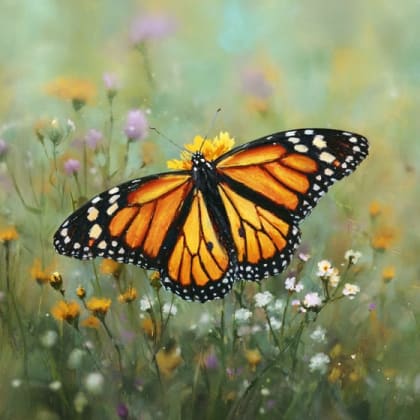
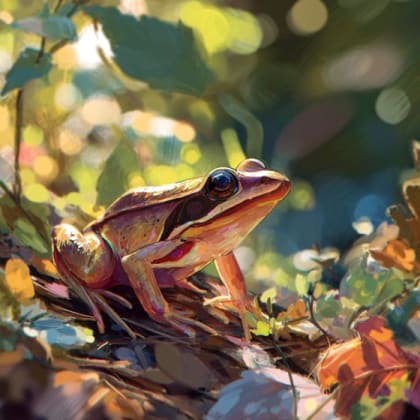
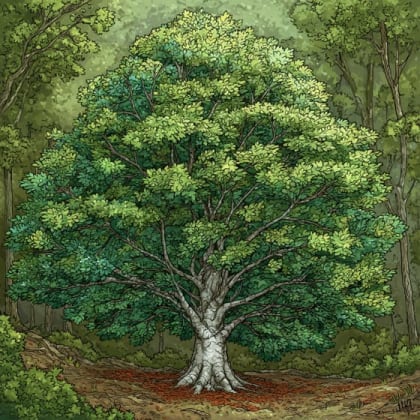
Each card links to a full Explore page with photos, traits, and fun facts.
Start with the big picture, then zoom in to explore individual wildlife observations around this place.
Wear comfortable shoes
** Much of the exploration is on foot, especially if you plan to walk through the villages and trails.
Bring a camera
The historic architecture, coastal scenery, and unique details of the old homes offer fantastic photographic opportunities.
Consult the Freeport Historical Society
Their website or visitor center may offer maps, brochures, or information on guided or self-guided tours of the district and specific properties.
Allow ample time
Given the district's size and the number of points of interest, allocate several hours or even a full day for a comprehensive visit.
Consider binoculars
For birdwatching along the Harraseeket River or observing details of distant historical structures.
Pack a picnic
Enjoy the scenic coastal views at spots like Wolfe's Neck Woods State Park.
May 23, 2026
Photo attribution
no rights reserved
License: CC0 1.0 ↗
Image may be shown cropped inside the card frame.
May 23, 2026
Photo attribution
no rights reserved
License: CC0 1.0 ↗
Image may be shown cropped inside the card frame.
May 23, 2026
Photo attribution
no rights reserved
License: CC0 1.0 ↗
Image may be shown cropped inside the card frame.
May 23, 2026
Photo attribution
no rights reserved
License: CC0 1.0 ↗
Image may be shown cropped inside the card frame.
May 23, 2026
Photo attribution
no rights reserved
License: CC0 1.0 ↗
Image may be shown cropped inside the card frame.

Maryland, US
You might spot White-Tailed Deer and Eastern Gray Squirrel.
View guide →
.jpg)
District of Columbia, US
You might spot Eastern Gray Squirrel, Duck, and House Sparrow.
View guide →

Illinois, US
You might spot American Robin, Canada Goose, and House Sparrow.
View guide →

Virginia, US
You might spot Spotted Lanternfly and Northern Cardinal.
View guide →
Take the discovery with you
Identify the wildlife you spot, learn as you go, and keep a collection of the adventure.