





Mexican buckeye
Ungnadia speciosa
The Mexican buckeye is a lovely shrub with beautiful pink flowers and shiny seeds. It grows in warm areas and is a favorite among butterflies and bees!
Habitat: Desert
The Mexican buckeye has showy clusters of fragrant, crinkled pink flowers that emerge before its shiny, bright green leaves. Its distinctive reddish-brown seed capsules split open to reveal three shiny, dark brown seeds that resemble true buckeyes.
Category
PlantsRarity
Common
Danger
2/5 · Low
Snaps
2
Despite its name, it's not a true buckeye, but a close cousin!
Its shiny seeds are sometimes polished to make pretty necklaces.
The scientific name, Ungnadia, honors a German ambassador!
This tough plant can live for many, many years in the wild.
Mexican buckeye can survive long dry spells thanks to its deep root system that finds water far below ground.
Its hard, woody seed pods split open to release seeds, protecting them until conditions are just right for dispersal.
The Mexican buckeye produces fragrant, nectar-rich pink flowers, acting like a beacon to attract busy bees and butterflies.
Apis mellifera
Visits flowers for nectar and pollen.

Bombus impatiens
Helps carry pollen between its lovely pink blossoms.
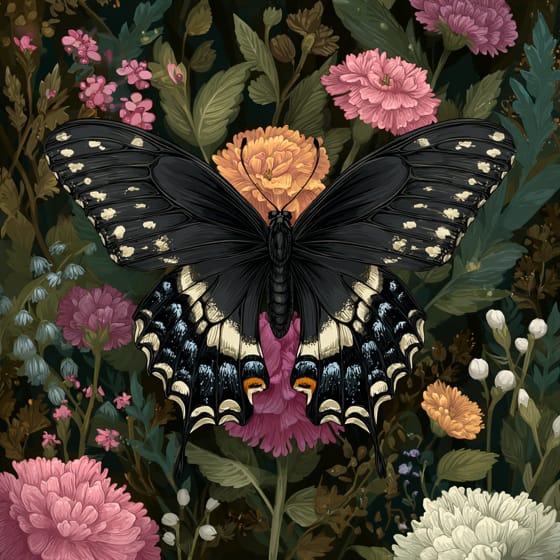
Papilio polyxenes
Attracted to the bright flowers for sweet nectar.
Deciduous plants periodically shed all their leaves, typically during autumn or dry seasons.
Flowering plants are any plants that produce flowers as part of their reproductive cycle.
A shrub is a woody plant smaller than a tree, typically with multiple stems branching from or near the ground.
Spring blooming plants produce their flowers during the spring season, often signifying the end of winter and the start of new growth.

Drought-tolerant plants can survive and flourish in conditions with limited water availability.

Fall color refers to the seasonal change in foliage pigmentation, primarily in deciduous plants, displaying vibrant hues.

Describes plants that are particularly attractive and beneficial to a wide range of pollinating organisms.

Desert habitats are arid regions characterized by extremely low precipitation and often extreme temperatures, supporting specialized flora and fauna.
No aliases listed yet.
Danger
2/5 · Low
Don't eat the seeds, as they can be harmful. Always look but don't touch!
The easiest way to identify Mexican buckeye is to use the Snappit nature identifier app.
400-600 cm
300-500 cm
1-2 cm
Spring
No
High
Perennial
Zoom in to split clusters and explore where this object has been snapped.

Texas, US
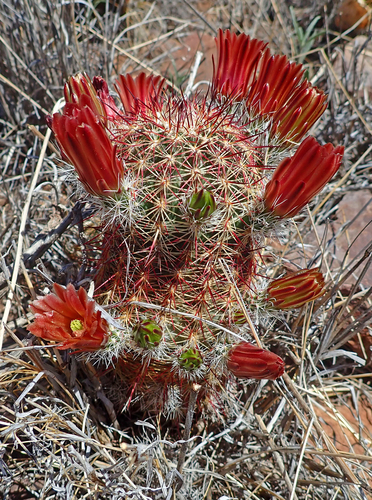
You might spot Texas Hedgehog Cactus, Ornate Tree Lizard, and Cactus Wren.
View guide →
Texas, US
You might spot Texas Hedgehog Cactus, Cactus Wren, and Ornate Tree Lizard.
View guide →

Texas, US
You might spot Greater Earless Lizard and Tree Cholla.
View guide →

Texas, US
You might spot Mexican Buckeye, Agarita, and Monarch.
View guide →

New Mexico, US
You might spot Ocotillo, Texas Mountain Laurel, and Agarita.
View guide →

Texas, US
You might spot Evergreen Sumac, Lindheimer's Silktassel, and Ashe Juniper.
View guide →
Take the discovery with you
Snap it with Snappit to identify it, learn what makes it special, and add the discovery to your collection.







.jpg&width=800)



_001.jpg&width=800)




