





Rio Grande Chirping Frog
Eleutherodactylus campi
The Rio Grande Chirping Frog is a small, lively frog known for its cheerful chirping sounds. These frogs love to hop around in wet areas and are great at blending in with their surroundings.
Habitat: Wetlands
The Rio Grande Chirping Frog is a small, flattened amphibian, typically tan, brown, or grayish-brown, often with darker spots. Some individuals have a faint light stripe down their back, helping them blend perfectly into leaf litter.
Category
AmphibiansRarity
Common
Danger
1/5 · Very low
Snaps
1
Their calls sound so much like crickets, you might not know it's a frog!
These tiny frogs are the smallest known frog species in Texas!
They are nocturnal, meaning they are most active when you're sleeping!
They don't need a pond to breed; their babies hatch right on land!
The Rio Grande Chirping Frog has Direct Development, where eggs hatch into tiny froglets, completely skipping the tadpole stage, which lets them live away from open water.
Rio Grande Chirping Frogs can blend in perfectly with their mottled brown and grey skin, helping them hide from sharp-eyed predators in their habitat.
The Rio Grande Chirping Frog can make high-pitched, insect-like 'chirps' that are hard to pinpoint, making it tricky for predators to find them.
This tiny frog is a skilled hunter of super small bugs and other invertebrates!
Thamnophis proximus
A common snake predator in its habitat.
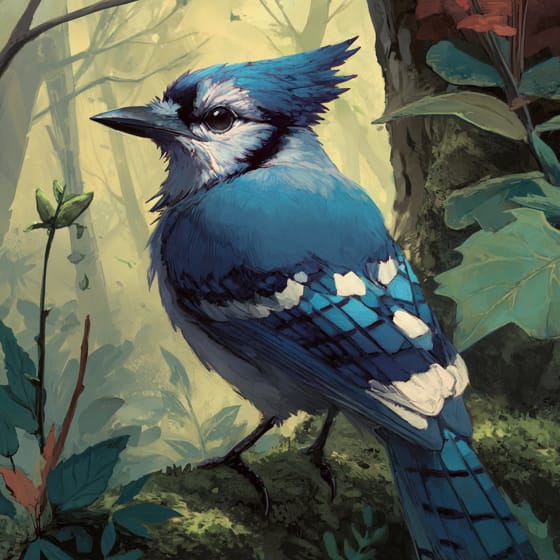
Cyanocitta cristata
Opportunistic bird predator that eats small amphibians.
Didelphis virginiana
A nocturnal mammal that preys on small frogs.
Singing animals produce complex vocalizations, often for purposes of attracting mates, defending territory, or communicating within their species.
Camouflaged describes organisms that possess coloring or patterns that allow them to blend into their environment.
This trait identifies organisms whose diet primarily consists of insects and other small invertebrates.
This habitat trait identifies species found in wetlands, which are areas of land saturated with water, either permanently or seasonally, including marshes, swamps, and bogs.

Diurnal animals are primarily active during daylight hours, typically resting or sleeping at night.

Freshwater habitats include non-saline aquatic environments such as rivers, lakes, ponds, and wetlands, vital for numerous species.

Pertaining to species that are significantly smaller than typical or average for their kind.

Describes organisms that transfer pollen, enabling the fertilization and reproduction of plants.

Endangered status indicates a species is at a very high risk of extinction in the wild in the near future.
No aliases listed yet.
Danger
1/5 · Very low
Always watch frogs from a distance and don't try to catch them.
The easiest way to identify Rio Grande Chirping Frog is to use the Snappit nature identifier app.
1.5-3 cm
0.001-0.005 kg
2-5 years
0.1 km/h
This tiny frog is a skilled hunter of super small bugs and other invertebrates!
Wetlands
Ambush
Zoom in to split clusters and explore where this object has been snapped.
Take the discovery with you
Snap it with Snappit to identify it, learn what makes it special, and add the discovery to your collection.





.jpg)




.JPG&width=800)


.jpg&width=800)

