





Oklahoma Salamander
Eurycea tynerensis
The Oklahoma Salamander is a small, colorful creature that loves to live in cool, wet places. It has a soft body and can be found hiding under rocks and leaves in its forest home.
Habitat: Forests
The Oklahoma Salamander is a slender amphibian, typically reddish-brown to yellowish with distinct dark spots often forming two faint stripes along its back. Its small, dark eyes provide a contrasting feature on its smooth skin.
Category
AmphibiansRarity
Common
Danger
1/5 · Very low
Snaps
Be the first to snap!
Instead of loud croaks, salamanders communicate with body language and subtle chemical signals!
Some can live over 10 years, tucked away in dark, cool spots deep underwater!
Their tiny, tooth-like structures help them grip wiggly insects and keep them from escaping!
This salamander is a natural water quality tester, thriving only in very clean streams!
The Oklahoma Salamander has delicate skin that helps it breathe underwater and on land, absorbing oxygen directly from its surroundings.
Oklahoma Salamander can regrow lost tails or limbs because of special cells that help them repair injuries and escape predators.
Oklahoma Salamander has a keen sense of smell and chemical detection that helps them find tiny prey and avoid danger underwater.
Oklahoma Salamanders are hunters that eat tiny insects and other small invertebrates they find in water.
Thamnophis sirtalis
Snakes sometimes find them hiding under rocks near streams.
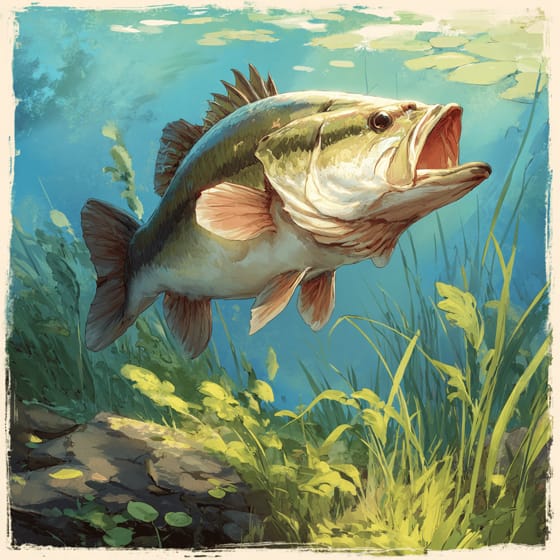
Micropterus salmoides
Larger fish may prey on them in shared aquatic habitats.
.jpg&width=800)
Gyrinophilus porphyriticus
Larger salamanders can sometimes prey on smaller ones.
Stenacron interpunctatum
Adults and larvae consume their aquatic larval stages.
Gammarus pseudolimnaeus
These tiny crustaceans are a common food source.
Solitary animals live alone for most of their lives, only interacting with others for mating or parental care.
Camouflaged describes organisms that possess coloring or patterns that allow them to blend into their environment.
Colorful describes organisms or objects displaying a wide range of bright and distinct colors.
This trait identifies organisms whose diet primarily consists of insects and other small invertebrates.

Forest habitats are terrestrial environments dominated by dense tree cover, supporting a high diversity of plant and animal life.

Regenerative organisms possess the ability to regrow lost or damaged body parts, tissues, or organs.

Nocturnal animals are primarily active during the nighttime hours, typically resting or sleeping during the day.

Endangered status indicates a species is at a very high risk of extinction in the wild in the near future.
No aliases listed yet.
Danger
1/5 · Very low
Always look but don't touch salamanders. They need their skin to stay moist!
The easiest way to identify Oklahoma Salamander is to use the Snappit nature identifier app.
7-11 cm
0.003-0.008 kg
3-8 years
0.1 km/h
Oklahoma Salamanders are hunters that eat tiny insects and other small invertebrates they find in water.
Forests
Ambush
Zoom in to split clusters and explore where this object has been snapped.
Recent snaps will appear here as new observations are added.
Take the discovery with you
Snap it with Snappit to identify it, learn what makes it special, and add the discovery to your collection.






.JPG&width=800)


.jpg&width=800)

