





River Kura Lizard
Darevskia portschinskii
The River Kura Lizard is a small, colorful lizard that loves to bask in the sun. It has a long tail and can often be found near rivers and streams, where it enjoys catching insects.
Habitat: Mountain regions
The River Kura Lizard is a slender reptile, typically greyish-brown or olive-green, often with rows of darker spots or stripes running down its back. Its belly is usually pale yellow or white, and its tail can be quite long, often twice the length of its body.
Category
ReptilesRarity
Common
Danger
1/5 · Very low
Snaps
Be the first to snap!
Many River Kura Lizards are all female and hatch babies without a dad!
Their super sensitive tongue helps them "smell" the world around them!
These speedy lizards can quickly change direction to escape tricky situations.
They spend their mornings warming up on sun-baked rocks to get energy.
River Kura Lizard can drop its tail when grabbed by a predator because it helps them escape and regrow a new one later.
River Kura Lizard can bask in the sun that helps them warm up their cold-blooded body and get energy to hunt for food.
River Kura Lizard can dart across rocky surfaces because of its agile body and strong claws that help it evade predators.
River Kura Lizard can lay eggs and reproduce all by itself without a male because it helps its species survive in certain areas.
These small lizards are insectivores, mostly eating tiny insects and other small invertebrates.
Falco tinnunculus
Bird of prey that hunts small reptiles.
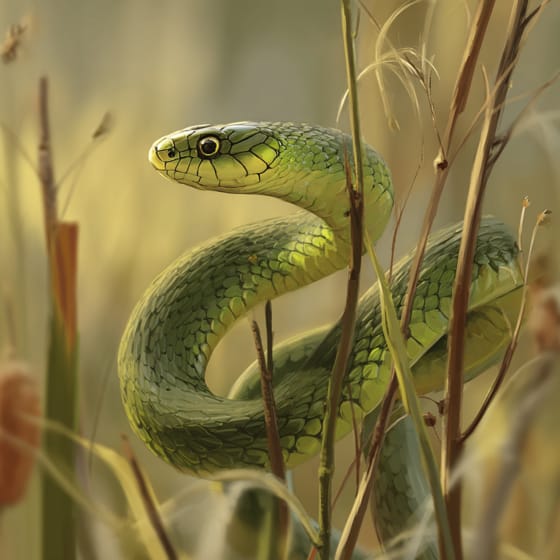
Natrix natrix
Common predator in its riverine habitat.
Formica rufa
A common food source for young lizards.
Tenebrio molitor
Adult beetles are a protein-rich meal.
Arboreal animals live primarily in trees, utilizing them for shelter, food, and protection from predators.
Camouflaged describes organisms that possess coloring or patterns that allow them to blend into their environment.
Colorful describes organisms or objects displaying a wide range of bright and distinct colors.
This trait identifies organisms whose diet primarily consists of insects and other small invertebrates.

This habitat trait identifies species found in mountainous regions, characterized by high elevation, steep slopes, and varying climate zones.

Diurnal animals are primarily active during daylight hours, typically resting or sleeping at night.

This trait identifies organisms that exhibit exceptional swiftness in movement for hunting, escape, or travel.
No aliases listed yet.
Danger
1/5 · Very low
Always watch lizards from a distance and don't try to catch them.
The easiest way to identify River Kura Lizard is to use the Snappit nature identifier app.
15-20 cm
0.005-0.015 kg
3-8 years
12 km/h
These small lizards are insectivores, mostly eating tiny insects and other small invertebrates.
Mountain regions
Foraging
Zoom in to split clusters and explore where this object has been snapped.
Recent snaps will appear here as new observations are added.
Take the discovery with you
Snap it with Snappit to identify it, learn what makes it special, and add the discovery to your collection.












