





Rough Bindweed
Smilax aspera
Rough Bindweed is a climbing plant with thick, green leaves and pretty white flowers. It loves to grow in sunny places and can wrap around other plants as it climbs up towards the sun.
Habitat: Urban areas
The Rough Bindweed is a scrambling, thorny vine with glossy, dark green, heart-shaped or triangular leaves. Its stems are armed with sharp prickles, giving it a distinctive 'rough' feel. Small, pale green to white flowers appear in clusters, later developing into bright red berries.
Category
PlantsRarity
Common
Danger
1/5 · Very low
Snaps
Be the first to snap!
Ancient people in some cultures used parts of this tough vine for medicine!
It can live for many years, making it a very durable and resilient plant!
Its name 'Smilax' comes from a Greek myth about a powerful nymph!
The plant's bright red berries are a vital winter feast for many birds!
Rough Bindweed has sharp prickles along its stems and leaves that help it cling to other plants and defend itself from grazing animals.
This vine can grow incredibly tall using its strong tendrils to wrap around trees and shrubs, reaching sunlight in dense forests.
The Rough Bindweed keeps its tough, leathery leaves all year long, allowing it to make food even when other plants lose theirs.
Turdus merula
Berries provide vital winter food for this bird.
Apis mellifera
Its small flowers are visited by bees for nectar and pollen.
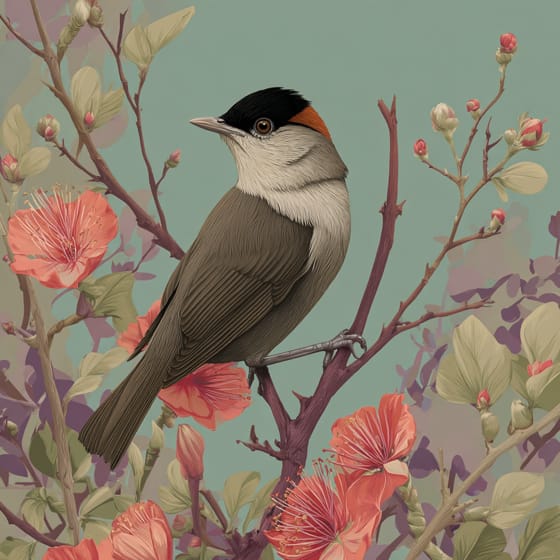
Sylvia atricapilla
Dense thorny vines offer protected nesting sites for small birds.
Climbing or vine plants are characterized by a growth habit that allows them to ascend upwards by twining, tendrils, or adhesive roots.
Flowering plants are any plants that produce flowers as part of their reproductive cycle.
Summer blooming plants produce their flowers during the summer season, often providing vibrant color when many other plants have finished.
Describes plants that are particularly attractive and beneficial to a wide range of pollinating organisms.

Possessing sharp, pointed projections or spines on the body or surface.

This habitat trait indicates species that can coexist with humans in urban and suburban environments, utilizing man-made structures and green spaces.
No aliases listed yet.
Danger
1/5 · Very low
Don't eat any plants unless an adult says it's safe!
The easiest way to identify Rough Bindweed is to use the Snappit nature identifier app.
100-500 cm
0.3-0.5 cm
Late summer to autumn
No
Mild
Perennial
Insect
Zoom in to split clusters and explore where this object has been snapped.
Recent snaps will appear here as new observations are added.
Take the discovery with you
Snap it with Snappit to identify it, learn what makes it special, and add the discovery to your collection.








.jpg&width=800)



_001.jpg&width=800)




