





Pale agoseris
Agoseris glauca
The Pale Agoseris is a beautiful wildflower that blooms in bright yellow. It grows tall and has thin leaves, making it look like a little sun shining in the grass.
Habitat: Grasslands
The Pale agoseris has bright, pale yellow, dandelion-like flowers atop leafless stalks. Its long, narrow leaves are often bluish-green and found mostly at the base of the plant. It stands out with its singular flower heads and milky sap.
Category
PlantsRarity
Common
Danger
1/5 · Very low
Snaps
Be the first to snap!
Each seed has a feathery parachute to fly far on the wind!
Indigenous people ate its milky roots and tender young leaves.
It's a cousin to the common dandelion, but usually paler in color.
Its scientific name 'glauca' means 'bluish-gray', describing its leaves!
Pale agoseris has a deep taproot that helps it find water and survive in dry, arid environments.
This plant can grow high up in mountains, thriving in rocky soils where other plants struggle to take root.
Pale agoseris contains a milky sap that helps defend it from hungry herbivores looking for a snack.
Apis mellifera
Visits flowers for nectar
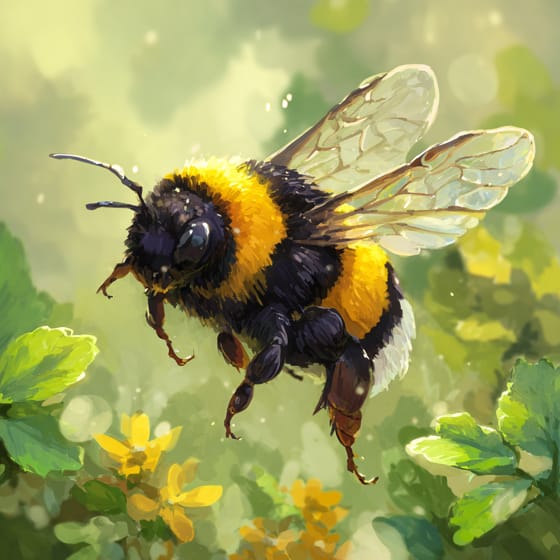
Bombus terrestris
Collects pollen and nectar
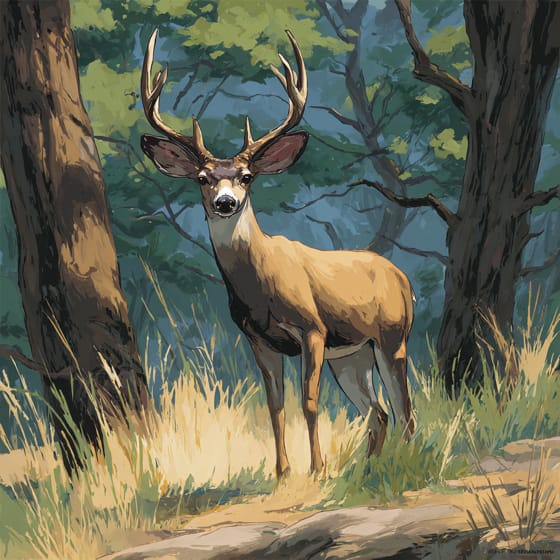
Odocoileus hemionus
Browses on leaves and stems

Marmota flaviventris
Forages on plant parts
Flowering plants are any plants that produce flowers as part of their reproductive cycle.
Summer blooming plants produce their flowers during the summer season, often providing vibrant color when many other plants have finished.
Drought-tolerant plants can survive and flourish in conditions with limited water availability.
Edible plants are those parts of a plant that are considered safe for human consumption.

Grassland habitats are terrestrial biomes dominated by grasses and herbaceous plants, supporting a variety of grazing animals.

Describes plants that are particularly attractive and beneficial to a wide range of pollinating organisms.
No aliases listed yet.
Danger
1/5 · Very low
Always look but don't touch wildflowers, as they can be delicate.
The easiest way to identify Pale agoseris is to use the Snappit nature identifier app.
10-60 cm
2-5 cm
Late spring to summer
Yes
None
Perennial
Insect
Zoom in to split clusters and explore where this object has been snapped.
Recent snaps will appear here as new observations are added.
Take the discovery with you
Snap it with Snappit to identify it, learn what makes it special, and add the discovery to your collection.








.jpg&width=800)



_001.jpg&width=800)



