




Rough-legged Hawk
Buteo lagopus
The Rough-legged Hawk is a beautiful bird of prey known for its striking colors and long wings. It loves to soar high in the sky, looking for small animals to eat. You can often see it in open fields and along the edges of forests.
Habitat: Open fields and forests
The Rough-legged Hawk has brown and white plumage with a distinctive dark belly patch and dark wrist marks on its pale underwings. Its legs are feathered all the way down to its toes, a unique feature among most hawks. It also has a white tail with a broad dark band near the tip.
Category
BirdsRarity
Common
Danger
2/5 · Low
Snaps
4
In years with many lemmings, Rough-legged Hawks can lay more eggs than usual!
They travel thousands of kilometers from the Arctic to warmer places for the winter!
This hawk is named for its fuzzy "pants" – feathers covering its legs down to its feet!
You can often spot them perched on poles or hovering over open fields in cold weather!
Rough-legged Hawks can hover perfectly still in the air because of their broad wings, helping them spot tiny prey below.
Rough-legged Hawks have special feathers covering their legs down to their toes that help them stay warm in icy climates.
Rough-legged Hawks possess exceptional eyesight that helps them spot small rodents like voles from very high altitudes.
Rough-legged Hawks can glide almost silently because of their soft wing feathers, allowing them to surprise unsuspecting prey.
These fierce hunters mostly eat small furry animals like voles and lemmings.
Lemmus lemmus
A primary food source during its Arctic breeding season.
Microtus pennsylvanicus
A key prey item in its wintering grounds and breeding areas.
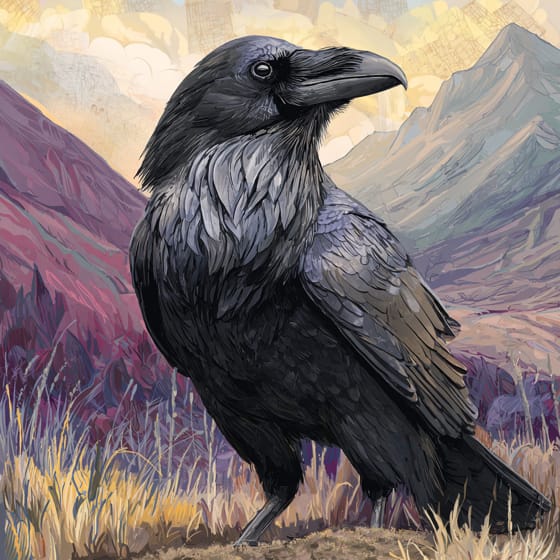
Corvus corax
Known to prey on eggs and chicks in nests.
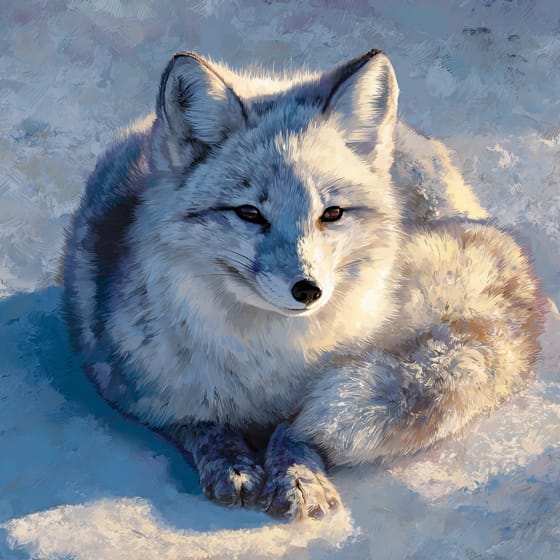
Vulpes lagopus
May raid nests for eggs or young chicks.
Feathered describes animals, primarily birds, possessing a covering of feathers.
Aerial creatures spend a significant portion of their lives airborne, utilizing flight for various activities such as hunting, migration, or nesting.
Gliding animals move through the air by launching themselves and maintaining flight with specialized body structures, without flapping wings.
Grassland habitats are terrestrial biomes dominated by grasses and herbaceous plants, supporting a variety of grazing animals.

Forest habitats are terrestrial environments dominated by dense tree cover, supporting a high diversity of plant and animal life.

This trait identifies organisms whose diet consists entirely or primarily of animal tissue.

Diurnal animals are primarily active during daylight hours, typically resting or sleeping at night.

Describes a species whose presence and role have a disproportionately large effect on its environment.

Migratory animals undertake seasonal movements from one region to another, typically in response to changes in climate or food availability.
No aliases listed yet.
Danger
2/5 · Low
Always watch birds from a distance and don't try to touch them.
The easiest way to identify Rough-legged Hawk is to use the Snappit nature identifier app.
48-60 cm
120-152 cm
0.7-1.6 kg
10-15 years
65 km/h
These fierce hunters mostly eat small furry animals like voles and lemmings.
Open fields and forests
Zoom in to split clusters and explore where this object has been snapped.

Idaho, US
You might spot Bald Eagle, Red-Tailed Hawk, and Rough-Legged Hawk.
View guide →

Iowa, US
You might spot Guelder-Rose, Prickly Cucumber, and Bluegill.
View guide →

Illinois, US
You might spot Prickly Cucumber and Golden Oyster Mushroom.
View guide →
Take the discovery with you
Snap it with Snappit to identify it, learn what makes it special, and add the discovery to your collection.




.jpg&width=800)






