





Round Bullet Gall Wasp
Disholcaspis quercusglobulus
The Round Bullet Gall Wasp is a tiny insect that makes round, ball-like galls on oak trees. These galls are special homes for the wasp's babies, making them safe and cozy.
Habitat: Forests
The Round Bullet Gall Wasp is a tiny, dark brown to black insect with a shiny, robust body and clear wings. It has a slightly humped back and is often mistaken for a small fly due to its size, but possesses a distinct wasp-like shape.
Category
InsectsRarity
Common
Danger
1/5 · Very low
Snaps
3
Baby wasps feast and grow inside their cozy plant home, totally safe from many hungry predators.
Many other tiny insects secretly live inside the wasp's gall home without an invitation!
Some years, only girl wasps are born, and they don't even need a dad to have their own babies!
The 'bullet' galls are super strong and can stay on oak trees for years after the wasp leaves!
Round Bullet Gall Wasps can trigger oak trees to grow a protective woody 'bullet' gall for their young, manipulating plant growth.
Some generations of Round Bullet Gall Wasps can reproduce without a male, creating genetic copies of themselves to multiply quickly.
The Round Bullet Gall Wasp injects specific chemicals into oak trees that forces cells to grow a specialized home for its larvae.
Larvae munch on oak tissue inside their gall homes, while adults might sip sweet nectar.
Age differences: Larvae feed on gall tissue, but adults may forage for nectar.
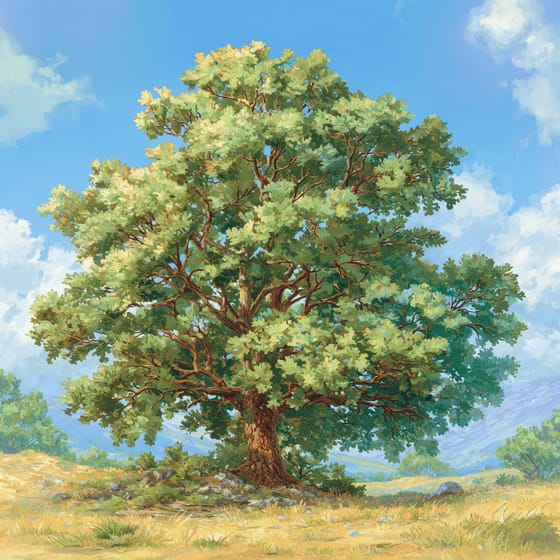
Quercus alba
for forming protective galls on its twigs and branches.
Torymus advenus
by laying its eggs inside the bullet gall of the wasp.
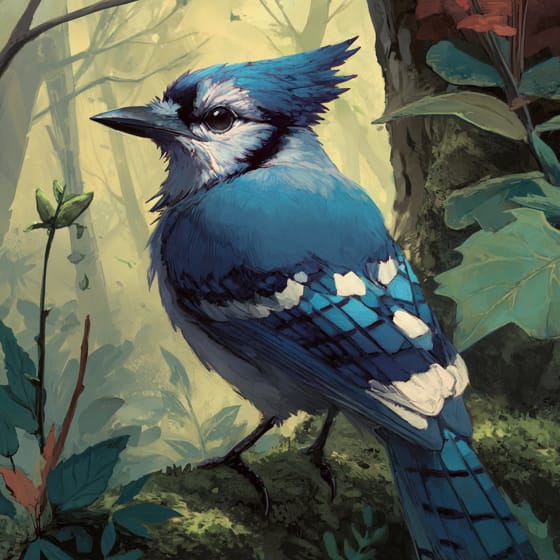
Cyanocitta cristata
as birds often peck open galls to eat the larvae inside.
Synergus lignicola
lives within the oak gall created by the bullet gall wasp.
Solitary animals live alone for most of their lives, only interacting with others for mating or parental care.
This trait characterizes organisms whose diet consists entirely or primarily of plant material.
Forest habitats are terrestrial environments dominated by dense tree cover, supporting a high diversity of plant and animal life.
Describes a species whose presence and role have a disproportionately large effect on its environment.

Pertaining to species that are significantly smaller than typical or average for their kind.

Describes organisms that transfer pollen, enabling the fertilization and reproduction of plants.
No aliases listed yet.
Danger
1/5 · Very low
Don't touch the galls without asking an adult, as they are homes for tiny creatures.
The easiest way to identify Round Bullet Gall Wasp is to use the Snappit nature identifier app.
4-8 mm
2-4 mm
14-30 days
Larvae munch on oak tissue inside their gall homes, while adults might sip sweet nectar.
Forests
6
Zoom in to split clusters and explore where this object has been snapped.

Massachusetts, US
You might spot Threeleaf Goldthread and Spotted Salamander.
View guide →

Wisconsin, US
You might spot White-Tailed Deer, American Robin, and Canada Goose.
View guide →

Virginia, US
You might spot White-Tailed Deer, Northern Cricket Frog, and Garter Snake.
View guide →
Take the discovery with you
Snap it with Snappit to identify it, learn what makes it special, and add the discovery to your collection.








.jpg&width=800)


