





Aedes Atlanticus
aedes atlanticus
Aedes Atlanticus is a tiny mosquito that loves to buzz around in warm weather! These little insects are known for their colorful patterns and can be found near water sources.
Habitat: They live in warm, wet areas near ponds and marshes.
The Aedes Atlanticus is a medium-sized, dark-bodied mosquito, typically black or dark brown. It has distinctive silvery-white scales forming bands on its legs and abdomen, which can appear as stripes. Its wings are clear and veinous, differentiating it from many other fly species.
Category
InsectsRarity
Common
Danger
2/5 · Low
Snaps
Be the first to snap!
Mosquitoes can fly right through raindrops without getting splattered.
Only female mosquitoes bite; males prefer sweet plant nectar.
Their wings beat so fast, over 500 times a second, they make a buzzing sound!
They are attracted to the carbon dioxide we breathe out, like a tiny GPS signal.
Aedes Atlanticus can sniff out animals from far away by detecting their breath and body heat to find a blood meal.
Aedes Atlanticus has super-tough eggs that can survive for months without water, waiting for rain to hatch.
Aedes Atlanticus can fly silently and quickly, allowing it to approach animals without being easily detected before biting.
Aedes Atlanticus has special saliva that prevents blood from clotting, making it easier for them to drink their meal.
Female Aedes Atlanticus feast on blood to make eggs, while males sip sweet plant nectar.
Age differences: Larvae are filter feeders in water; adults feed as described.
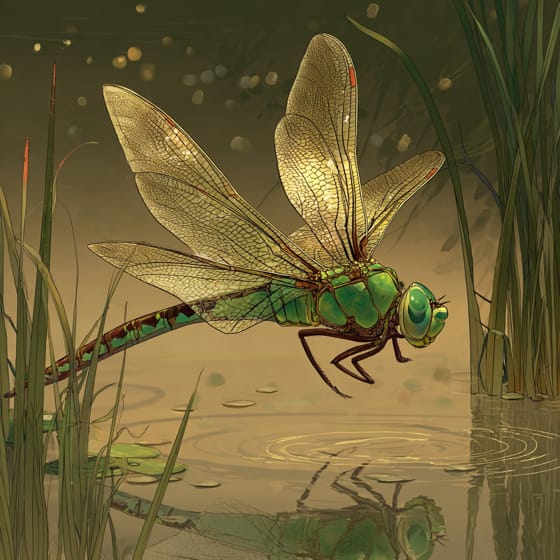
Anax junius
Dragonflies are swift aerial predators of mosquitoes.
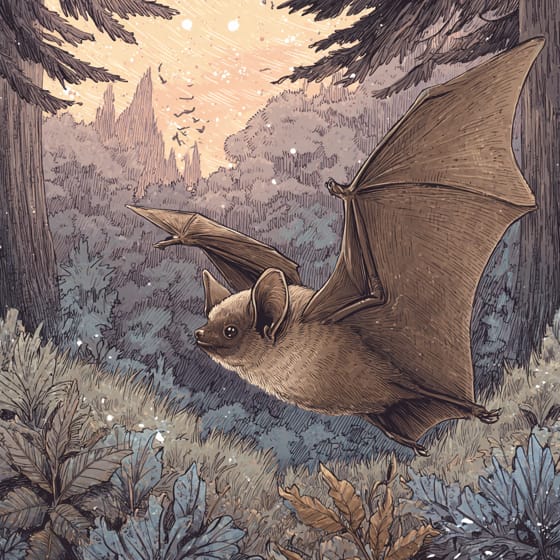
Myotis lucifugus
Bats consume many flying insects, including mosquitoes, at night.

Odocoileus virginianus
Female mosquitoes bite deer for blood meals to produce eggs.

Homo sapiens
These mosquitoes are known to aggressively bite humans for blood.
Colorful describes organisms or objects displaying a wide range of bright and distinct colors.
This trait identifies organisms whose diet consists entirely or primarily of animal tissue.
Diurnal animals are primarily active during daylight hours, typically resting or sleeping at night.
Aquatic habitats encompass environments where organisms live predominantly in water, including oceans, rivers, lakes, and wetlands.

Describes organisms that transfer pollen, enabling the fertilization and reproduction of plants.
Danger
2/5 · Low
Avoid mosquito bites by wearing long sleeves and using insect repellent.
The easiest way to identify Aedes Atlanticus is to use the Snappit nature identifier app.
5-10 mm
3-6 mm
15-45 days
2 km/h
Female Aedes Atlanticus feast on blood to make eggs, while males sip sweet plant nectar.
They live in warm, wet areas near ponds and marshes.
Ambush
Zoom in to split clusters and explore where this object has been snapped.
Recent snaps will appear here as new observations are added.
Take the discovery with you
Snap it with Snappit to identify it, learn what makes it special, and add the discovery to your collection.








.jpg&width=800)



