





Rustic Sailor Beetle
Cantharis rustica
The Rustic Sailor Beetle is a shiny black beetle that loves to explore gardens and fields. It has long legs and can often be seen crawling on flowers, making it a fun little friend to find!
Habitat: Grasslands
The Rustic Sailor Beetle has a slender body, featuring a dark greenish-bronze head and thorax, contrasting with yellowish-orange wing cases (elytra). A distinctive dark stripe runs down the middle of its back, differentiating it from similar beetles.
Category
InsectsRarity
Common
Danger
1/5 · Very low
Snaps
1
Adult Rustic Sailors actually help plants by carrying pollen from flower to flower!
Did you know its larvae are fierce hunters, eating slugs and snails much bigger than themselves?
Even though it's called a 'soldier beetle,' it won't join an army; it's named for its strong armor!
Its body feels soft, unlike many hard-shelled beetles, making it unique!
Rustic Sailor Beetle can release yucky-tasting chemicals from its body to make predators think twice about eating it.
Rustic Sailor Beetle has strong, hidden wings that help it fly quickly to find mates, new flowers, or escape danger.
Adult Rustic Sailor Beetles sip nectar and eat small insects, while their larvae are mighty slug hunters!
Age differences: Larvae are carnivorous predators of slugs and snails, while adults primarily feed on nectar, pollen, and some small insects.
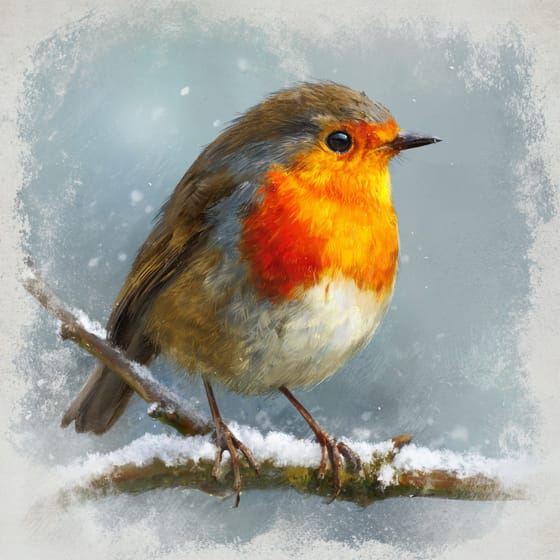
Erithacus rubecula
A common bird that preys on insects.

Taraxacum officinale
Adults visit these flowers for nectar and pollen.
Aphis gossypii
Adult beetles prey on these soft-bodied insects.
Arion vulgaris
Larvae are important predators of this garden pest.
Solitary animals live alone for most of their lives, only interacting with others for mating or parental care.
Colorful describes organisms or objects displaying a wide range of bright and distinct colors.
Grassland habitats are terrestrial biomes dominated by grasses and herbaceous plants, supporting a variety of grazing animals.
This trait identifies organisms whose diet primarily consists of insects and other small invertebrates.

Describes plants that are particularly attractive and beneficial to a wide range of pollinating organisms.

Diurnal animals are primarily active during daylight hours, typically resting or sleeping at night.

Describes organisms that transfer pollen, enabling the fertilization and reproduction of plants.
No aliases listed yet.
Danger
1/5 · Very low
Be gentle and watch where you step when exploring nature. It's best to observe beetles without touching them.
The easiest way to identify Rustic Sailor Beetle is to use the Snappit nature identifier app.
20-30 mm
10-15 mm
30-60 days
Adult Rustic Sailor Beetles sip nectar and eat small insects, while their larvae are mighty slug hunters!
Grasslands
Foraging
6
Zoom in to split clusters and explore where this object has been snapped.
Take the discovery with you
Snap it with Snappit to identify it, learn what makes it special, and add the discovery to your collection.




.jpg)



.jpg&width=800)



