





Saimiri Sciureus Sciureus
saimiri sciureus sciureus
The Saimiri Sciureus Sciureus is a small and playful monkey that loves to swing through the trees! These monkeys are known for their fun social behaviors and loud calls.
Habitat: Tropical rainforests of South America
The Saimiri Sciureus Sciureus is a small monkey with a distinctive black mask around its eyes, a white muzzle, and golden-orange fur on its back. Its belly and limbs are yellowish-white, creating a vibrant contrast with the grizzled fur on its head.
Category
MammalsRarity
Common
Danger
1/5 · Very low
Snaps
Be the first to snap!
Female squirrel monkeys often give birth to their babies at exactly the same time of year.
Squirrel monkeys sometimes rub their urine on themselves to help grip branches and mark scent!
These clever monkeys can even learn simple tasks by watching and copying other monkeys.
They often travel in giant "supergroups" with hundreds of other squirrel monkeys!
Saimiri Sciureus Sciureus can make over 25 distinct sounds because they have a complex vocal repertoire that helps them communicate many messages.
Saimiri Sciureus Sciureus can leap through trees with incredible speed because their strong limbs and long tail help them balance and move swiftly.
Saimiri Sciureus Sciureus can use its nimble fingers to expertly grasp tiny objects, which helps them find and manipulate small insects.
These omnivores enjoy a varied diet of juicy fruits, tasty insects, and even small vertebrates.
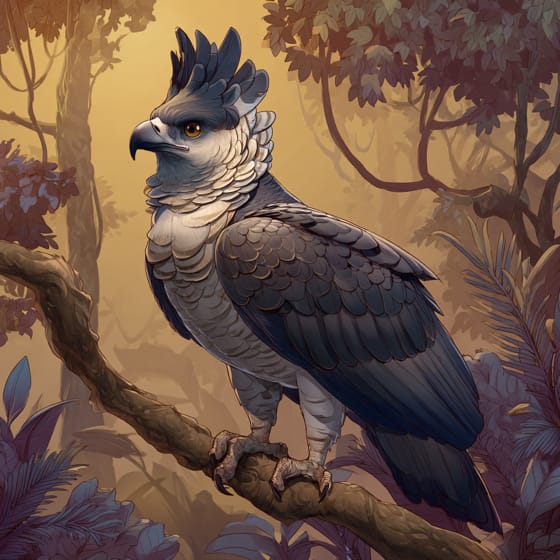
Harpia harpyja
A powerful aerial predator that hunts monkeys from above.
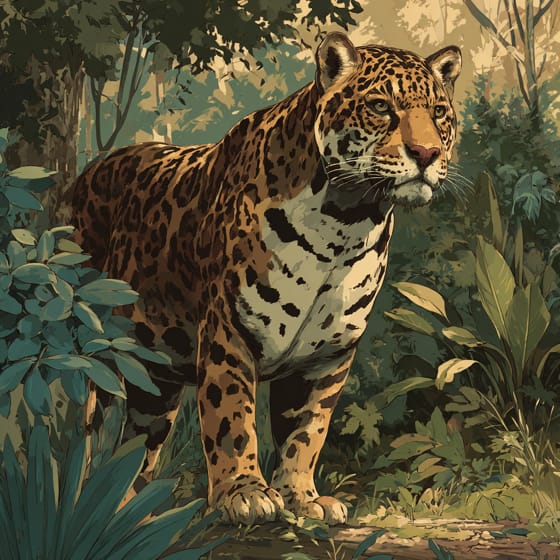
Panthera onca
An apex predator that ambushes squirrel monkeys on the forest floor.

Ficus pertusa
Squirrel monkeys consume its sugary fruits, aiding in seed dispersal.
Boa constrictor
A large snake that can ambush monkeys in trees or on the ground.
Furry describes animals possessing a dense covering of soft hair or fur.
Social animals live in organized groups, cooperating for survival benefits such as foraging, defense, and raising offspring.
This trait identifies organisms whose diet includes both plant and animal matter.
Arboreal animals live primarily in trees, utilizing them for shelter, food, and protection from predators.

Diurnal animals are primarily active during daylight hours, typically resting or sleeping at night.
Danger
1/5 · Very low
No special safety notes yet.
The easiest way to identify Saimiri Sciureus Sciureus is to use the Snappit nature identifier app.
25-35 cm
0.7-1.1 kg
15-20 years
28 km/h
These omnivores enjoy a varied diet of juicy fruits, tasty insects, and even small vertebrates.
Tropical rainforests of South America
Foraging
Zoom in to split clusters and explore where this object has been snapped.
Recent snaps will appear here as new observations are added.
Take the discovery with you
Snap it with Snappit to identify it, learn what makes it special, and add the discovery to your collection.




.jpg&width=800)


.JPG&width=800)



.jpg&width=800)
