





American Shrewmole
Neurotrichus gibbsii
The American Shrewmole is a small, furry creature that loves to dig in the ground. It has tiny eyes and a long nose, which helps it find tasty bugs and worms to eat!
Habitat: Forests and grasslands
The American Shrewmole is a tiny mammal, often slate grey to brownish-black, with thick, velvety fur. It has a distinctive long, pointed, flexible snout and incredibly small eyes, making it visually unique from other small rodents.
Category
MammalsRarity
Common
Danger
1/5 · Very low
Snaps
3
American Shrewmoles can eat half their own body weight every single day!
Their velvety fur lets them move forwards or backwards easily in tunnels.
These tiny animals can even swim well, searching for food in the water!
They are the smallest mammal found in North America!
American Shrewmole has an incredibly sensitive, flexible snout that helps it find prey underground by smell.
American Shrewmole can rapidly tunnel through soil using its broad, paddle-like front paws for digging.
American Shrewmole has extra-long whiskers that help it feel its way around dark tunnels, compensating for its tiny eyes.
This tiny mole loves to munch on small creepy crawlies like worms, insects, and slugs found underground.
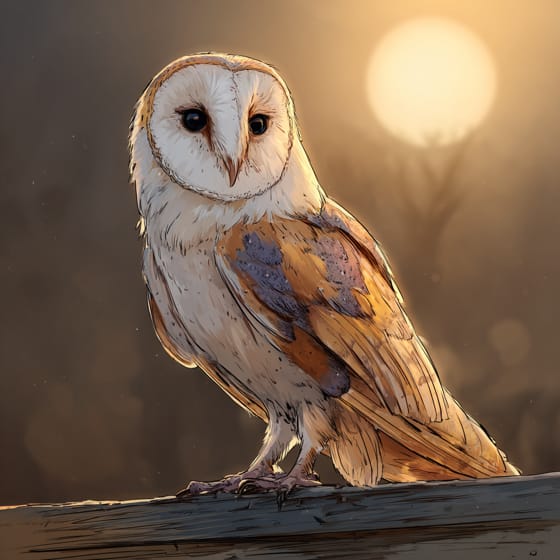
Tyto alba
hunts small mammals, including shrewmoles, at night.
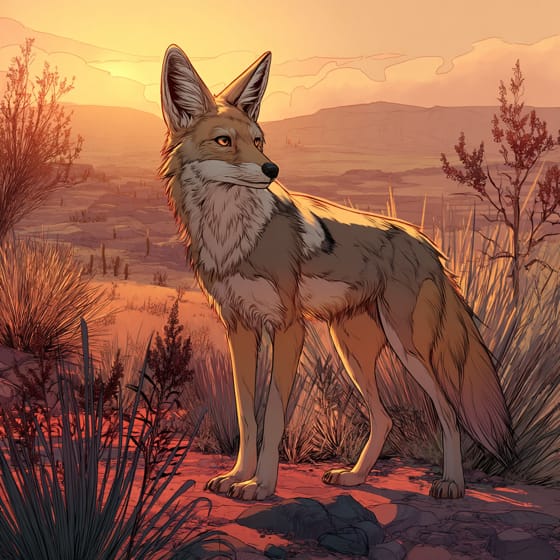
Canis latrans
preys opportunistically on small mammals found on the surface.
Lumbricus terrestris
a primary and abundant food source found underground.
Limax maximus
consumes these slow-moving invertebrates found in their habitat.
Furry describes animals possessing a dense covering of soft hair or fur.
Solitary animals live alone for most of their lives, only interacting with others for mating or parental care.
Burrowing animals dig tunnels and chambers in the ground, using these subterranean structures for shelter, hunting, or breeding.
Grassland habitats are terrestrial biomes dominated by grasses and herbaceous plants, supporting a variety of grazing animals.

This trait identifies organisms whose diet primarily consists of insects and other small invertebrates.

Forest habitats are terrestrial environments dominated by dense tree cover, supporting a high diversity of plant and animal life.

This trait identifies organisms that exhibit exceptional swiftness in movement for hunting, escape, or travel.
No aliases listed yet.
Danger
1/5 · Very low
If you see a small animal, it's best to watch from a distance and not touch it.
The easiest way to identify American Shrewmole is to use the Snappit nature identifier app.
7-10 cm
0.008-0.015 kg
1-3 years
This tiny mole loves to munch on small creepy crawlies like worms, insects, and slugs found underground.
Forests and grasslands
Foraging
1-5
Zoom in to split clusters and explore where this object has been snapped.

California, US
You might spot Redwood Sorrel, Redwood, and Button's Banana Slug.
View guide →

California, US
You might spot Checkerbloom and Fuchsiaflower Gooseberry.
View guide →

Oregon, US
You might spot Western Redcedar, Salal, and Pacific Trillium.
View guide →

Oregon, US
You might spot Savannah Sparrow, Song Sparrow, and American Robin.
View guide →

British Columbia, CA
You might spot Ochre Sea Star and Aggregating Anemone.
View guide →
Take the discovery with you
Snap it with Snappit to identify it, learn what makes it special, and add the discovery to your collection.




.jpg&width=800)


.JPG&width=800)

.jpg&width=800)
