.jpg&width=800)





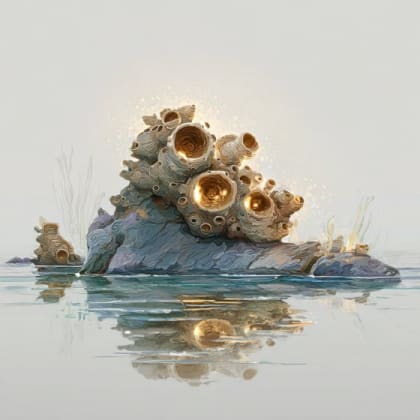
Salmon Cherry Millipede
semionellus placidus
The Salmon Cherry Millipede is a fascinating little creature with a colorful body! It loves to explore the forest floor and munch on decaying leaves.
Habitat: Moist forest floors, often hiding under logs and leaves.
The Salmon Cherry Millipede has a distinctive segmented body, often appearing in shades of bright salmon pink or reddish-orange, with darker cherry-red bands or highlights along its sides. Its smooth, cylindrical body helps it stand out from flatter, duller millipede species.
Category
InvertebrateRarity
Common
Danger
0/5 · No known danger
Snaps
Be the first to snap!
Baby Salmon Cherry Millipedes hatch with fewer legs and gain more with each shed skin!
Its bright salmon-cherry colors act as a warning: 'I might taste bad!' to hungry predators.
Millipedes are ancient; their ancestors roamed Earth over 400 million years ago!
Unlike insects, millipedes have two pairs of tiny legs on almost every body segment.
Salmon Cherry Millipedes can release a foul-smelling liquid to deter predators because of glands along their body segments that produce defensive compounds.
Salmon Cherry Millipedes have the ability to curl into a tight spiral, protecting their soft underside because of their hard exoskeleton and flexible segments.
Salmon Cherry Millipedes can dig through loose soil and leaf litter because their many legs provide powerful pushing force, helping them find shelter and food.
This millipede is a tidy eater, munching on decaying leaves and wood to recycle nutrients.
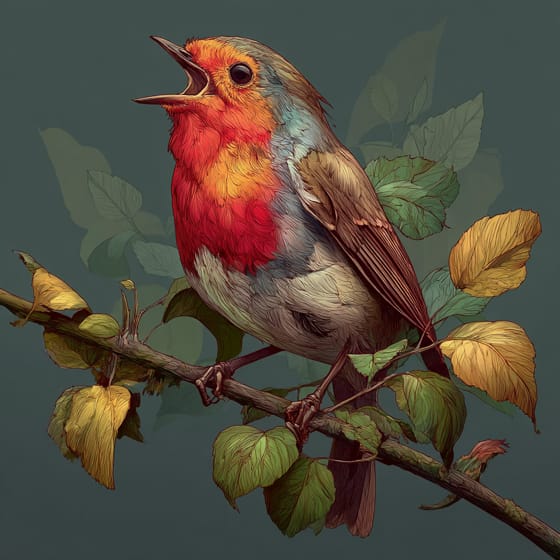
Turdus migratorius
A food source for this common woodland bird.
Sorex cinereus
Preyed upon by shrews foraging in leaf litter.
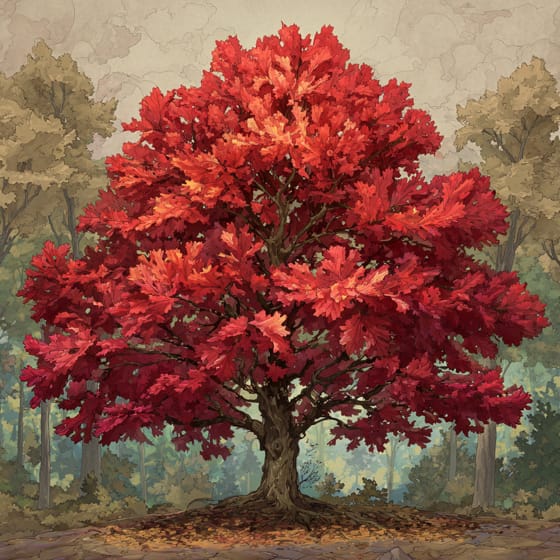
Quercus rubra
Feeds on decaying leaves and wood from these trees.
Solitary animals live alone for most of their lives, only interacting with others for mating or parental care.
Camouflaged describes organisms that possess coloring or patterns that allow them to blend into their environment.
This trait characterizes organisms whose diet consists entirely or primarily of plant material.
Describes organisms that break down dead organic material, recycling nutrients back into the ecosystem.

Nocturnal animals are primarily active during the nighttime hours, typically resting or sleeping during the day.
Danger
0/5 · No known danger
No special safety notes yet.
The easiest way to identify Salmon Cherry Millipede is to use the Snappit nature identifier app.
3.5 cm
0.3 g
5 years
This millipede is a tidy eater, munching on decaying leaves and wood to recycle nutrients.
Moist forest floors, often hiding under logs and leaves.
Foraging
100
Zoom in to split clusters and explore where this object has been snapped.
Recent snaps will appear here as new observations are added.
Take the discovery with you
Snap it with Snappit to identify it, learn what makes it special, and add the discovery to your collection.