





Salmonberry
Rubus spectabilis
Salmonberries are delicious red berries that grow on bushes in forests. They are juicy and sweet, loved by birds and animals.
Habitat: Forests
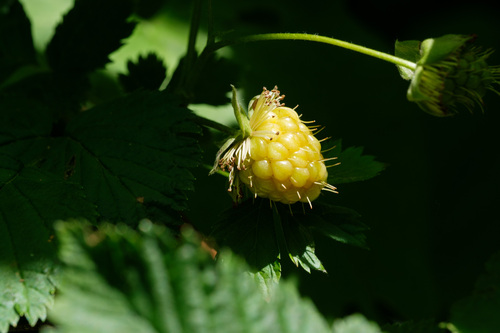
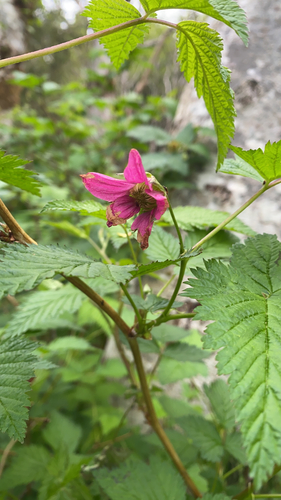
The Salmonberry is a thorny shrub with vibrant pink to reddish-purple flowers that hang downwards. Its juicy berries ripen in shades from yellow and orange to deep red, resembling large, shiny raspberries. It often forms dense thickets.
Category
PlantsRarity
Common
Danger
2/5 · Low
Snaps
30
Its vibrant berries can be sunshine yellow, fiery orange, or salmon-pink!
Native peoples traditionally ate salmonberries fresh or dried for winter!
Some say its name comes from its berries resembling salmon roe!
This plant is often one of the first berries to ripen in spring!
Salmonberry has sharp prickles on its stems that help defend it from hungry animals trying to eat its leaves.
Salmonberry can spread rapidly using underground stems called rhizomes, helping it colonize new areas quickly.
Salmonberry produces its fruit very early in the season, providing a crucial food source for wildlife when other berries are scarce.
Ursus americanus
eats the nutritious berries and leaves
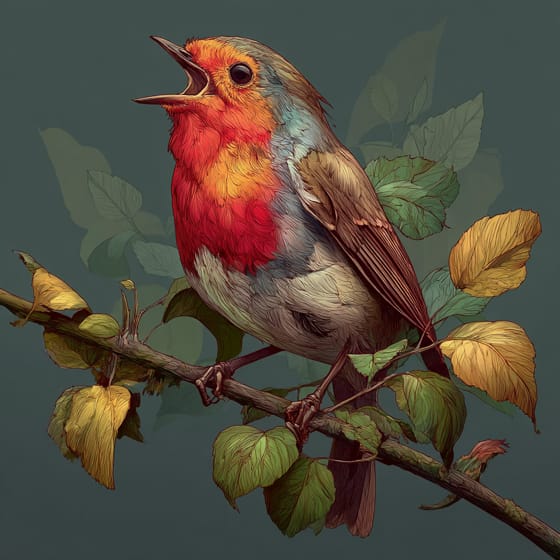
Turdus migratorius
enjoys the ripe, juicy berries
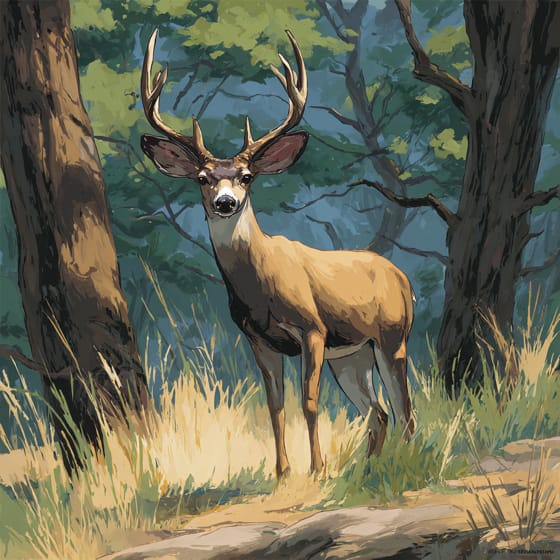
Odocoileus hemionus
browses on its leaves and young shoots
Bombus vosnesenskii
visits flowers for nectar and pollen
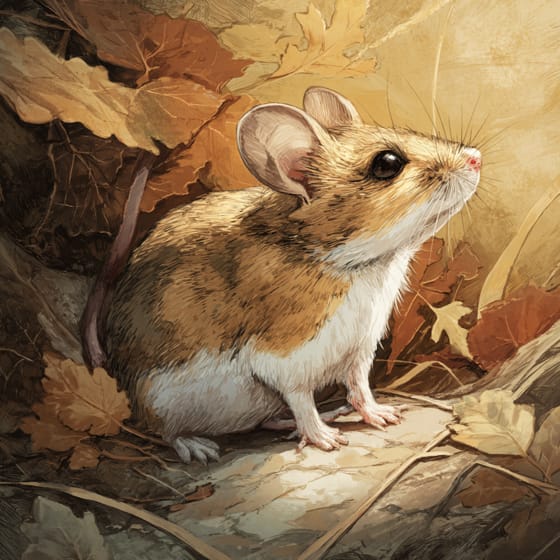
Peromyscus maniculatus
dense thickets provide shelter and nesting sites
Deciduous plants periodically shed all their leaves, typically during autumn or dry seasons.
Spring blooming plants produce their flowers during the spring season, often signifying the end of winter and the start of new growth.
Fruit-bearing plants produce fruits, which are the mature ovaries of flowering plants containing seeds.
Medicinal plants possess chemical compounds that can be used for therapeutic purposes to treat illnesses or maintain health.

Edible plants are those parts of a plant that are considered safe for human consumption.

Forest habitats are terrestrial environments dominated by dense tree cover, supporting a high diversity of plant and animal life.
This habitat trait identifies species found in temperate rainforests, characterized by significant rainfall, mild temperatures, and dense evergreen or deciduous forests in coastal regions.
Danger
2/5 · Low
Always check with an adult before eating any berries you find in the wild to make sure they are safe.
The easiest way to identify Salmonberry is to use the Snappit nature identifier app.
100-300 cm
100-200 cm
2-4 cm
Spring to early Summer
Yes
None
Perennial
Zoom in to split clusters and explore where this object has been snapped.
May 28, 2026
Hoyt ArboretumPhoto attribution
no rights reserved
License: CC0 1.0 ↗
Image may be shown cropped inside the card frame.
May 26, 2026
Sitka National Historical ParkPhoto attribution
(c) ashevillebirder, some rights reserved (CC BY)
License: CC BY 4.0 ↗
Image may be shown cropped inside the card frame.

US
You might spot Bald Eagle, Common Raven, and Salmonberry.
View guide →

Washington, US
You might spot Pacific Banana Slug and Oregon Forestsnail.
View guide →

Alaska, US
You might spot Bald Eagle, Salmonberry, and Ochre Sea Star.
View guide →

US
You might spot Variable Carpet Moth, Bald Eagle, and Red Huckleberry.
View guide →
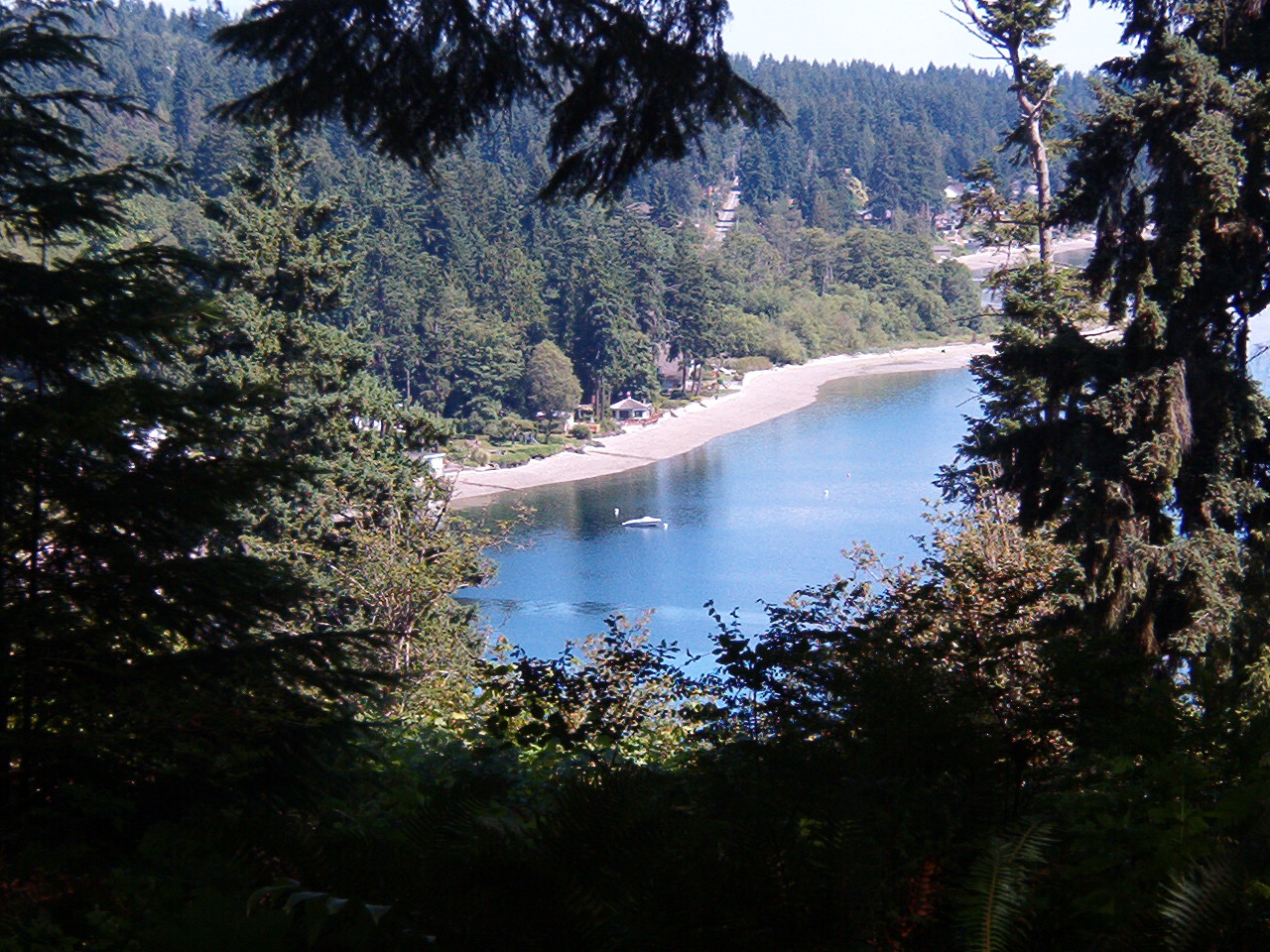
Washington, US
You might spot Surf Scoter, Horned Grebe, and Salmonberry.
View guide →

California, US
You might spot Harbor Seal, Ochre Sea Star, and Sea Thrift.
View guide →
Take the discovery with you
Snap it with Snappit to identify it, learn what makes it special, and add the discovery to your collection.







.jpg&width=800)



_001.jpg&width=800)



