





Saskatoon
Amelanchier alnifolia
Saskatoon is a lovely shrub that grows tasty berries! These berries are sweet and can be eaten fresh or used in yummy treats like pies and jams.
Habitat: Forests
The Saskatoon is a multi-stemmed shrub with oval, finely toothed leaves. It produces clusters of five-petaled white flowers in spring, followed by small, round berries that ripen from green to reddish, then deep purplish-blue in summer.
Category
PlantsRarity
Common
Danger
1/5 · Very low
Snaps
10
Indigenous peoples dried Saskatoon berries for pemmican, a super survival food!
Its tough wood was traditionally used to make strong arrows and durable tool handles!
The name "Saskatoon" comes from the Cree word "misâskwatômina" for the sweet berry!
This plant can grow in very cold places where many other fruit plants cannot survive!
Saskatoon can withstand extremely cold winter temperatures, helping it survive in harsh northern climates.
Saskatoon has sweet, nutritious berries that attract many animals, which helps it spread its seeds far and wide.
Saskatoon can grow in disturbed soils and open areas, helping it colonize new or challenging environments.
Apis mellifera
attracted to spring flowers
Ursus americanus
eats large quantities of berries
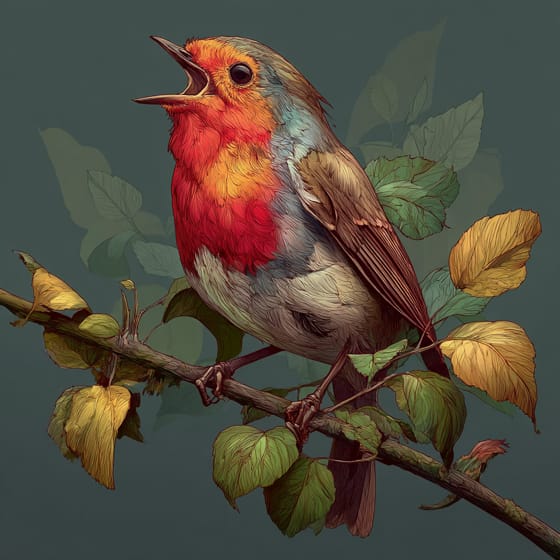
Turdus migratorius
consumes berries, aiding seed dispersal

Odocoileus virginianus
browses on leaves and twigs
Deciduous plants periodically shed all their leaves, typically during autumn or dry seasons.
Flowering plants are any plants that produce flowers as part of their reproductive cycle.
A shrub is a woody plant smaller than a tree, typically with multiple stems branching from or near the ground.
Spring blooming plants produce their flowers during the spring season, often signifying the end of winter and the start of new growth.

Fruit-bearing plants produce fruits, which are the mature ovaries of flowering plants containing seeds.

Edible plants are those parts of a plant that are considered safe for human consumption.

Describes plants that are particularly attractive and beneficial to a wide range of pollinating organisms.

Forest habitats are terrestrial environments dominated by dense tree cover, supporting a high diversity of plant and animal life.

This trait characterizes organisms with an exceptionally long lifespan compared to others of their kind.
Danger
1/5 · Very low
Always wash berries before eating them, and make sure they are safe to eat!
The easiest way to identify Saskatoon is to use the Snappit nature identifier app.
100-400 cm
100-300 cm
0.5-2 cm
Spring
Yes
None
Perennial
Zoom in to split clusters and explore where this object has been snapped.

Montana, US
You might spot Sticky Geranium, White-Tailed Deer, and Common Toadflax.
View guide →

Alaska, US
You might spot Canadian Bunchberry, Saskatoon, and Canadian Buffalo-Berry.
View guide →

British Columbia, CA
You might spot Oregon Grape, Shinyleaf Meadowsweet, and Bush Penstemon.
View guide →

Wyoming, US
You might spot Creeping Mahonia, Utah Honeysuckle, and Woodland Pinedrops.
View guide →

Montana, US
You might spot Spotted Knapweed, Great Mullein, and Nodding Onion.
View guide →

Montana, US
You might spot Thimbleberry, White-Tailed Deer, and Spreading Dogbane.
View guide →
Take the discovery with you
Snap it with Snappit to identify it, learn what makes it special, and add the discovery to your collection.






.jpg&width=800)



_001.jpg&width=800)


